 By admin
Ever wonder why chopping an onion instantly turns you into a teary-eyed mess? It’s a universal kitchen experience, but what if we told you there’s a huge misconception about what’s *really* happening to your eyes? The truth, however, is far more complex than the viral ‘onion remedies for eyes’ circulating online often suggest. While onions do provide beneficial nutrients and antioxidants when consumed as part of a balanced diet, intentionally exposing your eyes to onion fumes is absolutely not a proven treatment for dry eyes, blurry vision, cataracts, infections, or any other ocular condition.
Let’s take a closer, more gentle look at what onions genuinely can — and definitely cannot — do for your precious eyesight.
🧅 Why Do Your Eyes Rebel When You Slice An Onion?
The moment you cut into an onion, its cells rupture, releasing sulfur-containing compounds. This triggers a rapid chain of chemical reactions, creating an airborne irritant that quickly finds its way to the delicate surface of your eyes.
In response, your eyes immediately spring into action, flooding with tears.
This isn’t just an inconvenience; it’s fundamentally a protective reflex. These tears work to dilute and wash away the irritating substance. This is precisely why your eyes might water, sting, or even burn intensely as you chop onions.
While this temporary gush of tears might *feel* like your eyes are being ‘cleansed,’ it’s crucial not to mistake this natural reaction for a medical treatment or a legitimate method to improve your vision.
🌿 The Hidden Power: Onions Are Packed With Beneficial Plant Compounds (When Eaten!)
The *real* and more relevant connection between onions and your overall health stems from consuming them, not from placing them near your eyes.
Onions – particularly the vibrant red and yellow varieties – are rich in quercetin, a potent flavonoid known for its powerful antioxidant properties. Antioxidants are vital for helping to shield your cells from oxidative stress, playing a key role in your body’s natural defense systems.
Beyond quercetin, onions also deliver small to moderate amounts of other essential nutrients, including Vitamin C, alongside various beneficial sulfur compounds.
While these nutrients undeniably contribute to a nourishing diet, it’s vital to remember that consuming onions should never be promoted or perceived as a miraculous cure for eye diseases.
👁️ Can Onion Fumes Actually ‘Cleanse’ Your Eyes?
Tears naturally play a crucial role in keeping the eye’s surface moist and flushing away tiny particles. Since onion fumes provoke tear production, it’s easy to mistakenly assume that deliberate exposure could offer additional benefits.
However, simply producing more tears does not automatically equate to healthier eyes.
The key thing to remember is that onion fumes are fundamentally irritants. For many individuals, especially those with sensitive or already irritated eyes, intentional exposure can lead to severe burning, redness, and significant discomfort.
You certainly don’t need to hold an onion close to your eyes to make yourself cry; the natural act of chopping is enough!
⚠️ Urgent Warning: NEVER Put Onion Juice Directly Into Your Eyes!
This point is absolutely critical to emphasize, as some alarming online posts and ‘home remedies’ suggest using onion juice or onion-based liquids as makeshift eye drops.
Let us be unequivocally clear: Do NOT apply raw onion juice, onion water, or any homemade onion preparations directly into your eyes.
Homemade liquids are not sterile and carry a significant risk of introducing harmful contaminants. Furthermore, the potent compounds found in onions can severely irritate the delicate surface of your eye, potentially causing damage.
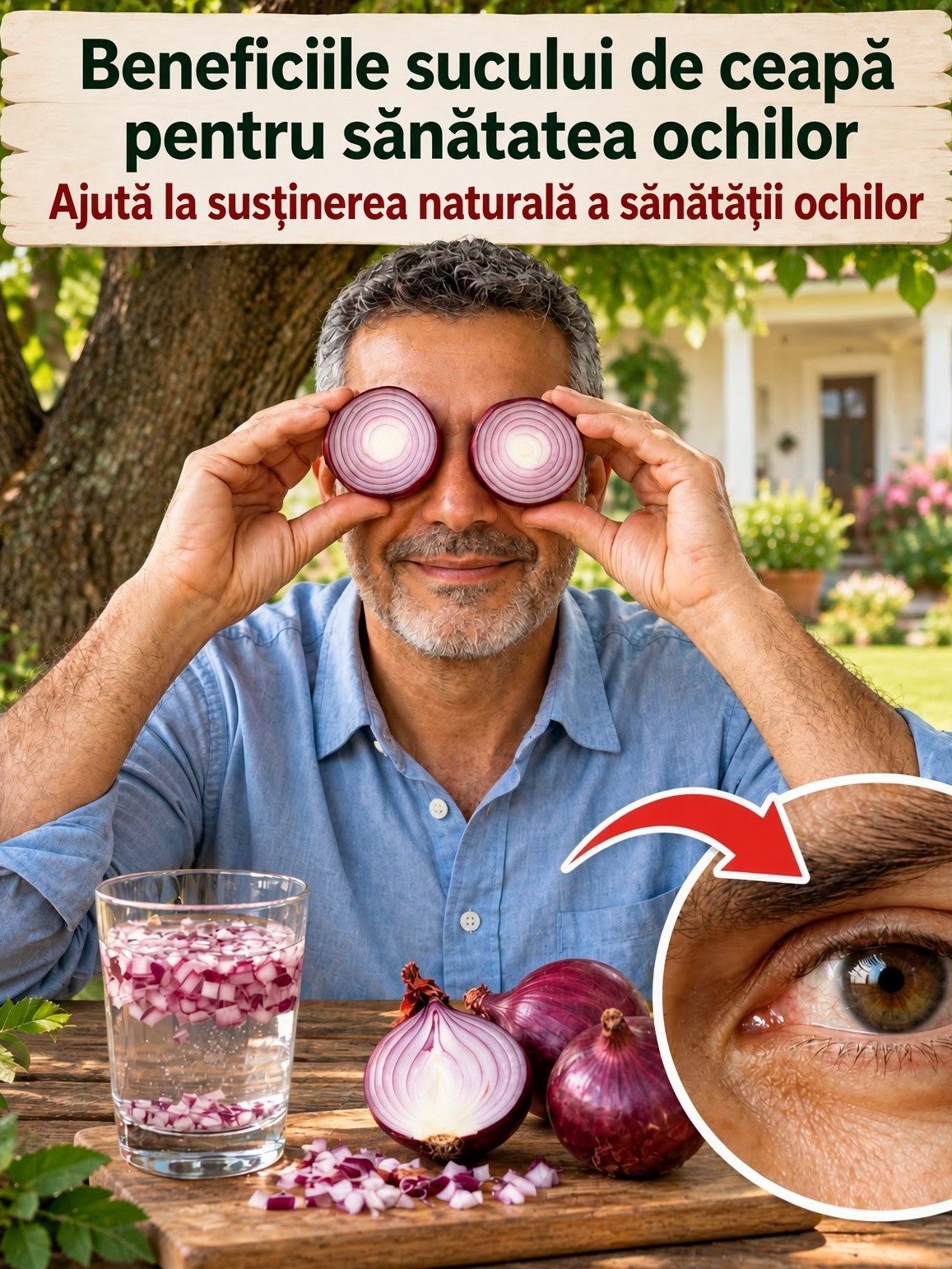
If an irritant accidentally gets into your eye, gently rinse it thoroughly with plenty of clean water. However, persistent pain, redness, swelling, light sensitivity, discharge, or any changes in vision warrant immediate evaluation by an eye care professional.
🌱 Smart Habits for Daily Eye Comfort (That Actually Work!)
Instead of deliberately exposing your eyes to irritating onion fumes, shift your focus to these simple, well-established habits that genuinely contribute to maintaining optimal eye comfort:
- Take regular breaks from screens. The 20-20-20 rule – every 20 minutes, look at something 20 feet away for 20 seconds – is an easy reminder to follow.
- Blink more frequently and consciously, especially when working on a computer or using your phone for extended periods.
- Eat a diverse, nutrient-rich diet featuring plenty of leafy greens, colorful vegetables, fruits, nuts, seeds, and other wholesome foods.
- Stay adequately hydrated throughout your day by drinking enough water.
- Wear sunglasses with appropriate UV protection whenever you are outdoors.
- Ensure you get sufficient sleep and allow your eyes regular periods of rest.
- Schedule routine eye exams, particularly if you notice any changes in your vision or have risk factors for eye conditions.
🥗 The Smart, Simple Way to Enjoy Onions in Your Diet (Without the Tears!)
There’s absolutely no need for a questionable ‘five-minute onion treatment’ to reap the benefits and enjoy this versatile vegetable.
Simply add chopped red or yellow onions to your salads, soups, omelets, sandwiches, roasted vegetables, or countless other everyday meals. Cooking onions is perfectly fine; the goal is simply to savor them as a delicious component of a varied and healthy diet.
If raw onions tend to upset your stomach, you might find cooked onions to be much easier to digest and enjoy.
What’s REALLY Going On With Your Dry or Tired Eyes?
If your eyes feel fatigued after a long day staring at screens, consciously reducing uninterrupted screen time and making an effort to blink more can certainly offer relief.
However, persistent dryness can stem from a multitude of factors, including environmental conditions, extended screen use, contact lens wear, certain medications, or even underlying eye conditions.
Persistent symptoms unequivocally warrant a proper evaluation by a professional, not repeated experimentation with unproven kitchen remedies.
When Is It Time To See an Eye Specialist?
While occasionally tired eyes after screen use are common, certain symptoms should never be casually attributed to onions, age, or typical fatigue without a thorough professional evaluation.
Seek immediate medical advice for persistent or worsening blurry vision, significant eye pain, noticeable redness, unusual discharge, new flashes of light or ‘floaters,’ severe light sensitivity, an eye injury, or any sudden changes in your vision. Sudden or severe vision loss absolutely requires urgent medical attention.
Your Burning Questions About Onions & Eyes, Answered!
Can I use onions near my eyes every day?
There is no established benefit for eye health from intentionally exposing your eyes to onion fumes, so there’s no reason to make this a daily routine. It’s more likely to cause irritation than provide benefit.
Why do onions make me cry?
Cutting an onion releases volatile sulfur-containing compounds. When these airborne irritants reach your eyes, they irritate the surface and stimulate a protective reflex that triggers tear production.
Does crying from onions improve eyesight?
Absolutely no solid scientific evidence suggests that onion-induced tears improve visual acuity or can treat any existing eye condition. It’s a myth.
Can eating onions support eye health?
Yes, onions contain antioxidants and nutrients that can contribute to an overall balanced diet. However, true eye health relies on your complete diet, lifestyle, genetics, underlying medical conditions, and appropriate ophthalmological care — not on any single food item alone.
Can onion juice treat cataracts or blurry vision?
Onion juice should *never* be used as a treatment for your eyes. Cataracts and persistent changes in vision demand evaluation by a qualified eye care specialist, not unproven home remedies.
🌟 The Final Verdict: Onions for Health, Not Eye Treatments!
Onions are undeniably a nutritious vegetable, brimming with antioxidants like quercetin, and they certainly deserve a place in any healthy eating plan. However, the tears that flow when you cut an onion are primarily your eyes’ natural defensive response to an irritant, not a magical sign that onions are repairing or ‘detoxifying’ your vision.
For genuine daily eye comfort and long-term health, a varied diet, regular screen breaks, adequate sleep, proper UV protection, consistent hydration, and routine eye check-ups are far more sensible and effective habits to prioritize.
This article is intended for general educational purposes only and should not be considered a substitute for professional medical advice, diagnosis, or treatment. Always consult with a qualified healthcare provider for any health concerns.