 By admin
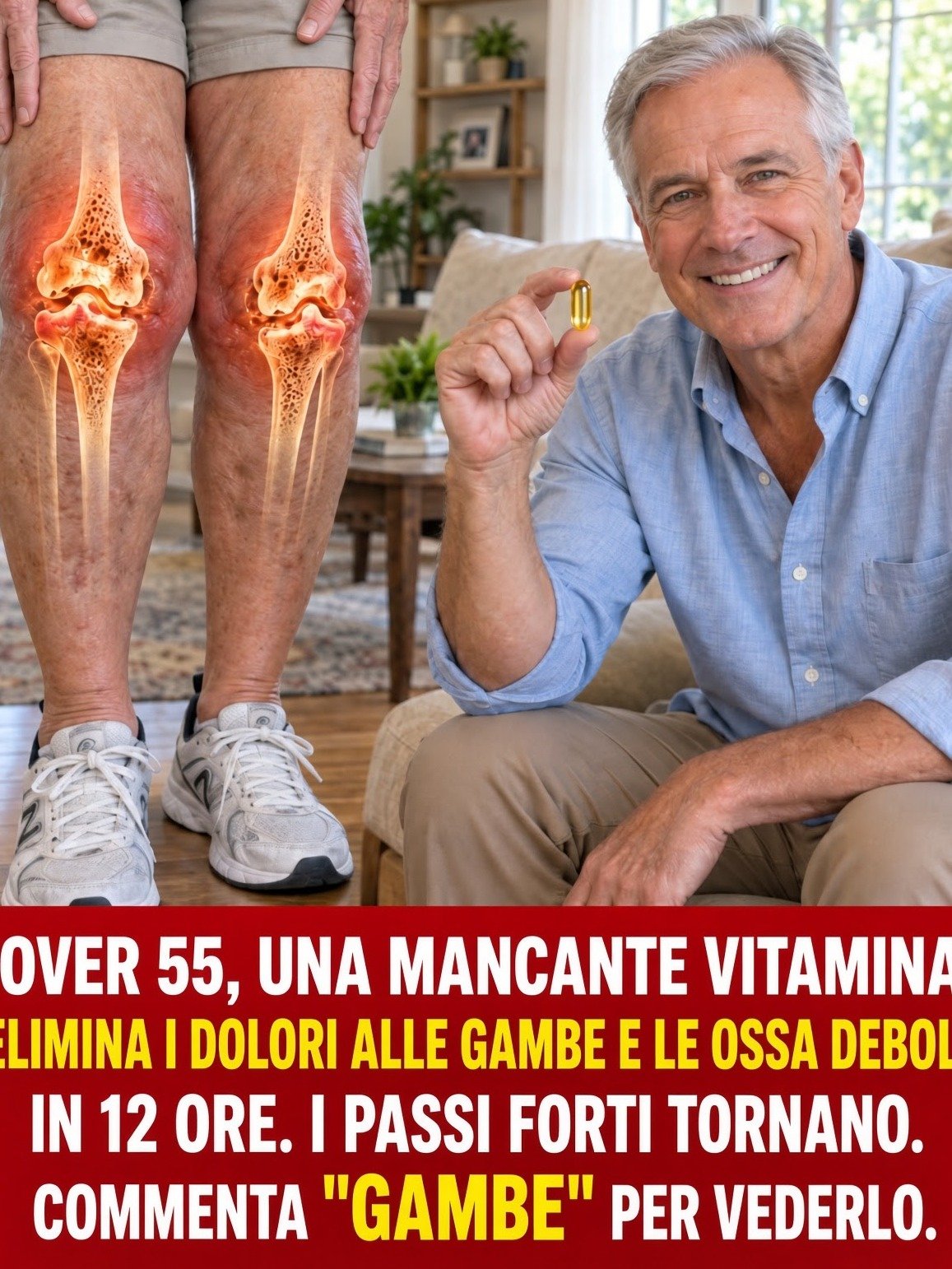
 Are you over 50 and constantly battling a mysterious ache in your legs, or finding your bones feel more fragile than ever? Most people dismiss these frustrating symptoms as ‘just aging,’ but what if they’re actually a critical warning sign your body is sending? That persistent heaviness and pain, especially when climbing stairs or taking those first morning steps, might not be a natural part of getting older. Instead, it could be a silent distress signal pointing to a crucial deficiency that calcium alone simply can’t fix. The surprising culprit? A hidden lack of Vitamin D, which fundamentally alters how your body processes calcium and maintains muscle strength. And there’s one incredibly simple habit that could make a world of difference, far more than most people realize…
Why Aching Legs and Brittle Bones After 50 Demand Your Immediate Attention
This isn’t your typical post-workout muscle soreness. When your Vitamin D levels dip too low, the discomfort can manifest as a deep, dull, and widespread ache, often concentrated in the thighs, hips, lower back, and shins. Many individuals describe their legs feeling heavy or weak, while others notice a significant decrease in stability when navigating stairs or uneven surfaces.
Here’s a crucial insight many overlook: Vitamin D isn’t solely dedicated to bone health. It plays an equally vital role in ensuring your muscles function optimally. Extensive research highlights a direct link between insufficient Vitamin D levels, muscle weakness, bone pain, and an elevated risk of falls among older adults.
As you cross the 50-year mark, this issue becomes increasingly prevalent due to several physiological changes. Your skin’s ability to produce Vitamin D from sun exposure diminishes, many people spend more time indoors, and your kidneys become less efficient at converting Vitamin D into its active form. This combination means a deficiency can stealthily develop over time, often without any dramatic, obvious warning signs.
The Common Misconception Keeping Your Bone Problems Alive
Many adults mistakenly believe that if they experience bone pain, the straightforward solution is simply to increase their calcium intake. However, calcium is only one piece of the puzzle. Vitamin D acts as the essential facilitator, enabling your intestines to absorb calcium efficiently and directing it to where it’s most needed – your bones.
Without an adequate supply of Vitamin D, your body struggles to absorb enough calcium from the foods you eat and any supplements you might take. Over time, your body may even resort to leaching calcium directly from your bones to maintain stable blood calcium levels. This process can significantly weaken your skeletal structure and diminish muscle responsiveness.
Think of calcium as the building material, and Vitamin D as the architect telling your body exactly where to store it.
Key Warning Signs Your Body Might Be Silently Screaming for Vitamin D
A Vitamin D deficiency doesn’t always announce itself with glaring symptoms. For many, the signs are subtle, vague, and easily dismissed. But when several of these indicators appear together, it’s definitely worth paying closer attention.
- Deep, persistent aching in your legs, hips, pelvis, or lower back.
- Noticeable muscle weakness when attempting to rise from a seated position.
- A sensation of heaviness or fatigue in your thighs or calves.
- Feeling unsteady while walking or ascending stairs.
- Generalized bone pain or a pervasive “deep ache” throughout your body.
- Increasing frequency of near-falls or a growing fear of falling.
While these symptoms alone aren’t definitive proof of a Vitamin D deficiency, they provide compelling reasons to consult your doctor and request a blood test, especially if you’re over 50, have limited sun exposure, or your diet lacks Vitamin D-rich foods.
What Science Reveals About Vitamin D and Your Bone Health
Leading medical authorities, including the Mayo Clinic, NIH, and prominent academic centers, consistently emphasize Vitamin D’s critical role in bone mineralization and robust muscle function. Studies further demonstrate that a severe deficiency can lead to osteomalacia, a painful condition where bones become soft.
That said, the science is nuanced. Large-scale studies involving adults who already maintained normal Vitamin D levels did not show significant benefits from taking supplemental Vitamin D “just in case.” In simpler terms, more isn’t always better when your levels are already adequate.
This is precisely why testing is so crucial. If your levels are low, correcting them can offer substantial relief and improvement. However, if your levels are already sufficient, mega-doses are unlikely to provide significant additional benefits and could even introduce new risks.
Why Vitamin D Works Best as a Team Player
Here’s a fascinating aspect: Vitamin D doesn’t operate in isolation. It’s an integral part of a broader nutritional network that collectively supports optimal bone and muscle health.
| Nutritional Support | What It Does | Common Food Sources |
|---|---|---|
| Vitamin D | Facilitates calcium absorption and supports muscle function | Fatty fish, fortified milk, egg yolks |
| Calcium | Builds and maintains bone structure | Dairy products, fortified plant-based drinks, tofu, leafy greens |
| Magnesium | Helps activate Vitamin D and supports muscle health | Nuts, seeds, legumes, whole grains |
| Vitamin K | Guides calcium to the bones and away from soft tissues | Leafy green vegetables, fermented foods |
Research consistently suggests that true bone health stems from a holistic approach, rather than relying on a single supplement. This is precisely why a combination of balanced nutrition, regular physical activity, and a well-considered supplementation strategy often yields far superior results compared to just popping calcium pills.
The Single Most Crucial Habit for Maximizing Your Vitamin D Absorption
Vitamin D is what’s known as a fat-soluble vitamin. This means your body absorbs it far more effectively when it’s consumed alongside a meal that contains some form of fat. This seemingly minor detail is one of the simplest, yet most frequently overlooked, aspects of Vitamin D supplementation.
If you’re taking your Vitamin D with just black coffee and dry toast, its absorption might be significantly hampered. However, if you pair it with foods like eggs, yogurt, avocado, olive oil, fatty fish, or any other fat-containing meal, your body will have a much greater chance of utilizing it efficiently and effectively.
This small pairing habit often makes all the difference between simply “taking a supplement” and actually absorbing and benefiting from it.
Foods and Habits That Build Stronger Bones and Steadier Legs
While supplements might be necessary, food should always form the foundation of your nutritional strategy. The goal isn’t perfection, but rather consistent, mindful choices.
- Aim to consume fatty fish such as salmon, sardines, trout, or mackerel a couple of times each week.
- Choose fortified milk or fortified plant-based milk alternatives to accompany your meals.
- Adding eggs to your breakfast provides a small yet beneficial boost of Vitamin D.
- Incorporate calcium-rich foods like yogurt, tofu, and a variety of leafy green vegetables.
- Boost your magnesium intake with nuts, seeds, legumes, and whole grains.
- Safe sun exposure, when appropriate for your skin type and climate, is also advisable for natural Vitamin D synthesis.
And never forget this vital truth: movement is medicine. Even short walks, simple sit-to-stand exercises, and light resistance training help keep your muscles strong and send crucial signals to your bones that they are still needed and valued.
Your Practical, Step-by-Step Plan to Reclaim Bone and Leg Strength This Week
If aching legs and fragile bones have become an unwelcome part of your daily life, don’t rely on guesswork. Embrace a straightforward, actionable approach.
Step 1: Get the Right Blood Test. Ask your doctor to prescribe a 25-hydroxyvitamin D test, which is the gold standard for accurately checking your Vitamin D levels. This is especially important if you’re experiencing bone pain, muscle weakness, or have a history of falls.
Step 2: Honestly Evaluate Your Diet. Take a moment to consider how often you truly consume fatty fish, fortified dairy or plant-based milks, eggs, and other calcium-rich foods. Many adults find their intake is significantly lower than they initially assumed.
Step 3: Supplement Smartly. If your doctor recommends Vitamin D supplementation, always take it with a fat-containing meal. Resist the urge to self-prescribe mega-doses; more is not automatically better, and appropriate dosing is key.
Step 4: Keep Moving Gently. Even just 10-15 minutes of walking, climbing stairs, or performing simple leg-strengthening exercises can make a difference. Your bones and muscles respond positively to regular, gentle use.
Step 5: Re-test If Necessary. If a deficiency is identified, follow your doctor’s guidance and ask when you should have your levels re-checked. Improvement typically takes time, often weeks or months, not just a few days.
When Your Symptoms Demand Immediate Medical Attention
While most aches and pains aren’t emergencies, certain symptoms warrant immediate medical evaluation. Seek prompt medical care if you experience sudden weakness, unexplained falls, severe pain, significant difficulty walking, or pain that consistently wakes you from sleep. These could indicate a condition entirely separate from Vitamin D deficiency.
Furthermore, exercise caution if you have a history of kidney disease, kidney stones, high calcium levels, or if you are currently taking medications that impact bone health. In these specific circumstances, any decisions regarding supplementation must be made in close consultation with your healthcare provider.
Why This Critical Deficiency Is So Often Overlooked
Vitamin D deficiency is frequently underestimated because its symptoms often mimic common signs of aging. Fatigue, a general slowdown in movement, and mild aches can easily be dismissed as just “getting older.” However, when your body lacks a fundamental nutrient, the symptoms tend to be subtle and persistent rather than dramatic and acute.
This is precisely why so many adults continue to buy calcium supplements, hoping for relief, while the true underlying problem remains unaddressed. The body requires the correct signal to utilize nutrients effectively, not just the raw substance itself.
The hidden truth is that effective bone support isn’t just about what you ingest, but critically about what your body is actually capable of absorbing and putting to good use.
Final Thoughts: Don’t Let ‘Aging’ Be Your Excuse
After the age of 50, persistent leg pain and fragile bones shouldn’t simply be brushed off as an inevitable consequence of “just getting older.” For a significant number of adults, the root cause is an underlying Vitamin D deficiency that severely impacts calcium absorption, bone integrity, and overall muscle function. The encouraging news is that once identified, this deficiency is often highly manageable. Targeted testing, smart dietary choices, safe sun exposure, regular physical activity, and the crucial habit of taking Vitamin D with fat-containing meals can collectively work to strengthen your bones and enhance the stability of your legs.
If you’re experiencing an unusual heaviness or discomfort, pay close attention to the subtle messages your body is sending. A small, proactive intervention now could potentially avert more significant health challenges down the road.
Your Most Pressing Questions About Vitamin D Answered
Can Vitamin D deficiency cause leg and bone pain after 50?
Absolutely. Low Vitamin D levels are strongly linked to bone pain, muscle weakness, and an increased risk of falls, especially when the deficiency is significant. A blood test is the most accurate way to confirm if Vitamin D deficiency is contributing to your symptoms.
Why doesn’t calcium alone solve fragile bone issues?
Calcium requires Vitamin D to be properly absorbed from your gut and effectively utilized by your body. Without sufficient Vitamin D, calcium may not reach your bones efficiently, which is why relying solely on calcium supplementation often fails to address the underlying problem.
How long does it take to feel better after correcting a Vitamin D deficiency?
The timeline varies considerably from person to person. Some individuals may notice improvements within a few weeks, while others might require more time. The speed of recovery depends on the initial severity of the deficiency, the prescribed dosage, your overall health status, and whether other conditions are contributing to your symptoms.
Disclaimer: This article is provided for informational purposes only and is not intended as a substitute for professional medical advice, diagnosis, or treatment. Always consult with a qualified healthcare professional before starting or altering any supplement regimen, particularly if you have kidney disease, a history of kidney stones, elevated calcium levels, or are taking prescription medications.