 By admin
 The breakfast plate that changes everything
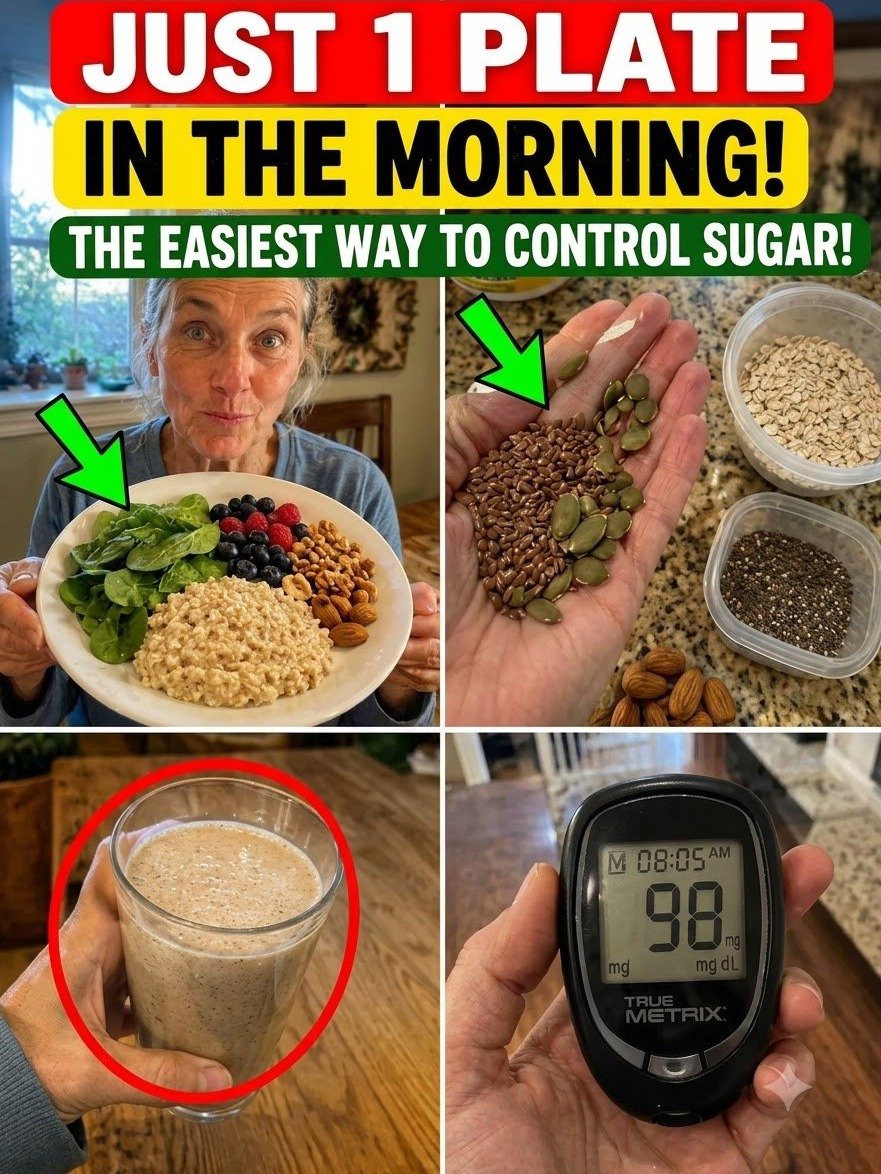
What if the elusive secret to perfectly stable blood sugar wasn’t found in a complex medical regimen or a restrictive diet, but on a single, satisfying plate you eat every morning? It might sound too good to be true, but a breakfast thoughtfully assembled with oats, spinach, berries, seeds, nuts, and a high-quality protein source does much more than just quiet your stomach. It functions as a biological shield, curbing the rapid surge of glucose before it can overwhelm your bloodstream, acting like a strategically placed speed bump that tames a reckless driver.
The core promise here is both simple and life-changing: a specific, intentional morning meal can fundamentally recalibrate your blood sugar balance. This isn’t about extreme deprivation or chasing a miracle cure. Instead, it’s about using a smart, calculated plate to send a signal to your body to stop the chaotic, uncontrolled release of glucose—preventing your system from acting like a glitchy vending machine that won’t stop dispensing sugar.
Here is the surprising reality: the true fight for metabolic control isn’t won at 3:00 PM when the afternoon slump hits. It actually begins with the very first bite you take in the morning. Your early food choices trigger a chain reaction that can entirely redefine how your body manages glucose for the next twenty-four hours.
Why your blood sugar spikes before you even eat
Even while you sleep, your body is hard at work; it never truly powers down. Your liver acts like an emergency backup generator, quietly maintaining a reserve of glucose throughout the night. As the sun rises, stress hormones naturally activate, telling that reserve tank to release its stores to prepare you for the day ahead.
If your insulin sensitivity isn’t at its peak, that newly released glucose can linger in your bloodstream instead of being efficiently shuttled into your cells. This is exactly why so many people wake up, test their glucose levels, and are met with frustratingly high numbers, leading to the common confusion: “I haven’t even had breakfast yet—why is this happening?”
This scenario often pushes people into the classic “breakfast trap,” where a meal packed with fast-acting carbs essentially throws gasoline on an already burning metabolic fire. However, the right breakfast plate achieves the opposite, using a mechanism that is far more sophisticated than most realize.
The morning lock that slows the sugar tide
Think of fiber as your gatekeeper, protein as your protective barrier, and healthy fats as the final, secure latch. When these three elements are expertly combined, they turn your breakfast from a potential sugar spike into a controlled, slow-release valve that dictates the flow of nutrients into your system.
Picture your digestive system like a packed subway station with one tiny exit. Refined foods—like white bread, sugary cereal, or pastries—try to crowd through that exit at once, causing a massive glucose surge. In contrast, a meal rich in oats, seeds, eggs, and nuts forces the traffic into an orderly, single-file line. Glucose still enters your system, but it arrives gently and steadily, rather than slamming into your bloodstream like a door being kicked off its hinges.
While that explains the visible impact, there is a deeper, more profound process happening behind the scenes. This strategic meal isn’t just regulating absorption; it is also drastically reducing the workload on your pancreas. This internal shift is exactly what makes your mornings feel significantly clearer and more energized.
Why the body stops craving a sugar fix
When your blood sugar is constantly yo-yoing—soaring high and then crashing low—your brain sends out desperate, urgent signals for more food, more caffeine, or anything that provides a quick rush. This isn’t a failure of willpower; it’s your body trapped in a relentless loop, much like a smoke alarm that won’t stop blaring because the battery is dying and the kitchen is filled with steam.
A breakfast designed for metabolic stability effectively silences this alarm. By enjoying a meal with diverse textures—the creaminess of yogurt, the chewiness of oats, the crunch of seeds, or the savory bite of eggs—your body receives a calm, clear message: sustained, reliable fuel is on the way, not an overwhelming rush.
This fundamental change in how your body handles fuel transforms your day. The dreaded mid-morning fatigue begins to vanish, and the panic of “I need something sweet right now” loses its grip. The secret to this effectiveness lies in an often-overlooked organ that most people ignore until metabolic issues have already taken root.
The liver, the pancreas, and the metabolic blame game
Think of your liver as your body’s primary glucose warehouse, storing and releasing sugar whenever needed. Your pancreas is the warehouse foreman, responsible for directing that sugar to the right place. When the warehouse keeps shipping glucose but the foreman can’t keep up, your bloodstream becomes a chaotic traffic jam.
This is why a breakfast built on fiber and protein is vastly superior to a sugary coffee or a plate of refined carbs. It doesn’t just “support” your health; it forces a slower glucose release, reduces the metabolic load, and gives your hardworking pancreas the space it needs to function at its best.
It’s no surprise that the wellness industry pushes complex, expensive plans while ignoring these simple solutions. You’ll rarely see a multi-million dollar ad campaign for a balanced bowl of oats and eggs, mostly because there is very little profit in telling people that the most effective cure is already sitting in their own pantry.
Why women notice the shift in a different way
For many women, the first sign of better blood sugar isn’t found on a glucose meter; it’s a total shift in mood. It’s the sudden disappearance of that shaky, irritable, “don’t-talk-to-me-until-I’ve-had-my-coffee” attitude. It’s also the relief from that hollow, empty feeling in your stomach just an hour after eating, as if your meal provided zero actual sustenance.
A breakfast balanced with fiber, protein, and healthy fats delivers this change quickly. Your body stops acting like a starving engine desperate for fuel and starts operating like one with a full, steady tank—leading to calmer energy, fewer cravings, and the end of that buzzing, anxious feeling in your gut.
Imagine a morning where your breakfast actually sustains you. No more frantic search for snacks in the glovebox. No more debilitating energy crash that makes your afternoon a battle for survival. However, there is one more layer to understand, explaining why some people still struggle even when they think they’re eating “healthy.”
Why men feel it in the fuel tank first
Men often experience this dietary shift as a noticeable, sustained boost in stamina. This isn’t about hitting new personal bests in the gym, but rather the clean, dependable energy required to work productively, drive with focus, and navigate a busy morning without feeling like your internal battery has been drained by 10:00 AM.
This enhanced stamina is a direct result of a flatter glucose curve, which prevents your cells from signaling distress. Your muscles receive consistent, usable fuel rather than being subjected to a volatile sugar roller coaster, and your brain stops begging for emergency sugar hits.
Think of it as trading a sputtering, unreliable lawnmower engine for a high-performance one that starts on the first pull. It’s the same machine, but the morning performance is entirely different. And there is one final, critical piece of the puzzle that many people sabotage without knowing it.
The breakfast habit that ruins the whole effect
Any progress you make with a healthy breakfast can be completely undone by washing it down with a sweetened tea, a coffee loaded with syrups, or a plate heavy on refined carbs. It’s like trying to mop a floor while the faucet is still running at full pressure.
That first sugary sip or bite sends a shock through your system, spiking your appetite and conditioning your body to crave more sugar before the day has even started. When you construct your meal in the correct order—prioritizing fiber, then protein, then healthy fats, and finally complex carbs—the food behaves differently in your gut, and your blood sugar curve stops looking like a jagged mountain range.
The result is remarkably simple: a calmer morning, a naturally satisfied appetite, and a body that stops being held hostage by the whims of sugar.
The part that quietly wrecks the whole process
A common error that quietly undermines all the benefits of a balanced breakfast is pairing your food with a sugary coffee or tea. These seemingly harmless drinks are often sweetened to the point of being a dessert. This one habit is enough to plunge your metabolism back into total chaos.
Here is the final, crucial twist: the most important factor isn’t just the food—it’s the order in which you eat it and what you do within the first 30 seconds of waking up. This minor detail determines whether your breakfast truly serves your health or if its positive impact is completely canceled out by the wrong start to your day.
This article is for informational purposes only and does not replace professional medical advice. Please consult your healthcare provider for personalized guidance.