 By admin
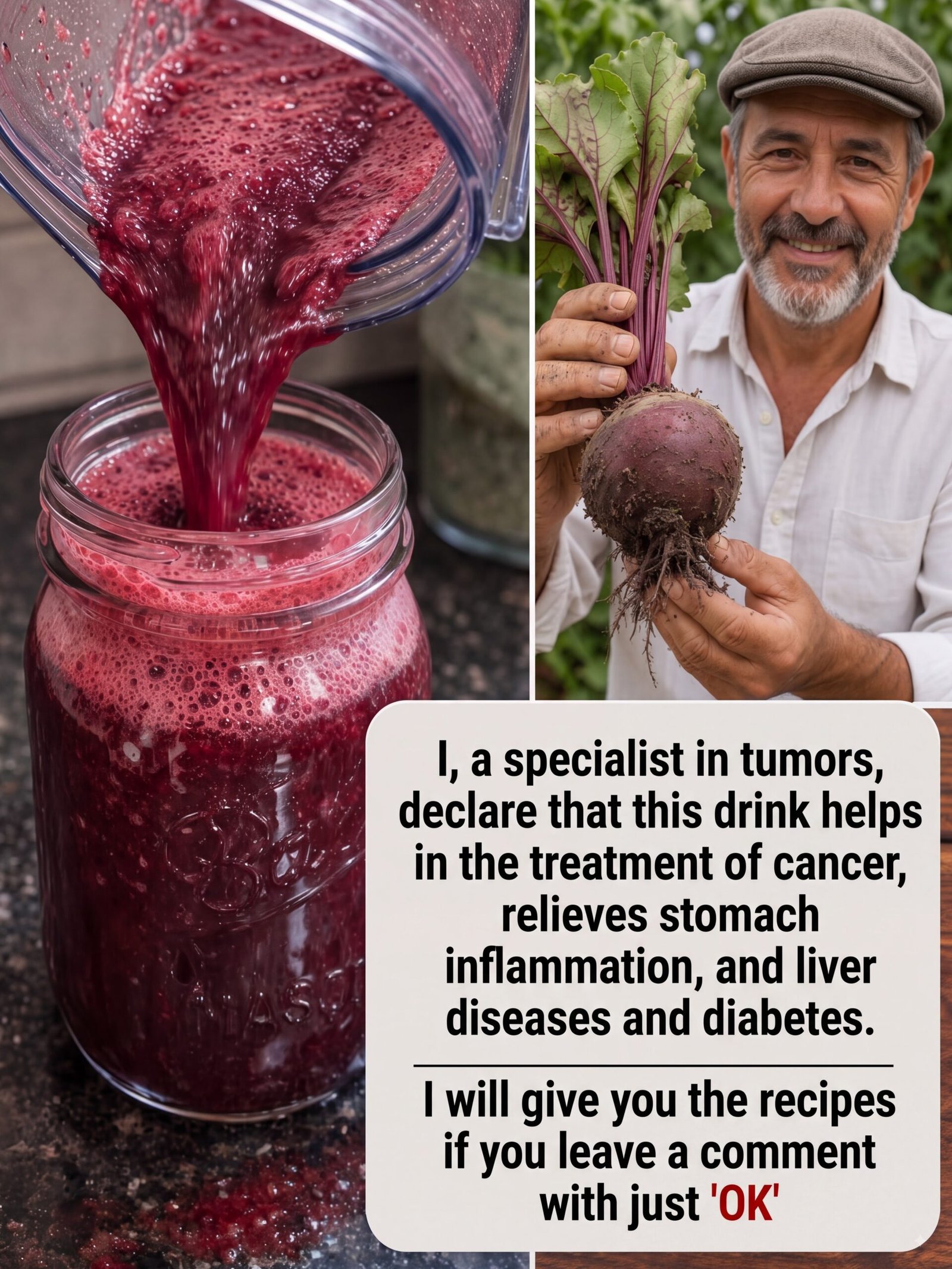
 What if a simple, vibrant red drink could secretly supercharge your metabolic health and boost your overall well-being? It’s not a fantasy; it’s the humble beetroot, and its juice is quickly becoming recognized as a powerhouse addition to any healthy lifestyle. Bursting with natural antioxidants, essential vitamins, vital minerals, beneficial fiber, and unique nitrates, beetroot offers a delicious and convenient way to elevate your daily nutritional intake when blended into a refreshing homemade beverage.
🌿 Unpacking Beetroot’s Nutritional Powerhouse: What Makes It So Special?
Beetroot is more than just a colorful vegetable; it’s a treasure trove of diverse nutrients and potent plant compounds, all working in harmony to contribute to your overall wellness and vitality.
| Nutrient or Compound | Potential Role |
|---|---|
| Betalains | Powerful antioxidant compounds that actively help shield cells from harmful oxidative stress |
| Vitamin C | Crucial for bolstering normal immune system function |
| Folate (Vitamin B9) | Essential for the normal and healthy formation of cells throughout the body |
| Potassium | Plays a key role in maintaining fluid balance and supporting healthy blood pressure levels |
| Iron | Vital for supporting the normal production of red blood cells |
| Fiber | Fundamental for promoting optimal digestive health and regularity |
| Natural nitrates | Can significantly contribute to maintaining healthy and efficient blood flow |
Among its many remarkable compounds, betanin stands out. This particular betalain is not only a potent antioxidant but also the vibrant pigment responsible for beetroot’s iconic deep red hue.
Beyond its striking color, beetroot is also naturally abundant in nitrates. Your body possesses the incredible ability to transform these dietary nitrates into nitric oxide, a crucial compound that plays a pivotal role in relaxing blood vessels and optimizing overall circulation.
🌱 5 Game-Changing Benefits of Beetroot Juice You Need to Know!
Beetroot delivers a powerful punch of antioxidants, folate, potassium, and other vital nutrients. These components are essential building blocks for a balanced diet, actively supporting normal metabolic function and contributing to your overall vitality.
Instead of viewing beetroot juice as a miraculous cure-all, consider it a wonderfully convenient and effective strategy to effortlessly integrate more nutrient-dense plant foods into your daily routine, enhancing your diet with ease.
2. Actively Supports Overall Liver Health
The rich array of antioxidants found naturally in beetroot may offer significant assistance in safeguarding your cells from the damaging effects of oxidative stress.
It’s important to remember that your liver is a highly efficient organ, perfectly capable of performing the body’s natural detoxification processes on its own. Therefore, beetroot juice should be celebrated as a truly nutritious food that supports well-being, not mistakenly labeled as a magical liver “cleanse” or a standalone detox treatment.
3. Delivers Essential Nutrients for Optimal Digestive Health
Whole beetroot is an excellent source of dietary fiber, a crucial component that actively promotes normal bowel function and contributes significantly to robust digestive health.
However, it’s vital to remember that the process of juicing typically removes a large portion of this valuable fiber. For those aiming to maximize fiber intake, blending whole beetroot without straining is a superior method, ensuring more of its original, beneficial fiber is retained in your drink.
4. A Powerful Ally for Supporting Healthy Blood Flow
The naturally occurring nitrates within beetroot represent one of its most fascinating and nutritionally significant features, setting it apart as a unique superfood.
These dietary nitrates play a crucial role by contributing to the body’s production of nitric oxide, which is fundamental for healthy blood-vessel function and efficient circulation. Extensive research has also delved into the powerful connection between beetroot and nitrate intake, exploring its potential impact on both exercise performance and the maintenance of healthy blood pressure levels.
It is absolutely critical to understand that beetroot juice should never be considered a substitute for any medication prescribed by a healthcare professional for managing high blood pressure.
5. An Excellent Addition to a Balanced Diet for Blood Sugar Management
Beetroot naturally contains sugars, alongside its valuable fiber and a host of other beneficial nutrients, making it a complex and wholesome food.
For individuals closely monitoring their blood glucose levels, paying careful attention to portion size and the overall composition of their diet is paramount. Opting for whole or blended beetroot generally provides significantly more fiber than strained juice, a key factor that can influence blood sugar response and is a useful consideration when preparing this nourishing drink.
Individuals living with diabetes should thoughtfully incorporate beetroot juice into their diet, always aligning with their specific, personalized dietary plan as advised by a healthcare professional.
🥕 Your Ultimate Easy Beetroot Juice Recipe!
Ingredients — For 1 Refreshing Serving
- 1 medium-sized beetroot
- 1 large, crisp carrot
- 1 vibrant red apple
- Juice of ½ a fresh lemon
- A small piece of fresh ginger (optional, for an extra kick!)
- Approximately 200 ml of pure water
Effortless Preparation Steps
- Begin by thoroughly washing all your ingredients to ensure cleanliness.
- Carefully peel the beetroot and carrot if you prefer a smoother texture.
- Chop all the ingredients into smaller, manageable pieces to aid blending.
- Transfer all the prepared ingredients directly into your blender.
- Pour in the water and squeeze in the fresh lemon juice.
- Blend the mixture vigorously for approximately 30–40 seconds until smooth.
- Enjoy your drink with the pulp for maximum fiber benefits, or strain it if you desire a silkier texture.
- Serve immediately to savor its freshness and full flavor.
🍋 The addition of lemon and apple not only infuses the drink with delightful freshness and natural sweetness but also, if you choose to include it, ginger provides a wonderfully invigorating and pleasant spicy undertone.
⏰ The Ultimate Question: When’s the BEST Time to Enjoy Your Beetroot Juice?
Contrary to popular myths, there is no definitive scientific evidence or established requirement dictating that you must consume beetroot juice on an empty stomach to reap its benefits.
You have the flexibility to enjoy this vibrant beverage at various times throughout your day:
- Alongside your morning breakfast
- As a revitalizing part of a healthy snack
- To energize yourself before engaging in physical activity
- Paired with a well-balanced and nutritious meal
For general nutritional enhancement, incorporating 3–4 servings of beetroot juice per week can be a perfectly sensible and enjoyable approach to integrating beetroot into a diverse and varied diet, provided it comfortably aligns with your individual nutritional requirements and health goals.
💡 Maximize Your Results: How to Elevate Your Healthy Beetroot Routine
To truly unlock its full potential, beetroot juice performs optimally when it’s embraced as just one component of a comprehensive and healthy lifestyle, rather than a standalone solution.
Consider thoughtfully combining its benefits with these essential pillars of wellness:
🥗 Fuel Your Body with a Diverse and Varied Diet
Prioritize consuming a rich assortment of colorful vegetables, fresh fruits, wholesome whole grains, nutrient-dense legumes, healthy nuts, beneficial seeds, and high-quality protein sources.
🚶 Embrace Regular Physical Activity
Engage in activities you enjoy, such as brisk walking, invigorating cycling, refreshing swimming, or any other moderate exercises that consistently support your cardiovascular and metabolic health.
😴 Prioritize Consistent, Restorative Sleep
Strive to establish and maintain a regular sleep schedule, ensuring you consistently achieve sufficient, high-quality rest each night for optimal recovery and function.
💧 Ensure Adequate Hydration Throughout Your Day
Make a conscious effort to drink enough water consistently throughout the day, tailoring your intake to meet your individual hydration needs and activity levels.
🍬 Consciously Reduce Added Sugars
Be mindful to avoid transforming a naturally nutritious drink into a high-sugar beverage by adding excessive amounts of artificial sweeteners or syrups, preserving its inherent health benefits.
⚠️ Crucial Information: Important Precautions to Keep in Mind
While beetroot is widely celebrated as a highly nutritious food, there are a few important considerations and precautions that are definitely worth being aware of before significantly increasing your intake.
Kidney Stones Risk
Beetroot naturally contains compounds known as oxalates. This can be a relevant factor for individuals who are prone to developing certain types of kidney stones. If you have a personal history of kidney stones, it is strongly advised to consult with a healthcare professional before making any substantial increase to your beetroot intake.
The Curious Case of Red Urine or Stool (Beeturia)
Consuming beetroot can, quite harmlessly, cause a temporary and noticeable change in the color of your urine or bowel movements, often turning them pink, red, or a reddish-purple hue. This phenomenon is commonly referred to as beeturia and is generally considered benign.
However, it’s crucial to never automatically attribute unexplained blood in your urine or stool to beetroot consumption. Any such occurrence should always be promptly and thoroughly medically evaluated by a healthcare provider.
Interactions with Blood Pressure Medication
Given that the natural nitrates in beetroot have the potential to influence blood pressure, individuals who are currently taking medication for blood pressure management should engage in a discussion with their healthcare professional before making any significant dietary changes, including a substantial increase in beetroot consumption.
Considerations for Diabetes Management
Both beetroot and fruits contain naturally occurring carbohydrates. If you are managing diabetes, it is essential to carefully consider the portion size and the total carbohydrate content of the entire drink, especially since juicing can inadvertently make it easier to consume a larger quantity of produce and its associated sugars more rapidly than eating it whole.
🥤 Beetroot Juice: The Great Debate — Juice vs. Whole Beetroot
If your primary health objective revolves around maximizing your fiber intake and feeling a sense of fullness, then opting for whole beetroot or blending it without straining will undoubtedly be the more advantageous choice.
Conversely, if your aim is simply to enjoy a convenient, refreshing, and nutrient-rich beverage, beetroot juice can still be a valuable and enjoyable component of a well-rounded and balanced diet.
Whole food: Offers the most fiber for digestive health and satiety.
Blended drink: Skillfully retains a substantial amount of the beneficial fiber.
Strained juice: Provides a smoother, easier-to-drink experience but contains less fiber.
🌿 Your Top Questions Answered: Frequently Asked Questions
Does beetroot juice truly detoxify the liver?
It’s important to clarify that a healthy liver is perfectly capable of naturally processing substances in the body without the need for a “special” detox drink. While beetroot certainly provides beneficial antioxidants and nutrients as part of a balanced diet, it should not be considered a magical liver cleanse or a standalone detoxification treatment.
Can beetroot juice effectively lower blood pressure?
Beetroot is naturally abundant in nitrates, which can contribute to the production of nitric oxide and enhance blood-vessel function. While some research indeed suggests that nitrates derived from beetroot may help support healthy blood pressure levels, it is crucial to understand that beetroot juice is not a substitute for prescribed medical treatment for high blood pressure.
Is it safe for me to drink beetroot juice every single day?
For many healthy adults, incorporating beetroot into a varied diet on a regular basis can be perfectly safe and beneficial. However, individual needs and circumstances can vary significantly, especially for those with specific health concerns such as kidney stones, diabetes, naturally low blood pressure, or other underlying medical conditions. Always consult with a healthcare provider if you have concerns.
Why does drinking beetroot juice sometimes turn my urine red?
The vibrant pigments naturally found in beetroot can temporarily alter the color of your urine or stool, giving it a pink, red, or reddish-purple tint. This common occurrence can happen after consuming beetroot and is almost always a harmless and temporary phenomenon.
❤️ Your Key Takeaways: Final Thoughts for a Healthier You
It’s essential to remember: beetroot juice is not a miracle cure and should never be seen as a replacement for professional medical treatment. Its true and profound value lies in its role as a wonderfully convenient, natural source of powerful plant nutrients, potent antioxidants, and naturally occurring nitrates that support your body.
When thoughtfully integrated with a truly balanced diet, consistent physical activity, ample restorative sleep, proper hydration, and appropriate medical care, a homemade beetroot drink can become a simple, enjoyable, and incredibly effective addition to cultivating a healthy and thriving lifestyle.
🌿 Ultimately, the most impactful healthy habits are often the simplest ones: prioritize eating more plants, stay consistently active, and make nutritious choices a regular, unwavering part of your life.