 By admin
 What if one simple, everyday vegetable held the secret to boosting your heart health, digestion, and even your skin? You might be overlooking a true powerhouse hiding in plain sight: the humble red onion. Far more than just a zesty addition to your dishes, these vibrant purple gems owe their striking hue to powerful plant compounds like anthocyanins. But that’s not all – they’re also brimming with quercetin, fiber, vitamin C, and a host of other beneficial nutrients.
Incorporating red onions into your regular diet is an incredibly straightforward and delicious way to significantly boost your intake of essential vegetables and health-promoting plant compounds. From safeguarding your cardiovascular system to fostering a happy gut, there are compelling reasons why this flavorful vegetable deserves a starring role in your daily meals.
Prepare to uncover the remarkable potential health benefits of red onions within this comprehensive guide. We’ll dive deep into their unique nutritional profile, explore the most effective and enjoyable ways to consume them, and discuss any important precautions you should be aware of.
🧅 Unpacking the Magic: What Gives Red Onions Their Power?
Red onions captivate with their striking deep purple-red hue and signature blend of subtly sweet and pungent notes. Their remarkable nutritional prowess stems directly from a rich array of naturally occurring compounds that work synergistically.
Anthocyanins
These powerful antioxidant plant pigments are the natural artists behind the vibrant reds, purples, and blues seen across a wide spectrum of fruits and vegetables, including our star, the red onion.
Quercetin
A standout component, red onions are a notable source of quercetin. This highly regarded flavonoid has garnered extensive scientific interest for its impressive antioxidant and anti-inflammatory capabilities.
Sulfur Compounds
Much like their onion relatives, red onions are rich in distinctive sulfur-containing compounds. These are precisely what give them their characteristic robust aroma and unforgettable flavor profile.
Fiber and Prebiotics
Beyond their flavor, onions deliver essential dietary fiber and specialized compounds known to actively nourish and support the beneficial bacteria residing within your digestive system.
🌿 The Big Reveal: 7 Incredible Health Benefits of Red Onions You Need to Know
1. Your Heart’s Best Friend: May Support Cardiovascular Health
Embracing a diet abundant in diverse vegetables and foods packed with antioxidants is a cornerstone for robust cardiovascular well-being.
Red onions deliver a potent blend of compounds, notably quercetin and anthocyanins, which are actively being investigated for their crucial role in maintaining healthy blood vessels and optimal cardiovascular function.
It’s vital to remember that while red onions are a fantastic addition, they should be considered just one component of a comprehensive heart-healthy diet, and not a standalone remedy for conditions like high blood pressure or existing heart disease.
2. Keeping Levels Steady: May Support Healthy Blood Sugar
Red onions are rich in both fiber and unique plant compounds that show promising relevance to the intricate processes of glucose metabolism within the body.
By regularly incorporating vegetables like onions into your meals, you naturally make it simpler to construct a well-rounded diet, reducing your reliance on heavily processed foods.
A crucial reminder: individuals managing diabetes should never substitute prescribed medications with onions or any other single food item.
3. Your Body’s Shield: Packed with Potent Antioxidant Compounds
One of the most captivating aspects of red onions is their remarkable concentration of vividly colored plant compounds, each playing a vital role in your health.
Anthocyanins and quercetin are celebrated for their powerful antioxidant activity, acting as your body’s defense mechanism to effectively manage and neutralize oxidative stress.
Making it a habit to consume a diverse range of colorful vegetables is one of the most practical and enjoyable ways to boost your exposure to a broad spectrum of these essential antioxidant compounds.
4. Calming the Storm: May Support a Healthy Inflammatory Response
The flavonoid quercetin, alongside other beneficial compounds found in onions, has been extensively researched for its potential influence on the body’s complex inflammatory pathways.
Therefore, making red onions a regular feature in your varied diet can significantly contribute to your overall nutritional support. However, it’s important to clarify that eating onions alone should not be considered a treatment or cure for chronic inflammation or persistent joint discomfort.
5. Gut Feeling Good: Boosts Digestive Health
Red onions are a fantastic source of both dietary fiber and prebiotic compounds, both of which are instrumental in nurturing and sustaining a thriving, healthy gut environment.
Consistently incorporating fiber-rich plant-based foods into your diet can lead to several remarkable benefits, including:
- Smooth, normal bowel function
- Optimized and healthy digestion
- A richer and more varied diet
- A flourishing and diverse gut microbiome
However, if you happen to have a particularly sensitive digestive system, you might find that consuming raw onions occasionally leads to uncomfortable gas or bloating.
6. Future-Proofing Your Body: Contains Compounds Under Intense Study for Long-Term Health
Dedicated scientists are actively exploring onion compounds, such as quercetin and anthocyanins, through extensive laboratory and observational research. This focus is driven by their intriguing potential biological effects on the human body.
Nevertheless, it’s absolutely crucial to differentiate between promising research conducted on individual compounds and effects that have been conclusively proven in human studies. It is inappropriate to promote red onions as a definitive cure or a guaranteed prevention method for cancer.
The most robust strategy for achieving long-term health and vitality remains a well-rounded diet, generously packed with vegetables, fruits, whole grains, legumes, and a wide array of other nutrient-dense foods.
7. Beauty from Within: May Contribute to Healthy Skin and Hair
The powerful antioxidants and vital vitamin C abundantly present in vegetables like red onions are key contributors to your overall nutritional foundation, impacting your appearance from the inside out.
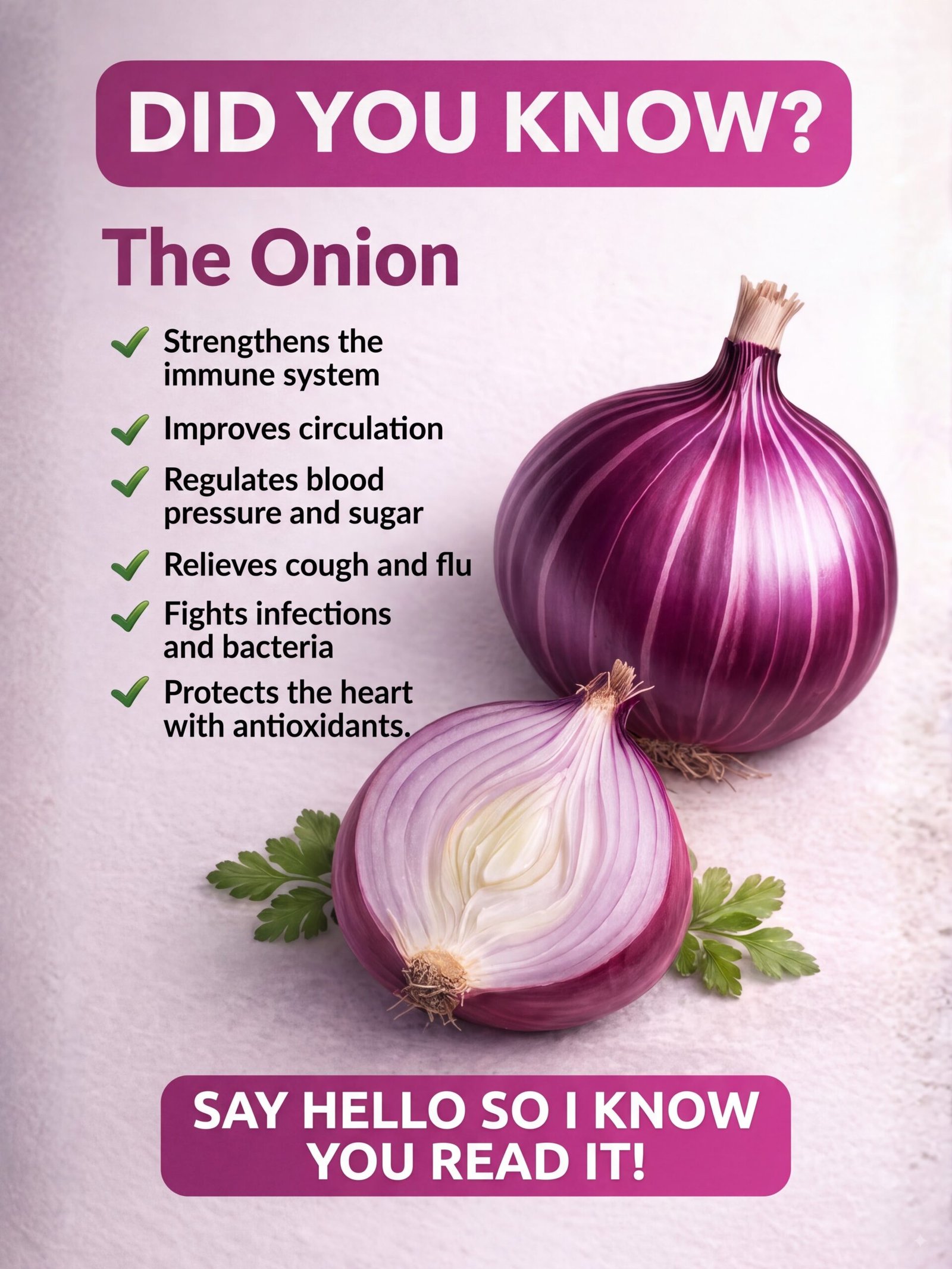
Specifically, vitamin C holds immense importance for the normal formation of collagen, a critical protein that plays a foundational role in maintaining healthy, supple skin.
While a diet rich in essential nutrients undoubtedly supports the normal health of your hair and skin, it’s important to manage expectations: consuming red onions alone will not miraculously reverse hair loss or halt the natural process of skin aging.
🥗 Elevate Your Meals: The Best Ways to Enjoy Red Onions
Red onions are incredibly adaptable, offering a spectrum of culinary possibilities that cater to almost any palate or dish.
Vibrant Fresh Salads
For a burst of flavor and crunch, simply combine thinly sliced red onion with a mix of:
- Creamy avocado
- Juicy tomato
- Crisp cucumber
- A squeeze of fresh lemon juice
- A sprinkle of fresh herbs
Wholesome Wraps and Sandwiches
Layer thinly sliced red onion into your favorite whole-grain wraps or sandwiches, alongside a medley of fresh vegetables and your preferred protein source, for an added zing.
DIY Pickled Red Onions
Whip up a batch of quick-pickled red onions to effortlessly infuse a tangy, delightful flavor into salads, gourmet sandwiches, tacos, and wholesome grain bowls.
Hearty Cooked Creations
Red onions lend themselves beautifully to cooking; try them roasted to perfection, grilled for a smoky char, lightly sautéed, or simmered into comforting soups and stews.
Pro Tip: If you appreciate the sharp, clean bite of raw onions, they offer a fantastic, effortless way to inject intense flavor into your dishes, reducing the need for excessive salt or sugary condiments.
🧅 Raw vs. Cooked: Is One Better for Red Onions?
Many enthusiasts choose to enjoy red onions in their raw form, primarily because they contain certain heat-sensitive plant compounds that remain fully intact when eaten fresh.
Nonetheless, it’s crucial to understand that cooking onions absolutely does not render them unhealthy. While various cooking techniques might slightly alter specific nutrients and plant compounds, cooked onions undeniably retain their status as a valuable and nutritious component of your diet.
Ultimately, the paramount consideration for optimal health is to prioritize consuming a wide array of different vegetables and to make them a consistent, regular presence in your meals.
⚠️ Important Considerations: Potential Side Effects and Precautions
While red onions are a wonderfully healthy food for the vast majority of people, it’s worth noting that a small percentage of individuals may experience some digestive symptoms after consuming them.
These potential, though generally mild, reactions can include:
- Uncomfortable gas
- A feeling of bloating
- Mild heartburn
- General stomach discomfort
- In very rare instances, allergic reactions
For those with a particularly sensitive digestive system, you might discover that you tolerate cooked onions with greater ease than their raw counterparts.
Should you be managing a diagnosed digestive disorder or consistently observe persistent, unwelcome symptoms after enjoying onions, it’s always a prudent step to consult with a qualified healthcare professional about your dietary choices.
💡 Unleash the Flavor: Simple Ways to Boost Your Red Onion Intake
Integrating more red onions into your diet doesn’t require complex gourmet recipes – it’s surprisingly simple!
Give these effortless ideas a try to enhance your daily meals:
- Finely slice and fold them into your morning omelet for a zesty kick.
- Toss chopped red onion into any fresh green salad for added crunch and flavor.
- Elevate your avocado toast with a sprinkle of thinly sliced red onion.
- Create a refreshing side dish by combining them with diced tomatoes and crisp cucumber.
- Incorporate them into your homemade salsa for an authentic, vibrant taste.
- Stir them into hearty bean or lentil-based dishes for depth of flavor.
- Prepare quick-pickled red onions to add a bright, tangy element to sandwiches and wraps.
These small, thoughtful additions can significantly boost the flavor profile and overall enjoyment of your healthy meals.
Frequently Asked Questions About Red Onions
Are red onions superior to white onions in terms of health benefits?
Both red and white onions offer valuable nutritional benefits and can be excellent dietary choices. However, red onions stand out particularly due to their higher anthocyanin content, which is responsible for their distinctive and appealing color.
Is it true that red onions can lower blood sugar levels?
Red onions do contain beneficial fiber and various plant compounds that are currently being researched for their potential influence on glucose metabolism. Nevertheless, it’s crucial to emphasize that they should never be considered a substitute for prescribed diabetes treatments or medications.
Am I better off eating red onions raw than cooked?
Consuming raw onions allows you to retain certain heat-sensitive compounds that might be diminished during cooking. However, cooked onions still provide significant nutritional value. The best approach is to choose the preparation method you personally enjoy the most and that your digestive system tolerates best.
Can incorporating red onions into my diet help prevent cancer?
While some compounds found within onions have been the subject of scientific investigation for their potential protective effects against certain diseases, there is currently insufficient robust evidence to conclusively state that eating red onions prevents or treats cancer in humans.
Do red onions genuinely improve digestive health?
Absolutely! The fiber and prebiotic compounds present in red onions are known to foster and support normal digestive health. However, a word of caution: individuals with sensitive digestion might find that raw onions occasionally trigger symptoms like bloating or gas.
🧅 Your Next Steps: Final Thoughts on Red Onions
Red onions truly stand out as an incredibly affordable, flavor-packed, and nutrient-dense vegetable, making them an effortless and smart addition to virtually any healthy eating regimen.
The impressive array of naturally occurring compounds they contain – from vibrant anthocyanins and powerful quercetin to essential fiber and vitamin C – positions them as a truly fascinating and valuable component of a diverse diet. When integrated into a well-rounded, balanced lifestyle, they offer potential support for your cardiovascular system, digestive wellness, and overall nutritional health.
Instead of seeking a single “miracle remedy” food, remember the broader, more impactful strategy for lasting well-being: prioritize consuming an abundance of diverse vegetables and fruits, opt for foods that are minimally processed, maintain a consistent level of physical activity, ensure you get sufficient restorative sleep, and always seek expert medical guidance when necessary.
So, tell us, are red onions a staple in your kitchen? We’d love to hear your go-to methods for preparing and enjoying them in the comments below! 🧅💜