 By admin
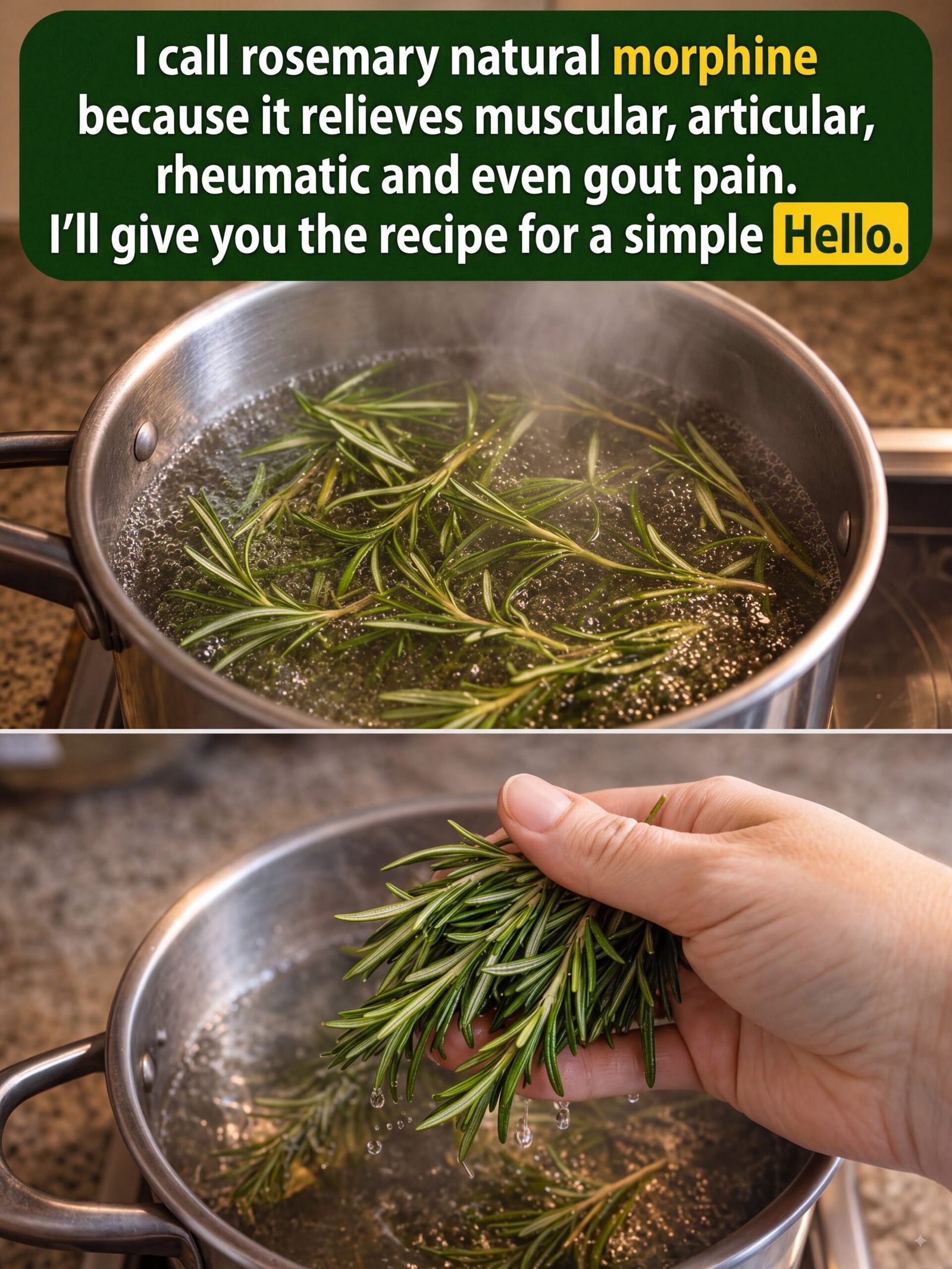
 You’ve probably seen rosemary hailed on social media as a “natural morphine.” But can this fragrant herb truly deliver such powerful relief? The reality is far more intricate than a simple label suggests.
Rosemary is packed with naturally occurring compounds currently under scientific investigation for their impressive antioxidant and anti-inflammatory properties. While many find it offers a delightful sense of relaxation and comfort, it’s crucial to understand that there’s no definitive scientific evidence supporting rosemary as a substitute for prescribed pain medication or a cure for conditions like arthritis, rheumatism, gout, or other medical ailments.
In this article, we’ll delve into various traditional applications of rosemary and explore how this versatile herb can beautifully enhance your everyday wellness routine.
This remarkable herb contains beneficial compounds such as rosmarinic acid, alongside a host of other antioxidants, all of which have garnered significant scientific interest due to their potential biological effects.
Historically, people have embraced rosemary in various forms, including:
- Invigorating warm herbal teas
- Soothing compresses
- Luxurious aromatic baths
- Relaxing massage preparations
- Delicious culinary recipes
Applying a warm compress or indulging in an aromatic bath infused with rosemary can often provide a welcome sense of temporary relaxation, especially after engaging in strenuous physical activity.
Nevertheless, it’s vital to view these traditional uses as supportive wellness practices, rather than definitive medical treatments. Any persistent, severe, or unexplained pain should always prompt a thorough evaluation by a qualified healthcare professional.
🍵 Recipe 1: Invigorating Rosemary Herbal Tea
A simple yet delightful rosemary tea offers a wonderfully warm and aromatic beverage experience.
What You’ll Need
- 1 tablespoon of fresh or dried rosemary
- 250 ml (approximately 1 cup) of water
Simple Steps to Prepare
- Begin by bringing your water to a rolling boil.
- Immediately remove the pot from the heat.
- Add the fresh or dried rosemary to the hot water.
- Cover the pot and allow the tea to steep for about 10 minutes.
- Strain the tea to remove the rosemary leaves before serving.
- Let it cool slightly to a comfortable drinking temperature and savor.
The delightful aroma of this tea makes it a wonderfully comforting addition to any well-rounded daily routine.
Important Tip: It’s best to avoid excessive consumption, especially if you are currently taking medications or managing an existing health condition.
♨️ Recipe 2: Soothing Warm Rosemary Compress
A warm compress provides a wonderfully straightforward method to induce a relaxing sensation in tired or overworked muscles.
Gather Your Ingredients
- 2 fresh rosemary sprigs
- 500 ml (approximately 2 cups) of water
- A clean, soft towel
Easy Preparation Steps
- Place the rosemary sprigs into the water.
- Gently simmer the mixture for approximately 10 minutes.
- Remove the pot from the heat and allow the liquid to cool until it reaches a comfortably warm temperature.
- Submerge a clean towel into the rosemary infusion.
- Carefully wring out any excess liquid from the towel.
- Position the warm, damp towel over the desired area for about 15 minutes to enjoy the soothing benefits.
The combined effect of gentle warmth and the distinctive rosemary aroma can effectively promote temporary relaxation and comfort.
Crucial Note: Always ensure the compress is comfortably warm, not hot, to prevent any risk of skin burns.
🛁 Recipe 3: Indulgent Relaxing Rosemary Bath
Infusing your bath with rosemary offers a delightful and enjoyable way to incorporate this herb into your self-care ritual for ultimate relaxation.
What You’ll Need
- 3 fresh rosemary sprigs
- 1 liter (approximately 4 cups) of water
How to Create Your Bath Infusion
- Begin by preparing a potent rosemary infusion: gently simmer the herb in water for about 10 minutes.
- Allow the prepared infusion to cool down slightly.
- Strain the mixture thoroughly to remove all herb particles.
- After you’ve completed your usual bath or shower, slowly pour the aromatic infusion over your body.
- Be mindful to avoid direct contact with your eyes and face.
The inherent aromatic qualities of rosemary will transform your bathing experience into something truly refreshing and deeply relaxing.
🌿 Unlocking the Potential Benefits of Rosemary
When utilized thoughtfully and appropriately, rosemary can beautifully complement a healthy lifestyle by offering:
1. A Serene and Relaxing Experience
Its distinct and pleasant aroma elevates teas, baths, and various self-care rituals, making them more enjoyable and calming.
2. A Rich Source of Natural Antioxidant Compounds
Rosemary is naturally abundant in several plant compounds known for their powerful antioxidant activity.
3. Gentle Support for Everyday Muscle Relaxation
Applying warm rosemary compresses can provide a temporary, comforting sensation and aid in muscle relaxation.
4. An Aromatic Enhancement for Massage and Baths
Rosemary seamlessly integrates into traditional wellness practices, enriching both massage and bathing experiences with its invigorating scent.
5. A Delightful and Flavorful Herbal Tea Option
Rosemary tea offers a wonderful, flavorful alternative to overly sweetened beverages and can easily become a cherished part of a diverse and healthy diet.
⚠️ Essential Rosemary Safety Tips You MUST Know
While rosemary is a common and beloved culinary herb, using it in more concentrated forms or with increased frequency demands a cautious approach.
- It is advisable to avoid consuming excessive quantities of rosemary tea.
- Individuals who are pregnant or breastfeeding should always consult a medical professional before incorporating rosemary into their routine for medicinal purposes.
- If you are currently on medication, it is imperative to speak with a healthcare professional before making rosemary a regular part of your herbal regimen.
- Those living with chronic medical conditions should always seek appropriate guidance from their doctor.
- Under no circumstances should rosemary be used as a substitute for any prescribed medical treatment.
- Discontinue use immediately if you experience any irritation, an allergic reaction, or other unusual or concerning symptoms.
Should you experience persistent, severe, or swollen muscle or joint pain, especially if it’s linked to an injury or accompanied by other worrying symptoms, it is strongly recommended to seek a professional medical evaluation.
Rosemary vs. “Natural Morphine”: The Essential Truth You Need to Know
The catchy phrase “natural morphine” often circulates online, aiming to portray rosemary as a potent painkiller. However, this description is fundamentally misleading and inaccurate.
It is crucial to understand that rosemary does not contain morphine, nor is there any credible scientific evidence to suggest it produces effects comparable to prescription opioid pain medications.
Rosemary’s true value lies in its rich history of traditional use, its delightful aroma, its beneficial antioxidant compounds, and its capacity to enhance relaxing routines—not in replacing medically proven treatments or acting as a powerful pharmaceutical.
💚 Simple Ways to Integrate Rosemary into Your Daily Routine
You don’t need elaborate preparations to fully enjoy the wonderful benefits of rosemary.
Consider incorporating fresh rosemary into:
- Flavorful roasted vegetables
- Hearty soups and stews
- Delicious grilled fish or chicken dishes
- Wholesome homemade sauces
- Comforting herbal teas
- Relaxing warm baths
- Soothing relaxation rituals
Embracing herbs as part of a varied and balanced diet not only enhances flavor but can also help reduce your reliance on excessive salt or sugary seasonings.
Frequently Asked Questions About Rosemary
Can rosemary effectively cure arthritis?
No, absolutely not. There is currently no credible scientific evidence indicating that rosemary can cure arthritis or serve as a replacement for appropriate medical treatment.
Is rosemary tea beneficial for muscle discomfort?
While a warm herbal drink can certainly contribute to a general feeling of relaxation and comfort, rosemary tea should not be regarded as a scientifically proven treatment for muscle pain.
Can I use rosemary as a warm compress?
Yes, a warm rosemary compress can be employed as a traditional practice for relaxation. Always ensure the temperature is comfortable and avoid applying it to any damaged or irritated skin areas.
Is it safe to drink rosemary tea every day?
Moderation is key. Regular or highly concentrated use might not be suitable for everyone, particularly for those who are pregnant, breastfeeding, taking medications, or managing chronic health conditions. Always consult a professional.
Is rosemary universally safe for everyone?
Rosemary is widely used as a culinary herb, yet individual tolerance can vary significantly. If you have a medical condition or are on medication, it’s essential to consult a healthcare professional before regular use for wellness purposes.
🌿 Concluding Thoughts on Rosemary
Rosemary is undeniably far more than just a fragrant kitchen herb. Its captivating aromatic qualities and the wealth of naturally occurring plant compounds have cemented its status as a cherished ingredient in traditional wellness practices for countless generations.
Whether you enjoy it brewed as a tea, applied in a warm compress, or infused into a relaxing bath, rosemary can be a delightful and beneficial addition to a healthy self-care routine.
However, it is crucial to reiterate that it should never be misconstrued as a “natural morphine” or a definitive cure for conditions such as arthritis, gout, rheumatism, or chronic pain. The wisest approach is to embrace rosemary as a complementary element within a healthy lifestyle, while always seeking professional medical care when persistent pain or other concerning symptoms arise.
👉 Discover the complete rosemary recipe in the first comment.