 By admin
 Imagine seeing a headline promising a single, simple seed could reverse diabetes, melt away stubborn weight, and even scrub your arteries clean! It sounds like a dream come true, right?
But before you rush to stock up, let’s pull back the curtain on these sensational claims and uncover the genuine, science-backed truth about this ancient grain.
Wheat, a remarkably affordable and readily available whole grain, truly offers a treasure trove of nutrients, including essential fiber, vital vitamins, crucial minerals, and a host of beneficial plant compounds. When thoughtfully incorporated into a well-rounded diet, whole-grain wheat can genuinely enhance your digestive well-being, promote feelings of fullness, and contribute to your overall metabolic health.
Yet, it’s absolutely critical to distinguish between these genuine, evidence-based nutritional advantages and the often-wildly exaggerated claims circulating online. To be clear: wheat simply cannot cure diabetes, it won’t magically unclog your arteries, and it certainly isn’t a substitute for any prescribed medication.
So, let’s dive deeper and uncover the precise capabilities and limitations of this common grain.
When you hear the phrase “wheat seed,” it can actually encompass various preparations and states of the wheat grain, such as:
- Whole wheat berries
- Soaked wheat grains
- Sprouted wheat
- Wheat germ
- Whole-grain wheat products
It’s important to understand that each of these forms possesses distinct nutritional profiles.
True whole wheat proudly retains all three integral parts of the grain: the nutrient-rich bran, the embryonic germ, and the starchy endosperm. This complete package collectively delivers a powerful mix of complex carbohydrates, essential proteins, dietary fiber, a spectrum of vitamins, vital minerals, and numerous beneficial plant compounds.
While sprouted wheat does indeed experience shifts in its nutrient makeup during the germination process, this transformation doesn’t automatically elevate it to a ‘super-treatment’ or a significantly more potent remedy for various diseases.
🩸 Can Wheat Help Support Healthy Blood Sugar?
Among the most significant nutritional benefits offered by whole-grain wheat is its impressive fiber content.
This dietary fiber plays a crucial role in regulating digestion and slowing down carbohydrate absorption, potentially leading to a more stable and gradual increase in blood glucose levels when compared to the rapid spikes often seen with highly refined carbohydrate foods.
Numerous studies examining dietary patterns rich in whole grains have consistently demonstrated a positive correlation between increased whole-grain consumption and improved overall metabolic health.
However, it’s vital to clarify:
Whole wheat is not a cure for diabetes.
Individuals managing diabetes must strictly adhere to their prescribed treatment plans and diligently monitor their blood glucose levels as advised by their healthcare professional.
⭐ 9 Potential Benefits of Whole Wheat
Rather than chasing after miraculous, unproven cures, let’s explore some of the truly realistic and evidence-backed ways whole wheat can genuinely enhance a healthy dietary regimen.
9. Supports Digestive Health
Whole wheat is an excellent source of dietary fiber, which actively contributes to increasing stool bulk and promoting healthy, regular bowel movements.
Ensuring sufficient fiber intake is a fundamental pillar for sustaining optimal digestive health.
8. May Help With Satiety and Weight Management
Foods abundant in fiber are generally far more satisfying and filling compared to their refined counterparts.
Consequently, incorporating whole grains into your meals can help you feel fuller for extended periods, making it simpler to adhere to a balanced and sustainable eating pattern.
Nevertheless, relying solely on wheat consumption will not magically trigger rapid weight loss.
Factors such as total calorie intake, consistent physical activity, adequate sleep, and the overall quality of your diet remain paramount for effective weight management.
7. May Support a Healthy Cholesterol Profile
Whole grains are packed with beneficial fiber, essential minerals, and a diverse array of plant compounds.
Scientific research indicates that swapping refined grains for whole-grain alternatives can offer modest yet positive effects on specific cardiovascular risk factors, notably including cholesterol levels.
It’s crucial to understand, however, that wheat does not possess the ability to “cleanse” or unclog arteries in any way.
Far more critical for cardiovascular health are well-established habits such as abstaining from smoking, engaging in regular physical activity, maintaining a healthy body weight, and effectively managing both blood pressure and cholesterol levels.
6. Provides Antioxidant and Plant Compounds
Whole wheat is rich in diverse phytochemicals, encompassing beneficial phenolic compounds and other powerful antioxidants.
These compounds significantly enhance the overall nutritional richness and value of whole grains.
While antioxidants are vital for shielding cells from damaging oxidative stress, this doesn’t imply that consuming wheat can directly eradicate inflammation across your entire body.
5. Supports a Healthy Gut
The fiber present in whole grains acts as a crucial food source, or substrate, for the beneficial bacteria residing in your gut.
When these gut bacteria ferment specific types of fiber, they generate valuable compounds that play a significant role in fostering optimal intestinal health.
For individuals whose diets typically lack substantial fiber, it’s advisable to increase intake gradually to help minimize any temporary discomforts like bloating or gas.
4. Can Fit Into a Heart-Healthy Diet
Whole grains are consistently featured as a cornerstone in dietary patterns widely recognized for supporting excellent cardiovascular health.
Simply swapping out refined grains for their whole-grain counterparts can effortlessly boost your intake of fiber and other vital nutrients, often without the need for complex culinary skills or elaborate recipes.
Whenever suitable, consider substituting highly refined grain products with wholesome whole wheat options.
3. Provides Longer-Lasting Energy
Wheat is a natural source of carbohydrates, which are fundamental for providing your body with energy.
When these carbohydrates are consumed alongside fiber, protein, and other essential nutrients—a combination naturally found in many whole-grain foods—the resulting meal tends to be far more satisfying and delivers a much steadier, more sustained release of energy compared to the rapid spikes and crashes associated with highly refined sugary foods.
2. Provides Important Nutrients
Whole wheat is a powerhouse, offering a significant contribution of vital nutrients, including:
- Fiber
- B vitamins
- Magnesium
- Zinc
- Iron
- Selenium
- Plant-based protein
It’s worth noting that the precise nutritional profile can vary based on the specific form and preparation method of the wheat.
Even with these benefits, maintaining a diverse and varied diet remains essential to fulfill all your nutritional requirements.
1. Encourages Healthier Eating Habits
Perhaps the most profound benefit derived from whole wheat isn’t attributable to any single nutrient.
Instead, the simple act of replacing highly refined foods with whole grains can serve as a powerful, yet manageable, step towards cultivating a more balanced and health-conscious eating pattern.
When thoughtfully combined with a colorful array of vegetables, fruits, legumes, nuts, seeds, lean proteins, and complemented by consistent physical activity, whole grains seamlessly integrate into a sustainable and effective strategy for achieving long-term health and well-being.
🌱 What About Sprouted Wheat?
Sprouted wheat is produced through a fascinating process where wheat grains are permitted to germinate under carefully controlled environmental conditions.
As germination occurs, enzymes become highly active, leading to noticeable alterations in the composition of certain nutrients and beneficial plant compounds within the grain.
Despite these changes, sensational claims that sprouted wheat is dramatically ‘more powerful’ or superior to traditional whole wheat lack robust scientific backing and are not well established.
Should you decide to explore sprouted wheat, prioritizing food safety throughout the preparation process is exceptionally important.
🥣 How to Prepare Wheat Safely
Option 1: Cooked Whole Wheat
For most daily culinary applications, cooking whole wheat is undeniably the most straightforward and safest method.
- Begin by rinsing the wheat grains thoroughly under cool water.
- Soak them as per the instructions provided on the package, if recommended.
- Cook the grains in clean water until they reach a tender consistency.
- Finally, drain any excess water and incorporate them into salads, hearty soups, grain bowls, or other delicious meals.
Cooked wheat offers incredible versatility; you can effortlessly combine it with fresh vegetables, protein-rich beans, creamy yogurt, crunchy nuts, or lean protein sources for a satisfying meal.
🌱 Option 2: Sprouted Wheat
Should you opt to sprout wheat within your own kitchen:
- Always start with high-quality, food-grade wheat specifically designated for sprouting.
- Rinse the grains meticulously and thoroughly.
- Soak them precisely according to the product’s detailed instructions.
- Ensure they are drained completely after soaking.
- Rinse the sprouts regularly throughout the sprouting process using only clean, fresh water.
- Maintain a clean and well-ventilated sprouting container to prevent issues.
- Immediately discard the sprouts if you detect any unpleasant odor, notice discoloration, or observe any signs of mold growth.
Crucial Warning: It’s imperative to understand that raw sprouts can potentially harbor harmful bacteria, as the warm, moist conditions ideal for germination also create an inviting environment for bacterial proliferation.
Individuals who are at a heightened risk of foodborne illness, such as pregnant women, young children, the elderly, and those with compromised immune systems, should exercise extreme caution or avoid raw sprouts altogether.
Thoroughly cooking sprouts is an effective way to significantly mitigate this potential risk.
🍓 A Simple Wheat Breakfast Bowl
Rather than simply consuming raw wheat steeped in water, consider a far more appealing and nutritious approach: incorporating cooked whole wheat into a delightful and balanced meal.
Ingredients
- ½–1 cup cooked whole wheat
- Fresh berries or chopped apple
- A small handful of walnuts or almonds
- Plain yogurt
- Cinnamon, optional
Preparation
Simply combine all the listed ingredients in a bowl, give them a gentle mix, and serve immediately.
This simple yet powerful bowl delivers a fantastic synergy of wholesome whole grains, essential fiber, satisfying protein, beneficial healthy fats, and vibrant fruit, making it a truly nourishing start to your day.
⚠️ Who Should Avoid Wheat?
While wheat offers nutritional benefits for a vast majority of people, it is unequivocally not suitable for everyone.
Celiac disease
Individuals diagnosed with celiac disease are required to strictly avoid wheat due to its gluten content, which triggers an autoimmune reaction in their bodies.
Wheat allergy
Anyone with a clinically diagnosed wheat allergy must completely abstain from wheat and diligently adhere to the specific recommendations provided by their healthcare professional.
Gluten sensitivity
Some individuals report experiencing adverse symptoms after consuming foods that contain gluten, even without a diagnosis of celiac disease. If you suspect you may have gluten sensitivity, it is crucial to consult with a healthcare professional before implementing any significant dietary modifications.
💊 Can Wheat Replace Diabetes Medication?
Absolutely not.
If you are living with diabetes, under no circumstances should you ever substitute vital medications such as insulin, metformin, or any other prescribed treatment with wheat, wheat sprouts, herbal concoctions, or any other unproven homemade remedies.
While whole grains can certainly play a beneficial role within a diabetes-friendly eating pattern, it’s paramount to remember that diabetes management requires a highly individualized approach tailored to each person’s specific needs.
Should you decide to adjust your carbohydrate intake, it is essential to diligently monitor your blood glucose levels precisely as recommended by your healthcare professional.
🩺 What About High Blood Pressure and Cholesterol?
Whole grains can certainly contribute positively to an overall heart-healthy diet, but it’s vital to recognize that they are not, and cannot replace, medications.
If you are managing high blood pressure or elevated cholesterol, it is imperative to continue taking your prescribed medications and diligently adhere to your doctor’s professional recommendations.
A holistic approach that includes a consistently healthy dietary pattern, regular physical exercise, sufficient restorative sleep, and complete avoidance of tobacco products are all indispensable components for optimal cardiovascular health.
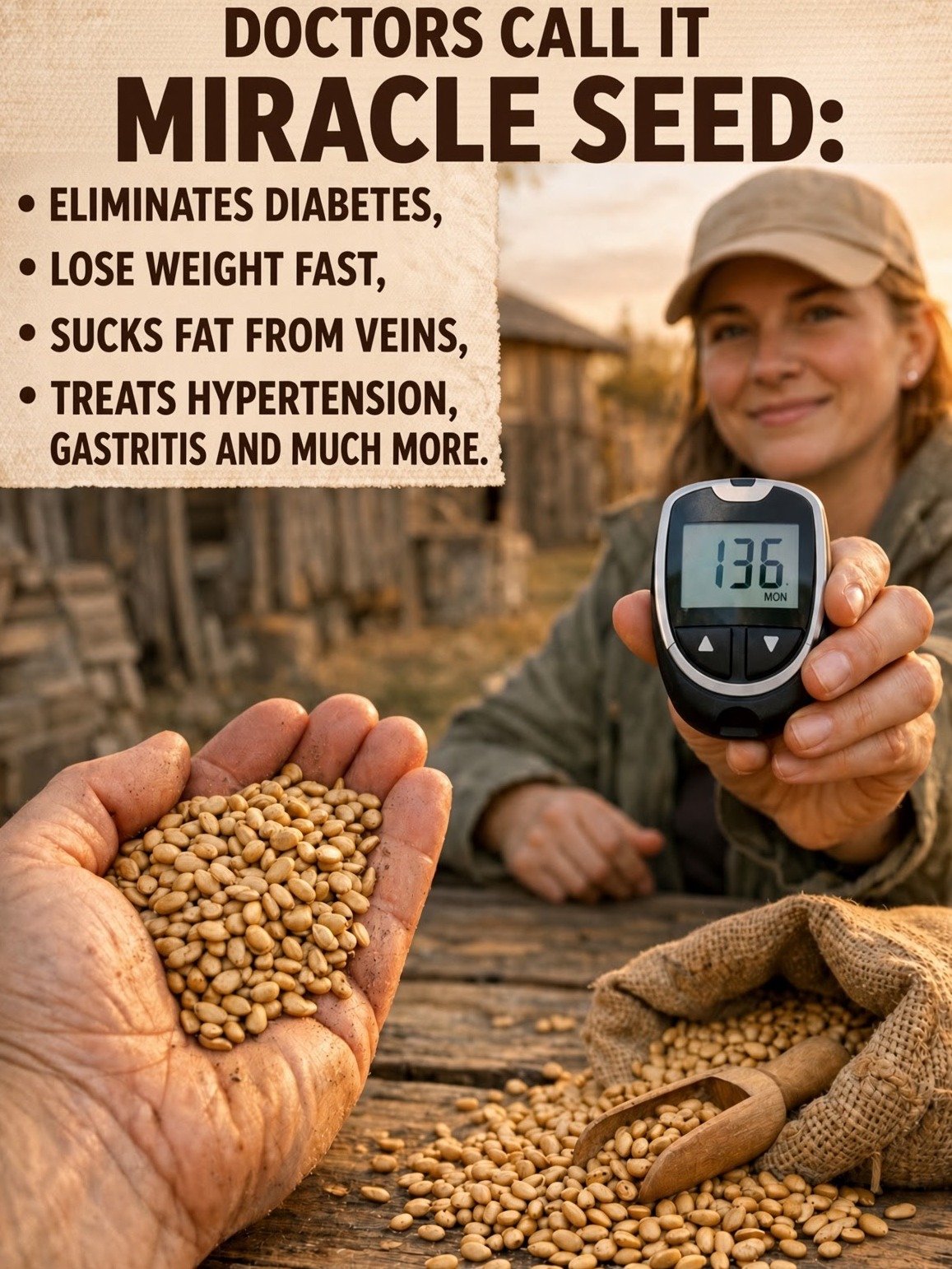
🚫 Beware of “Miracle Seed” Claims
You might frequently encounter sensational claims asserting that wheat possesses the power to:
- Miraculously cure diabetes
- Rapidly burn stubborn abdominal fat
- Effortlessly clean blocked arteries
- Completely reverse hypertension
- Instantly cure gastritis
- Magically detoxify the liver
- Completely eliminate inflammation
- Serve as a replacement for diabetes medication
It is crucial to understand that every single one of these extraordinary claims extends far beyond the realm of credible scientific evidence.
The true, verifiable value of whole wheat is undeniably less dramatic than these ‘miracle’ assertions, yet it is precisely this grounded reality that makes its benefits far more credible and trustworthy.
Ultimately, whole wheat stands as a genuinely nutritious whole grain, capable of significantly enriching a balanced diet with essential fiber, vital minerals, crucial vitamins, and beneficial plant compounds.
🚶 5 Habits That Matter More Than Any Single Food
If your primary objective is to achieve superior metabolic and cardiovascular health, it’s absolutely vital to zoom out and focus on the broader, more impactful picture.
1. Eat more whole foods
Make it a top priority to fill your plate with an abundance of vegetables, vibrant fruits, hearty legumes, wholesome whole grains, nourishing nuts, beneficial seeds, and appropriate lean protein sources.
2. Reduce refined sugars
Consciously limit your intake of sugary beverages, excessive sweets, and heavily processed foods that offer little nutritional value.
3. Stay physically active
Even consistent, moderate activities like regular walking can play an incredibly valuable role in fostering a healthy and vibrant lifestyle.
4. Maintain a healthy weight
Should you be on a journey to lose weight, prioritize making gradual, sustainable lifestyle adjustments rather than chasing after rapid, often unsustainable ‘miracle’ diets.
5. Monitor your health
For those managing conditions like diabetes, high blood pressure, or elevated cholesterol, consistent and regular medical monitoring by a healthcare professional is not just important, it is absolutely essential.
🌾 Final Thoughts
Let’s be unequivocally clear: Whole wheat is emphatically not a miracle seed, and absolutely no credible scientific evidence exists to support claims that it can cure diabetes, rapidly dissolve body fat, or miraculously clear blocked arteries.
However, this crucial distinction in no way diminishes its genuine importance.
On the contrary, whole wheat can serve as an exceptionally valuable source of fiber, essential B vitamins, crucial minerals, and beneficial plant compounds, and simply swapping out refined grains for whole-grain alternatives can significantly bolster a healthier, more balanced overall eating pattern.
If you appreciate and enjoy wheat, always opt for its minimally processed whole-grain forms, ensure you prepare them safely and correctly, and consciously combine them with a diverse assortment of other nutritious foods for maximum benefit.
Ultimately, the true secret to lasting health isn’t found in one miraculous, isolated seed—it lies in the unwavering consistency of healthy habits cultivated diligently over time.
This article is for general educational purposes only and does not replace professional medical advice. If you have diabetes, celiac disease, a wheat allergy, high blood pressure, high cholesterol, or take prescription medication, consult your doctor or registered dietitian before making significant dietary changes.