 By admin
 Beetroot and Lemon Juice: A Healthy Habit or Just Another Overhyped Promise?
Feeling tired, bloated, or sluggish after meals isn’t just uncomfortable; it can be discouraging when your clothes feel tight, your legs heavy, and you start blaming it on “age.” It’s even more frustrating when a vibrant red drink pops up online, promising a life-changing transformation overnight, leaving you wondering if it’s too good to be true.
The good news is that simple habits can indeed support a healthier diet. However, the key lies in understanding what this popular beetroot and lemon drink can genuinely offer and what it definitely cannot. And pay close attention, because by the end, I’ll reveal a crucial detail almost no one mentions before you start making this drink at home.
The Truth Behind the Beetroot Drink Trending Online
Beetroot, also known as beets, is a nutritious vegetable. It provides natural compounds, fiber (when consumed whole), and naturally occurring nitrates. Your body can convert these nitrates into nitric oxide, a substance linked to blood vessel dilation.
Some research has observed modest benefits regarding blood pressure and physical performance in specific contexts. However, this absolutely does not mean a single drink can “cure everything” or replace medications or professional medical evaluation.
The reality is far more grounded and useful. A glass of beetroot juice can be a component of a balanced routine, especially when paired with better daily choices: fewer ultra-processed foods, less excessive salt, more water, more vegetables, and consistent physical activity. These are the changes that truly shift the landscape over time. It’s not a miracle drink; it’s just one piece of a larger puzzle.
What Beetroot and Lemon Can Realistically Contribute to a Healthy Routine
When discussed without exaggeration, this combination can be beneficial for several reasons. Beetroot offers valuable plant compounds, while lemon adds flavor, freshness, and helps many enjoy the drink without resorting to sugary sodas or juices.
Potential Real Benefits of This Drink:
- It can help some individuals practically consume more vegetables.
- It can serve as a healthier alternative to sugary beverages.
- It can fit into a diet focused on moderating sodium and ultra-processed foods.
- It can complement light physical activity routines or walks.
- It can motivate a return to self-care habits.
But that’s not all. The most valuable aspect of this drink isn’t always found in the glass itself. It’s often found in what it replaces. If this juice substitutes sodas, excessive sugar, or heavy meals, then its indirect impact on your health can be far more significant than any viral promise.
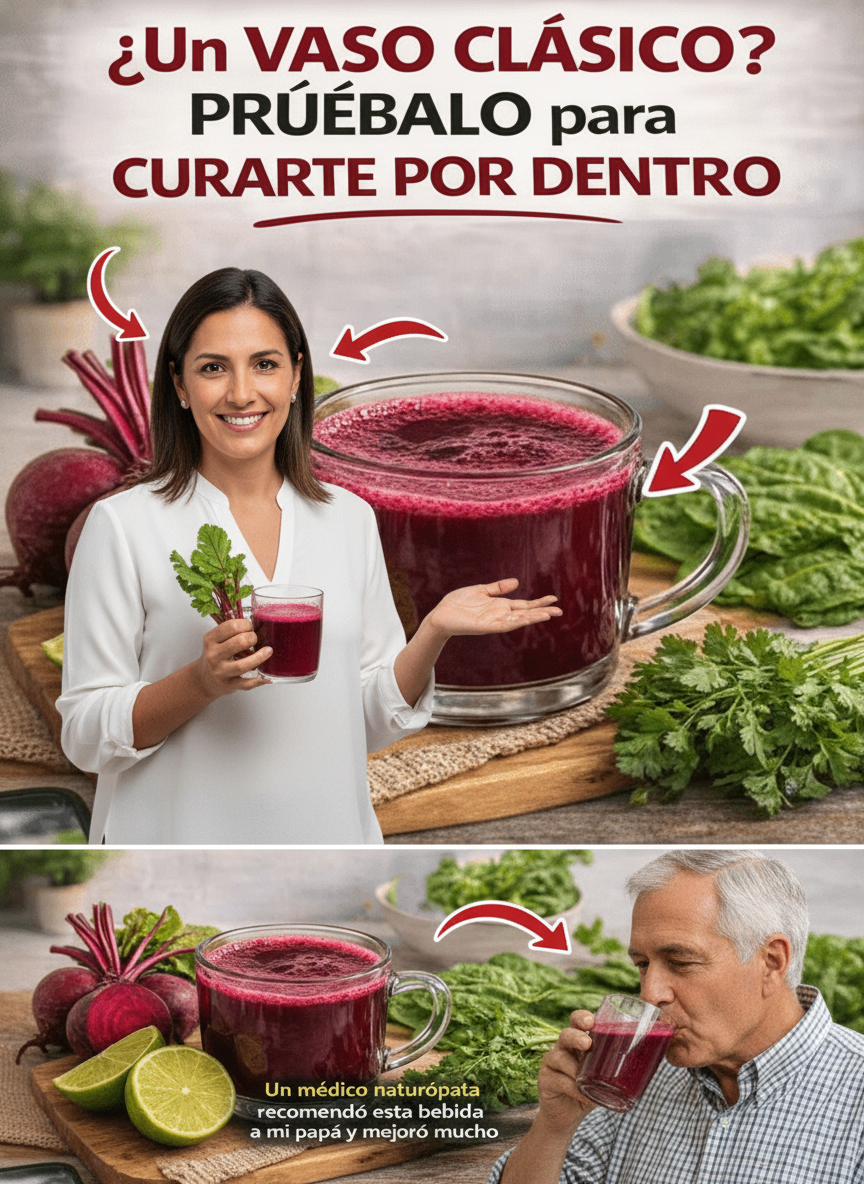
What This Drink DOES NOT Do (Despite Social Media Claims)
Let’s be clear, as a trusted health professional would advise a loved one. A glass of beetroot and lemon juice will not erase years of unhealthy habits. It does not replace medical treatment. It doesn’t “cleanse” you internally in the miraculous way some ads suggest – your body already has organs perfectly designed for that job.
Nor can it single-handedly resolve complex issues like chronic fatigue, persistent bloating, high blood pressure, leg pain, or continuous digestive problems. Claims of “everything improved in hours” or “all ailments cured” are misleading and can dangerously delay seeking appropriate medical attention.
Quick Comparison: Viral Promise vs. Sensible Reality
- What social media says: “One glass changes your life.”
What’s more realistic: Consistent habits carry more weight than an isolated drink. - What social media says: “It’s good for everything.”
What’s more realistic: It can be part of a balanced diet, but not much more. - What social media says: “It cleanses you from the inside.”
What’s more realistic: Your body already has organs that perform this function. - What social media says: “If it’s natural, it’s for everyone.”
What’s more realistic: Some individuals need to exercise caution.
And here’s the part many people skip over in their excitement: “natural” doesn’t always mean “suitable for everyone.”
Who Should Be More Cautious Before Consuming It Regularly
Beetroot contains oxalates. Mayo Clinic notes that consuming large quantities of high-oxalate foods can increase the risk in individuals predisposed to hyperoxaluria or kidney stones. Beetroot and spinach are among these high-oxalate foods.
This means the drink isn’t “bad,” but common sense should prevail if:
- You have a history of kidney stones.
- Your doctor has advised you to limit high-oxalate foods.