 By admin
 If you’ve noticed your midsection expanding and feeling less firm, it might be time to take a closer look at your daily eating habits. A consistent diet of unhealthy foods not only strains your digestive system but also significantly contributes to the accumulation of stubborn belly fat. This burden on your health intensifies with age as digestive functions naturally slow down. Do you frequently experience bloating, indigestion, or an increasing waistline? If so, you might be unknowingly exacerbating these issues. Today, let’s explore how simple dietary changes and smarter food choices can profoundly improve your abdominal health and digestive well-being.
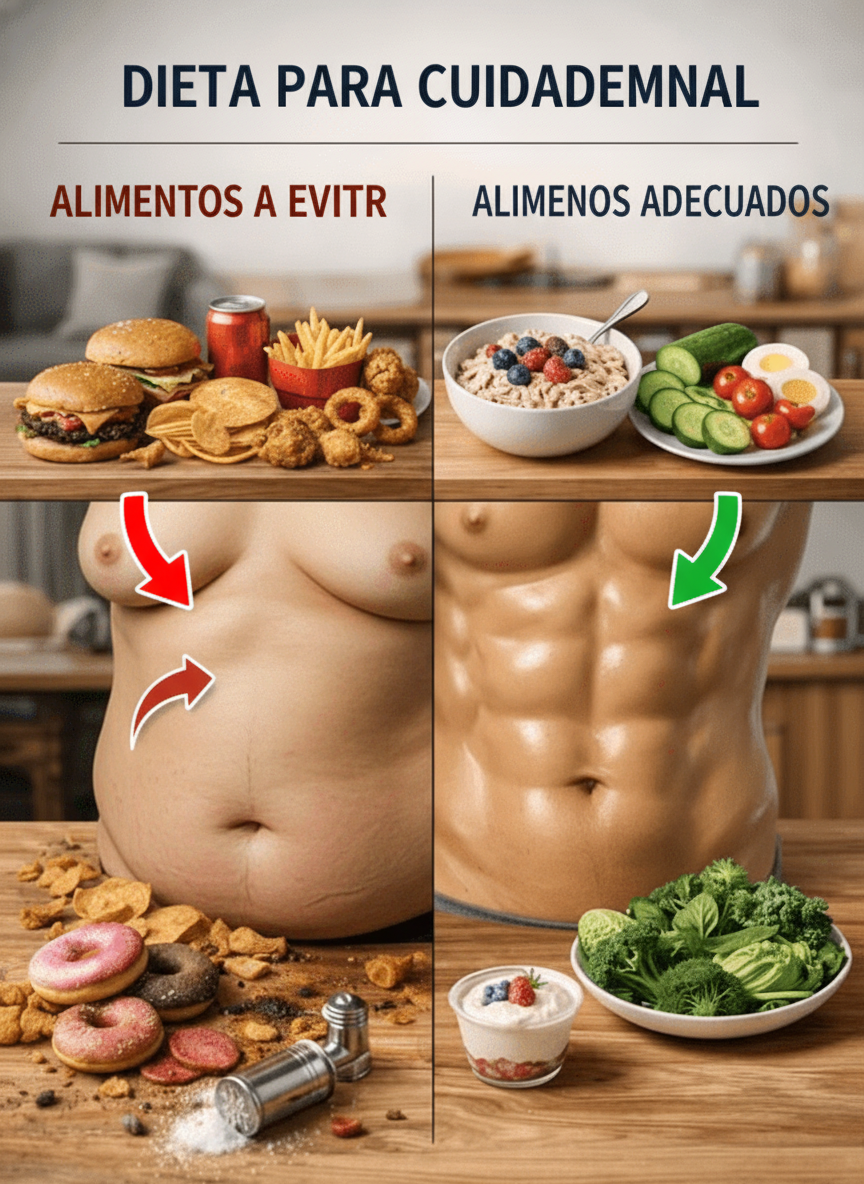
I. Foods to Avoid: The Key to a Flatter Stomach
To effectively reduce belly fat, it’s crucial to identify and minimize foods that overburden your digestive system and promote fat storage. These include:
- Junk and Fried Foods: Think burgers, fries, and greasy snacks. They are calorie-dense, nutrient-poor, and notoriously hard to digest.
- High-Sugar Snacks & Sweets: Donuts, candies, and pastries cause rapid blood sugar spikes, leading to insulin resistance and increased fat storage around the abdomen.
- Processed Meats: Sausages, bacon, and deli meats are often high in unhealthy fats, sodium, and preservatives, contributing to inflammation and bloating.
- Excessive Salt: High sodium intake leads to water retention, making you feel bloated and puffy.
- Soft Drinks & Sugary Beverages: These are liquid calories packed with sugar, offering no nutritional value and directly contributing to visceral fat accumulation.
These culprits not only inflame your gut but also disrupt insulin stability, making your body more prone to storing fat, especially in the abdominal region. Remember that quick afternoon snack of a burger and fries, or the comfort of a donut and soda? These seemingly harmless choices quietly add to your abdominal burden, hindering your digestive system and paving the way for belly fat.
II. Foods to Embrace: Your Allies for a Healthy Gut
In stark contrast, choosing the right foods can dramatically reduce belly fat and enhance digestive health. Focus on natural, fiber-rich, low-sugar, and anti-inflammatory options:
- Fresh Vegetables: Leafy greens, cruciferous vegetables, and colorful peppers are packed with fiber, vitamins, and antioxidants that support digestion and reduce inflammation.
- Fruits: Berries, apples, and citrus fruits offer natural sweetness, fiber, and essential nutrients without the sugar crash of processed snacks.
- Whole Grains: Oats, brown rice, quinoa, and whole wheat bread provide complex carbohydrates and dietary fiber, promoting satiety and healthy bowel movements.
- Yogurt & Fermented Foods: Rich in probiotics, these foods support a healthy gut microbiome, which is vital for digestion and reducing bloating.
- Nuts & Seeds: Almonds, walnuts, chia seeds, and flaxseeds offer healthy fats, fiber, and protein, keeping you full and nourished.
Prioritize a balanced diet, minimizing unhealthy fats and added sugars. Incorporate antioxidant-rich foods like avocados, green leafy vegetables, and blueberries to combat inflammation and boost metabolism. Empower yourself by choosing natural, nutrient-dense foods that nurture your body and gut.
III. Cultivating Healthy Eating Habits: A Roadmap to a Healthier Abdomen
Transforming your diet doesn’t require drastic measures, but consistent, mindful choices:
- Opt for Whole, Unprocessed Foods: Make fresh vegetables, fruits, and whole grains the cornerstone of your meals. Reduce reliance on packaged and fried items that stress your digestive system.
- Boost Your Fiber Intake: Dietary fiber is essential for gut motility, preventing constipation and bloating. Integrate more whole grains, legumes, and a variety of vegetables into your daily diet. This also provides sustained fullness, curbing unhealthy cravings.
- Master Sugar and Salt Control: Excessive sugar and salt are major contributors to digestive issues and belly fat. Actively reduce processed foods and sugary beverages, opting for low-sodium alternatives and naturally sweet options.
IV. Frequently Asked Questions (FAQ)
- 1. How do I know if I’m choosing the right foods?
- Focus on natural, low-sugar, and fiber-rich foods. Actively avoid fried, processed items, and high-sugar drinks, as these negatively impact digestion and contribute to abdominal fat.
- 2. What else can I do to reduce belly fat?
- Beyond diet, embrace a holistic healthy lifestyle. This includes regular physical activity, ensuring adequate sleep, and managing stress effectively, all of which complement dietary changes in reducing belly fat.
- 3. Is belly fat linked to indigestion?
- Absolutely. The accumulation of belly fat is often intertwined with digestive problems and overall gut health. By avoiding processed and fried foods, you can significantly improve digestive system health and reduce abdominal fat storage.
Conclusion
Achieving a healthier abdomen doesn’t demand extreme sacrifices. It begins with making informed food choices, steering clear of items detrimental to your digestive system, and consistently practicing good eating habits. Let’s commit to nurturing our digestive health and keeping belly fat at bay.
Disclaimer: This content is for educational purposes only and should not be considered a substitute for professional medical advice. Always consult with a healthcare provider before making significant dietary changes, especially if you have existing health conditions.