 By admin
 Chayote: A Superfood or Just a Healthy Veggie? Unpacking a Common Taiwanese Dietary Blind Spot
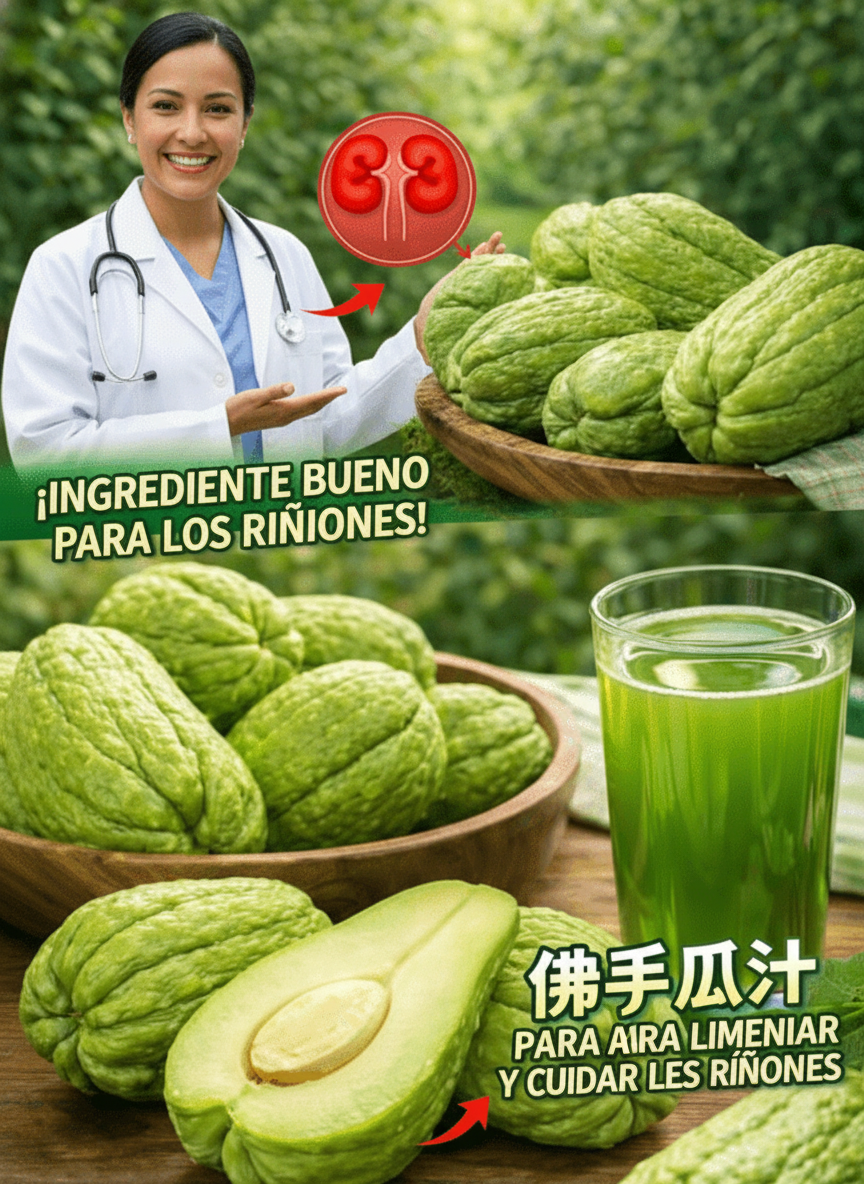
Have you ever seen a message pop up in your family chat group: an excited elder sharing an image, claiming, “This vegetable juice can detoxify your body, protect your kidneys, and is even better than medicine”? Many might just smile it off, but secretly, a part of us wonders if it’s true. The truth is, when fatigue, swollen legs, or high blood pressure emerge, we often rush to find a “miracle food,” overlooking the lifestyle habits that truly impact our health. What’s more, many people consume beneficial foods daily without knowing how to properly utilize them. This article will delve into the real nutritional value of chayote and reveal why many Taiwanese households already have this healthy ingredient, yet often miss out on its full potential.
Why Chayote is Gaining Attention in Taiwan
Chayote is incredibly common in Taiwan, easily found in traditional markets or mountain produce stores. Many grew up eating chayote soup but rarely consume it as adults. However, in recent years, the healthy eating trend has brought this humble vegetable back into the spotlight.
The reason is simple:
- Chayote is nutrient-dense yet very low in calories.
According to nutritional data, a single chayote contains:
- Potassium
- Vitamin C
- Dietary Fiber
- Folate
These nutrients are crucial for maintaining daily health. But here’s something many people don’t realize:
Chayote is not a “miracle food.”
It can be a valuable part of a healthy diet, but no single food can solve all bodily ailments. In fact, research indicates that a diverse intake of vegetables is key to maintaining bodily functions – a concept many nutritionists constantly emphasize.
What is Chayote’s True Nutritional Value?
Many people tend to have overly high expectations when they first hear about chayote’s health benefits. However, its true value lies in its unique nutritional profile. Here’s a simple comparison:
- Chayote: Low calorie, high fiber
- Potato: Higher energy source
- Pumpkin: Rich in beta-carotene
- Winter Melon: High water content
As you can see, chayote’s biggest strengths are its:
- Refreshing taste
- Low calorie count
- Decent fiber content
These characteristics are particularly beneficial for common modern dietary issues. For example:
- People who frequently eat out often consume excessive fats.
- Sedentary individuals often experience digestive discomfort.
Adequate intake of fiber-rich vegetables helps maintain normal bowel function. Furthermore, chayote also boasts a good potassium content. Potassium is an essential mineral involved in fluid balance and nerve-muscle function. Many nutritional studies also link potassium-rich diets to overall healthy eating patterns.
But remember: Nutritional value does not equate to medical efficacy. These are two entirely different things.
Common Health Myths on the Internet
If you frequent social media, you’ve likely come across claims such as:
- “This vegetable juice can improve many health problems.”
For instance:
- Knee discomfort
- High blood pressure
- Fatigue
- Poor circulation
However, it’s crucial to understand that human health conditions are typically multi-factorial. For example:
- Knee discomfort might be related to joint wear or lack of exercise.
- Leg swelling could be due to prolonged sitting or circulation issues.
- High blood pressure is often linked to dietary salt intake and life stress.
These conditions cannot be resolved by a single glass of vegetable juice. This is why medical and nutritional experts constantly advise against over-reliance on any single food. But that’s not the most important point. The real key is that many people neglect their lifestyle habits, which are the biggest factors influencing health.
Dietary Habits Most Taiwanese Overlook
In clinics, many patients ask, “Doctor, what health supplements should I take?” Yet, what truly needs adjustment is often not a specific ingredient, but the overall dietary pattern. Here are some common habits in Taiwan:
- High proportion of outside dining
- Insufficient vegetable intake
- Excessive beverage consumption
- High salt intake
These factors, accumulated over time, are the primary sources of bodily burden. Instead of searching for “miracle foods,” it’s better to first review your daily diet. For example:
- Eat at least two servings of vegetables daily.
- Reduce processed foods.
- Drink more water.
Simple adjustments are often more beneficial than any online remedy.
How to Incorporate Chayote into Your Daily Diet
The good news is that chayote is incredibly easy to cook and affordable. Here are a few simple ways:
- Chayote chicken soup
- Stir-fried chayote
- Chayote vegetable soup
If you want to try an even healthier method, follow these simple steps:
- Wash and slice the chayote.
- Add garlic and a small amount of olive oil.
- Quickly stir-fry for three to five minutes.
- Season with a pinch of salt.
This cooking method preserves the vegetable’s natural flavor and keeps calories low. But remember, a healthy diet isn’t built on a single dish. The real key is long-term habits.
Simple Principles for Healthy Daily Eating
If you want to make your diet healthier, keep these principles in mind:
- Diverse vegetable intake: Consume different colored vegetables daily.
- Avoid overly processed foods: Increase the proportion of natural ingredients.
- Maintain moderate exercise.
Research shows that individuals who consistently follow a balanced diet generally maintain better physical health. It’s not a quick fix, but it is the most reliable method.
Conclusion
Chayote is a nutritious, low-calorie vegetable that is excellent for incorporating into your daily diet. However, it is not a magical food and cannot replace medical treatment or professional advice. What truly impacts health are often long-term lifestyle habits. Instead of chasing the miracle of a single ingredient, focus on establishing a stable dietary pattern. When you eat more balanced meals and stay more active every day, your body will naturally reward you.
Frequently Asked Questions (FAQ)
- Can chayote be eaten daily? Healthy adults can generally consume vegetables in moderation daily, but it’s still recommended to maintain dietary diversity and not rely on a single vegetable.
- Is chayote juice really healthier? Eating whole vegetables usually retains more dietary fiber. Juicing may reduce some nutrients, so consuming whole, raw forms is generally preferred.
- Who is chayote suitable for? Most people can eat chayote, but if you have specific dietary restrictions or health conditions, it’s advisable to consult a medical professional first.
Medical Disclaimer
This article’s content is for health education and informational purposes only and cannot replace professional medical advice. If you have any health concerns, please consult a physician or qualified healthcare professional.