 By admin
 Is Menopause Silently Approaching? 9 Body Signals Women Often Overlook
Many women in their 40s begin to notice subtle, sometimes embarrassing, changes. Perhaps a sudden flush during a meeting, restless nights, or inexplicable emotional sensitivity. Initially, these might be dismissed as stress or simply getting older. However, these shifts could very well be linked to menopause. What’s more concerning is that without understanding these early bodily signals, many women endure prolonged discomfort without knowing the cause. The good news? By recognizing these changes and adopting healthy habits, most symptoms can be gently managed and improved. We’ll also share crucial lifestyle tips that many tend to overlook.
1. Irregular Menstrual Cycles
For many women, the first sign isn’t hot flashes, but rather changes in their period. Some might experience cycles that are suddenly shorter or longer, while others might skip periods for several months. This is a natural process as ovarian function gradually changes. Research indicates that hormonal fluctuations become more pronounced in the years leading up to menopause, impacting menstrual rhythm.
Please note: Not all menstrual changes are related to menopause. Consult a doctor if you experience:
- Sudden, unusually heavy bleeding
- Prolonged bleeding duration
- Bleeding occurring after menopause has been established
The table below can help differentiate common scenarios:
| Menstrual Change | Possible Cause |
|---|---|
| Shorter cycles | Hormonal fluctuations |
| Longer cycles | Changing ovarian function |
| Lighter flow | Approaching menopause |
| Occasional skipped periods | Common in perimenopause |
But that’s not all. Many women believe menopause only involves menstrual changes, but the body presents many more subtle signals.
2. Sudden Hot Flashes and Flushing
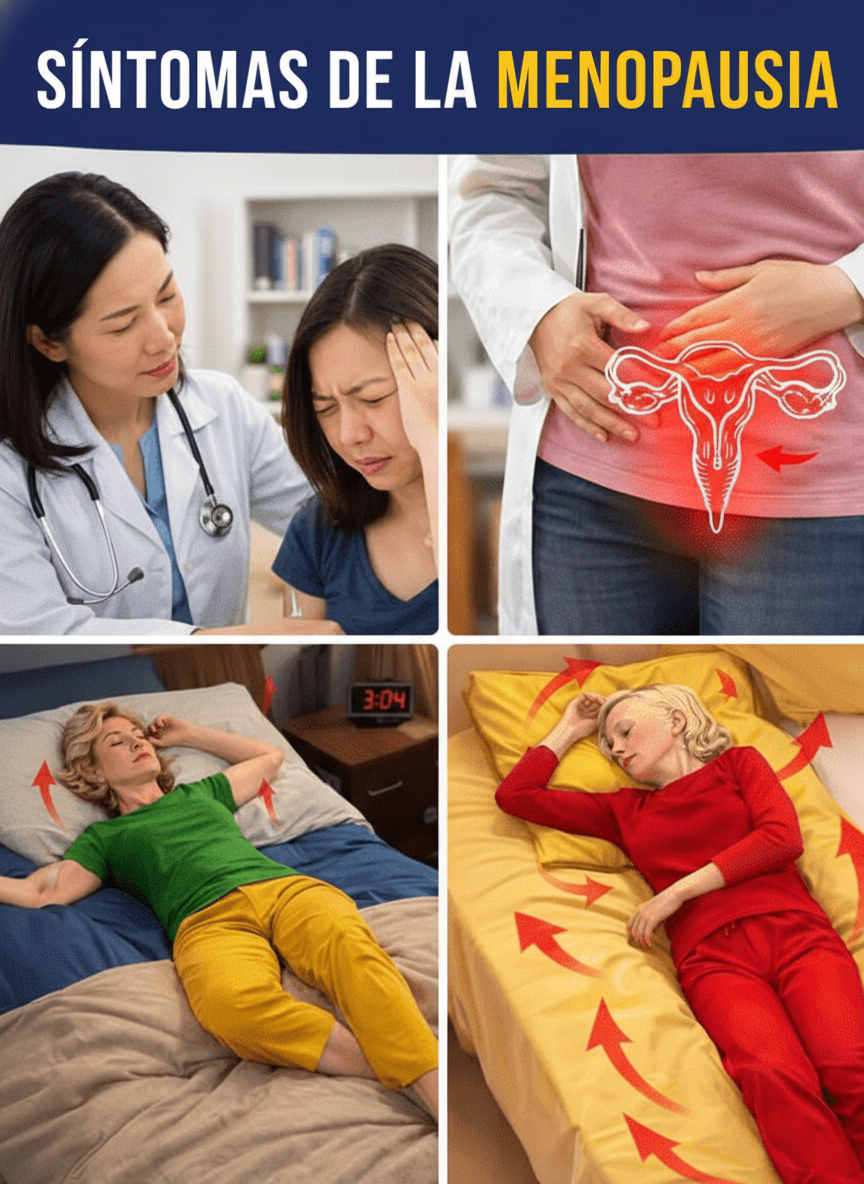
In clinics, many women describe it as a sudden feeling of being “on fire.” This phenomenon, known as a hot flash, is one of the most classic symptoms of menopause. It typically manifests as:
- Sudden warmth in the face
- Redness in the chest or neck
- Spontaneous sweating
These episodes may only last a few minutes but can occur multiple times a day. Studies show this is linked to declining estrogen levels affecting the body’s thermoregulation center. Interestingly, not every woman experiences severe hot flashes. Lifestyle factors can also influence symptom severity, such as:
- Excessive caffeine
- Spicy foods
- High stress levels
Many doctors therefore advise women to pay attention to their diet and routine around menopause.
3. Insomnia or Waking Up at Night
A common complaint from women seeking advice is, “I’m exhausted during the day, but I just can’t sleep at night.” Insomnia is a frequent challenge during menopause. It can appear as:
- Difficulty falling asleep
- Waking up in the middle of the night
- Lighter, less restorative sleep
Some even wake up due to night sweats. If this persists for several weeks, it can significantly impact daytime energy and mood. Here’s a fact many overlook: sleep quality isn’t solely a hormonal issue; it’s also tied to lifestyle habits. For example:
- Using smartphones before bed
- Drinking coffee late in the evening
- Eating meals too close to bedtime
All these can disrupt sleep. Establishing a regular sleep schedule and relaxing routines often markedly improves sleep quality.
4. Sudden Mood Swings or Irritability
Some women find themselves more easily agitated than before, with minor issues triggering significant emotional fluctuations. This isn’t a personality flaw. Hormonal changes affect neurotransmitters in the brain, such as serotonin, leading to mood shifts. Common expressions include:
- Increased anxiety
- Low mood
- Sudden irritation
However, this doesn’t mean women lose control. Through exercise, social engagement, and relaxation techniques, many can effectively manage their emotions. Here’s a simple tip: a daily 30-minute brisk walk or stroll. Research shows regular exercise helps stabilize mood and improve sleep.
5. Weight Gain and Increased Abdominal Fat
Many women are surprised to find their weight slowly increasing, especially around the abdomen, even without changes in diet. This is linked to metabolic shifts. As we age, muscle mass declines, and the basal metabolic rate (BMR) decreases.
The comparison below can help understand:
| Age Stage | Body Changes |
|---|---|
| 30s | Faster metabolism |
| 40s | Metabolism begins to slow |
| Menopause | Fat more easily accumulates, especially abdominally |
The good news is that you can help maintain a healthy physique through these habits:
- Increase protein intake
- Engage in strength training
- Maintain regular exercise
These methods help preserve muscle mass and metabolism.
6. Vaginal Dryness and Discomfort During Intimacy
This is a topic many women feel uncomfortable discussing, yet it’s incredibly common. As estrogen levels decline, the vaginal lining can become thinner and drier. This may lead to:
- Dryness sensation
- Mild irritation
- Discomfort during intimate relations
Many women, as a result, avoid intimacy or experience a dip in self-confidence. However, appropriate moisturizing products and doctor-recommended care can significantly help. It’s crucial not to ignore this issue.
7. Decreased Memory or Difficulty Concentrating (Brain Fog)
Some women describe a feeling of their “brain being in a fog.” This phenomenon is often called brain fog. It can include:
- Suddenly forgetting things
- Reduced attention span
- Slower processing speed
Studies suggest hormonal changes can affect brain function, but this is usually temporary. Maintaining the following habits can help improve it:
- Adequate sleep
- Reading or learning new skills
- Regular exercise
Just like muscles, the brain needs continuous stimulation.
8. Night Sweats and Body Temperature Fluctuations
Night sweats often occur alongside hot flashes. Many women wake up in the middle of the night to find their clothes or pillows drenched. This not only disrupts sleep but also leads to fatigue the next day. The following methods may help reduce nighttime discomfort:
- Keep the bedroom cool
- Choose breathable bedding
- Avoid spicy foods before bed
These small changes can often bring unexpected improvements.
9. Changes in Libido and Decreased Energy
Some women notice their energy levels aren’t as robust as before, and their libido might also change. This is influenced by hormones, sleep, and stress. But remember, this isn’t an inevitable consequence of aging. Through the following lifestyle choices, many women can maintain vitality:
- Balanced diet
- Regular exercise
- Adequate sleep
These habits are vital for overall health.
Everyday Habits You Can Start Immediately
If you’re experiencing any of these changes, you can begin with these steps:
- Establish a consistent sleep schedule
- Engage in at least 30 minutes of exercise daily
- Increase your intake of vegetables and protein
- Reduce high-sugar and processed foods
- Maintain social activities and hobbies
These seemingly simple habits are crucial for your body’s adjustment. Research shows that a healthy lifestyle can help women navigate menopause more smoothly.
Conclusion
Menopause is not a disease but a natural stage in a woman’s life. Understanding your body’s signals and establishing good lifestyle habits can help you face this transition with greater ease. If symptoms significantly impact your quality of life, discussing them with a healthcare professional is also an important step.
Frequently Asked Questions (FAQ)
- When does menopause usually start? Most women enter menopause between 45 and 55, but individual circumstances vary.
- Will I definitely have hot flashes during menopause? Not necessarily. Some women experience almost no hot flashes, while for others, they are more pronounced.
- How long do menopause symptoms last? Many women’s symptoms last for several years, but as the body gradually adapts to hormonal changes, symptoms typically lessen.
Medical Disclaimer
The content of this article is for general health information purposes only and should not replace professional medical advice. If you have persistent discomfort or health concerns, it is recommended to consult a qualified healthcare professional.
”
}
“`