 By admin
 The Viral ‘Yeast + Yogurt’ Mask: Dermatologists Debunk Wrinkle Myths
Have you scrolled through social media lately and seen a photo of someone, perhaps resembling a doctor, holding yeast granules with text promising “wrinkles gone in 3 minutes,” even for “70-year-olds”? Many of us feel a pang of curiosity, perhaps even a little embarrassed to admit we’re intrigued. The truth is, such home remedies go viral daily, luring us in with the hope of quick fixes. But relying on these rapid solutions might cause us to overlook the truly beneficial habits for our skin. Like a trusted family doctor, I’ll guide you through this trending topic and reveal the essential skincare principles most people miss.
What’s Behind the Viral Yeast + Yogurt Mask?
Recently, a “yeast and yogurt mask” has taken social media by storm, with countless posts claiming it delivers smoother skin in just minutes. On the surface, this method seems appealing: simple ingredients, easy to make at home, and seemingly all-natural. But let’s pause before buying into the hype.
The core of these recipes typically involves two main ingredients:
- Yeast powder
- Yogurt
Many posts suggest these two components can make skin look “instantly younger.” However, from a dermatological perspective, the reality is far more complex.
Yogurt’s Potential Role in Skincare
Yogurt contains lactic acid, a mild alpha hydroxy acid (AHA) often found in professional skincare products. Research suggests lactic acid may offer several benefits:
- Gentle exfoliation of dead skin cells
- Smoother skin surface appearance
- Temporary boost in hydration
It’s crucial to understand that these effects are generally temporary and superficial. They do not alter the skin’s underlying structure.
Yeast’s Role in Skincare
Yeast is rich in:
- B vitamins
- Amino acids
- Trace minerals
Indeed, some skincare products incorporate yeast extracts because they may help maintain a healthy skin barrier. However, it’s important to note that yeast used in professional skincare is typically specially processed and extracted. Applying edible yeast directly to the face may not yield the same results. In essence, DIY recipes and laboratory-formulated ingredients are two different things. But this isn’t even the most critical issue. The following point is key.
Why Wrinkles Can’t Vanish in 3 Minutes
When people encounter claims of “rapid wrinkle removal,” they often overlook a fundamental question: How do wrinkles form in the first place? Simply put, wrinkles aren’t just a surface phenomenon; they are deeply connected to the skin’s internal structure.
The skin consists of three primary layers:
- Epidermis
- Dermis
- Subcutaneous tissue
The true culprits behind wrinkles are the collagen and elastin proteins in the dermis. As we age, these vital structures gradually diminish. Studies indicate that after age 30, the human body’s collagen production decreases by approximately 1% each year. When collagen levels drop, the skin’s structural support weakens, leading to the formation of wrinkles.
Therefore, remember this crucial concept: No topical mask can significantly alter the dermal layer in just a few minutes. This is why medical aesthetic treatments typically require:
- Long-term consistent care
- Professional procedures
- Lifestyle adjustments
to show noticeable improvements. What appears as “3-minute wrinkle elimination” is more likely a temporary visual effect, such as skin appearing smoother due to hydration, or light reflection making lines less noticeable. This does not mean wrinkles have truly disappeared.
Three Common Tactics of Online Beauty Trends
If you frequently consume health content, you might notice a pattern: many viral posts share similar structures, often falling into three categories.
1. The “Looks Like a Doctor” Facade
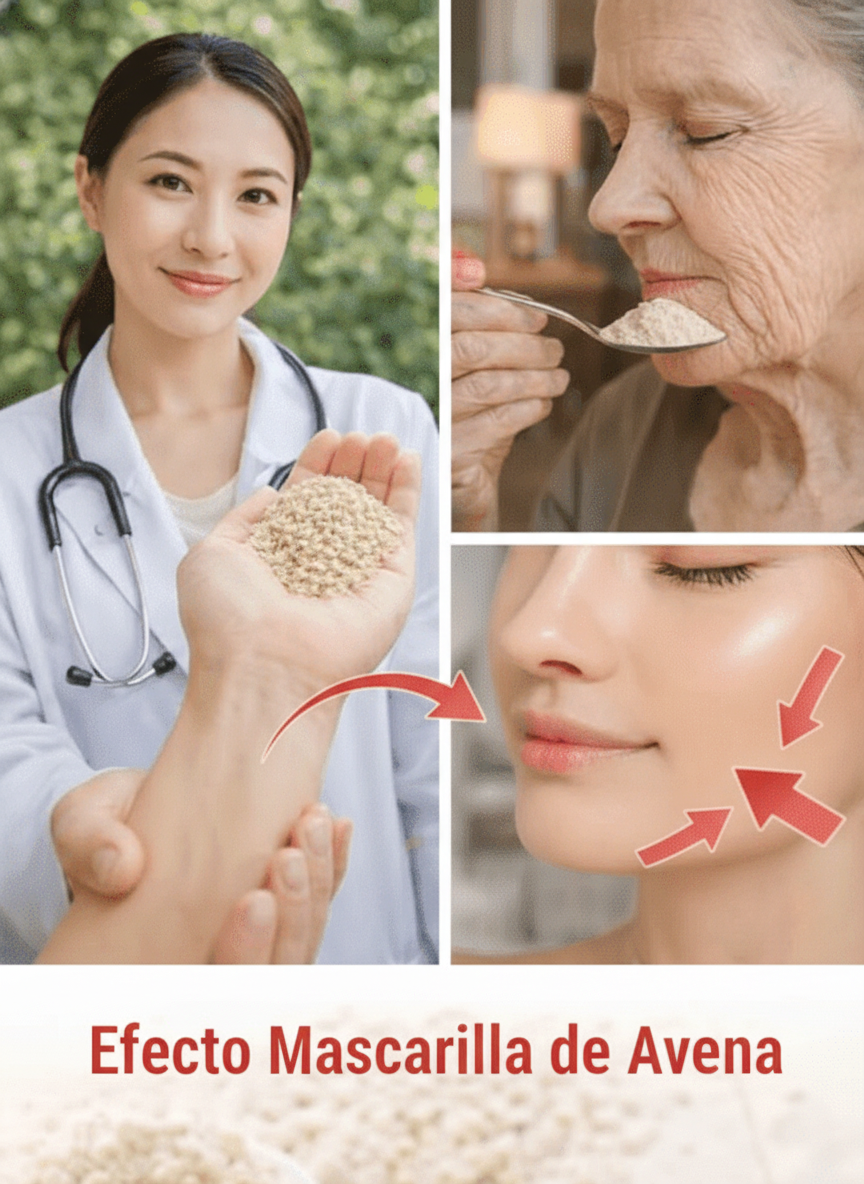
Many posts feature a photo of someone in a white coat, perhaps with a stethoscope, leading viewers to believe a doctor is endorsing the product. In reality, these are often models. This tactic solely aims to boost credibility.
2. The “Natural Miracle” Narrative
Posts frequently use phrases like “ancient recipe,” “natural secret,” or “grandmother’s method.” Such language easily builds trust. However, “natural” doesn’t automatically mean effective, nor does it mean suitable for everyone.
3. The “Engagement Bait” Strategy
You might have seen lines like “Comment to see the full recipe” or “Recipe in the first comment.” This is a common social media engagement tactic designed to increase visibility and reach. So, when you encounter such content, take a moment to pause. Don’t rush to believe it.
Dermatologist-Recommended Daily Skincare Habits
At this point, you might be asking, “What methods are truly reliable?” The answer from most dermatologists is surprisingly simple: It’s not about magical formulas, but about consistent, long-term habits. Here are several skincare principles supported by extensive research:
- Daily Sun Protection: UV radiation is a major cause of skin aging. Chronic sun exposure accelerates collagen loss, pigmentation, and fine lines. So, even on cloudy days, use sunscreen.
- Regular Hydration: A healthy skin barrier requires moisture. When skin is dry, fine lines appear more pronounced. Simple moisturizers can significantly improve many people’s skin appearance.
- Gentle Exfoliation: Moderate exfoliation can aid skin renewal. But remember, over-exfoliating can damage the skin.
- Healthy Lifestyle: Skin condition is closely linked to lifestyle habits, including adequate sleep, a balanced diet, sufficient water intake, and reduced smoking. These seemingly ordinary habits are often more impactful than many quick-fix remedies.
A Simple Comparison
| Skincare Method | Short-Term Effect | Long-Term Benefit |
|---|---|---|
| Natural DIY Mask | Possibly temporary smoothness | Limited effectiveness |
| Regular Sun Protection | Not immediately obvious | Significant reduction in aging |
| Adequate Sleep | Improved mental state | Aids skin repair |
| Balanced Diet | Overall health improvement | Supports skin structure |
Upon reviewing this, you might realize something: truly effective methods are often less dramatic but far more reliable.
Safety Tips for Trying DIY Natural Masks
If you still wish to try natural masks at home, that’s perfectly fine. Just keep a few safety principles in mind.
First, always perform a patch test. It’s simple: apply a small amount to your wrist or behind your ear and wait 24 hours. If there’s no redness, stinging, or itching, then consider using it on your face.
Additionally, avoid daily use. Many DIY masks can be quite potent. Once a week is usually sufficient. Another crucial point: if your skin is naturally sensitive or you’re using prescription skincare products, it’s best to consult a professional first. Safety always outweighs trends.
Conclusion
While natural yeast and yogurt masks might offer temporary hydrating or smoothing effects, there’s currently no reliable evidence that they can rapidly eliminate wrinkles. True skin changes stem from long-term lifestyle habits and consistent care, not from short-term miracle formulas. Investing time in establishing a stable skincare routine is far more beneficial than chasing viral online remedies.
Frequently Asked Questions (FAQ)
- Can the yeast and yogurt mask be used daily?
- Generally, daily use is not recommended. Overuse might make your skin sensitive or dry. Once a week is usually sufficient.
- Are natural masks always safer than commercial skincare products?
- Not necessarily. Natural ingredients can also cause allergic reactions, so a patch test is recommended before use.
- Do 70-year-olds still need skincare?
- Absolutely. Appropriate hydration, sun protection, and healthy lifestyle habits can help maintain skin health and comfort at any age.
Disclaimer
This article provides general health information only and should not replace professional medical advice. For skin concerns or specific conditions, please consult a qualified healthcare professional.