 By admin
 Heavy, Swollen Legs? The Overlooked Circulation Habits & Natural Remedies You Need to Know
You finally kick off your shoes and settle onto the couch after a long day, only to realize your legs feel heavy, swollen, and perhaps a little achy. This is a common experience for many, often dismissed with a quick rub and some rest. However, consistently ignoring poor leg circulation can lead to more persistent discomfort. The good news is that certain lifestyle habits and natural remedies can significantly improve your body’s blood flow. And stick around, because we’ll reveal one simple daily habit that many overlook, yet it might be more impactful than any herb.
Your Body’s Subtle Warning Signs
For many, long working hours, extensive commutes, and prolonged periods of sitting or standing are part of daily life. It’s no wonder leg discomfort is so prevalent. Common sensations include:
- Heavy legs
- Tight calves
- Slightly swollen ankles
- Stiffness when standing after prolonged sitting
While it’s easy to attribute these to mere fatigue, these signals often indicate a slowdown in blood circulation. Research suggests that prolonged inactivity affects venous return, causing blood flow in the legs to become sluggish, leading to that heavy feeling. If these lifestyle factors remain unchanged, the discomfort can become more frequent. Essentially, your body is urging you to make adjustments.
Why Leg Circulation Often Suffers
Our legs perform vital functions beyond just supporting our body weight; they also play a crucial role in returning blood to the heart. However, the leg veins rely on muscle activity to pump blood upwards. If these muscles remain inactive for extended periods, blood flow can stagnate. Common contributing factors include:
- Prolonged desk work
- Excessive smartphone use (leading to prolonged sitting)
- Lack of regular exercise
- Weight gain
- Insufficient sleep
- A diet high in fatty foods
Studies consistently show that regular physical activity significantly improves blood circulation and reduces leg discomfort. Circulation issues rarely appear overnight; they are often the cumulative result of daily habits. This is why many healthcare professionals first recommend lifestyle modifications.
Do Natural Herbs Really Help?
The internet abounds with discussions about herbs that support blood circulation, such as perilla leaves, ginger, garlic, turmeric, and ginkgo biloba. Many incorporate them into their diet or consume them as teas. These plants gain attention because some studies indicate they contain natural phytochemicals that may support normal circulation and metabolism.
For instance:
- Garlic contains sulfur compounds.
- Ginger contains gingerols.
- Turmeric contains curcumin.
These compounds are often associated with antioxidant or anti-inflammatory properties. However, it’s crucial to understand that while these natural ingredients can be a beneficial part of a healthy lifestyle, they are not a substitute for medical advice or treatment.
Everyday Habits for Better Circulation
Many believe complex supplements are the answer, but often, the most effective solutions are the simplest daily habits. Multiple studies highlight the following as key to maintaining healthy blood circulation:
- Daily Walking: Even 20-30 minutes can make a difference.
- Regular Movement: Stand up and move around every 30-60 minutes.
- Calf Stretches: Gently stretch your calf muscles.
- Leg Elevation: Elevate your legs while resting, especially before bed.
- Hydration: Drink plenty of water throughout the day.
- Footwear: Ensure your shoes are comfortable and not too tight, as ill-fitting footwear can impede circulation.
Simple Herbal Drinks to Try
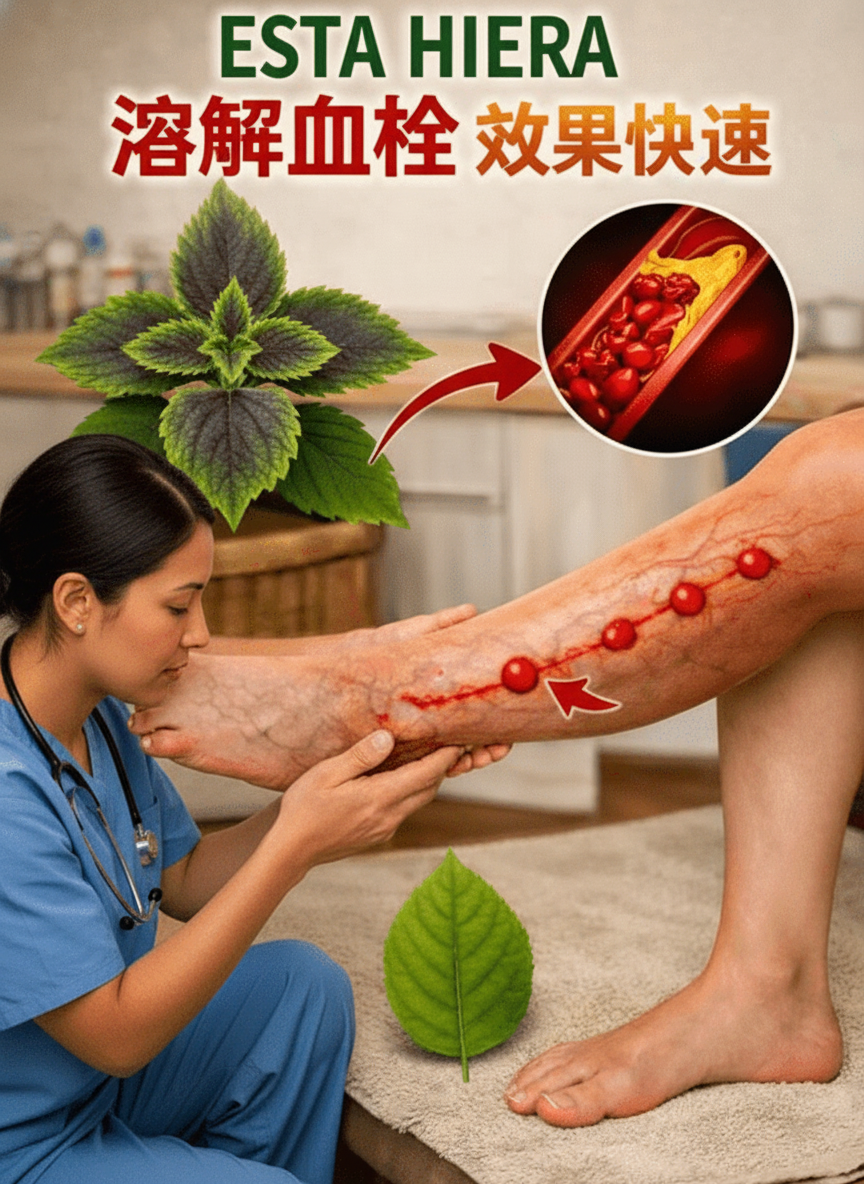
If you enjoy natural beverages, consider incorporating simple herbal teas into your routine. They don’t require complex ingredients:
- Ginger Tea: Slice fresh ginger, add to hot water, steep for 5-10 minutes. A little honey can enhance the flavor.
- Perilla Leaf Tea: Steep perilla leaves in hot water for 5 minutes.
These drinks are often seen as gentle daily wellness aids, primarily helping with relaxation and hydration, not as medical treatments.
The One Circulation Habit Many Overlook
This is a habit almost everyone can do daily, yet it’s frequently forgotten: Ankle Movement.
Yes, simple ankle rotations! While sitting, try these:
- Flex your feet up and down.
- Rotate your ankles in circles.
- Gently stretch your calves.
Perform these for a few minutes each day. Research refers to the calf muscles as the “second heart” because they play a vital role in pumping blood back to the heart. When your calf muscles are active, venous blood flow significantly increases. This is why doctors often advise passengers to move their ankles during long flights. It’s simple, safe, and accessible to almost everyone.
5 Immediate Actions for Happier Legs
Improving leg comfort can start today. Here are simple, doctor-recommended steps:
- Walk at least 20-30 minutes daily.
- Stand up and move for 3 minutes every hour.
- Reduce prolonged periods of sitting (especially with screens).
- Elevate your legs for 10 minutes before sleep.
- Drink plenty of water to stay hydrated.
Combining these with a balanced diet and natural ingredients will likely yield even better results.
Conclusion
Heavy and swollen legs are a common modern complaint. Prolonged sitting, lack of activity, and daily stress can all impair circulation. While natural herbs like ginger, garlic, or perilla leaves can be a supportive part of your daily wellness routine, the most significant impact comes from consistent lifestyle habits. Regular activity, walking, simple stretches, and staying hydrated are often far more crucial than expensive supplements.
Frequently Asked Questions (FAQ)
- Q1: Do heavy legs always indicate poor blood circulation?
- Not necessarily. Prolonged standing or sitting can cause temporary discomfort. If symptoms persist or are accompanied by pain and swelling, seek professional medical advice.
- Q2: Can natural herbs truly improve circulation?
- Some studies suggest certain herbs contain antioxidant compounds that may support normal circulation. However, they should be part of a healthy diet, not a medical alternative.
- Q3: How much daily walking is beneficial for legs?
- Most health guidelines recommend 30 minutes of light to moderate walking daily for overall circulation and cardiovascular health.
Disclaimer: This article provides general health information and lifestyle advice and is not a substitute for professional medical diagnosis or treatment. If you have persistent discomfort or health concerns, please consult a qualified healthcare professional.
”
}
“`