 By admin
 Staring closely in the mirror, noticing rough patches, excessive shine, or those undeniably visible pores on your nose and cheeks can be incredibly frustrating. Many feel self-conscious going makeup-free or even avoid photos in good lighting because every skin texture seems amplified. Worse still, in the quest for a quick fix, people often resort to aggressive home remedies that irritate the skin, making imperfections even more pronounced.
The good news? Safer, more effective ways exist to improve the appearance of your pores. And by the end of this article, we’ll reveal the most common mistake that almost always sabotages results.
Understanding Your Pores: The Real Story
Let’s debunk a popular myth: pores don’t “open” or “close” like doors. This widely circulated idea doesn’t accurately describe what happens to your skin. What does happen is that pores can appear more noticeable due to several factors: excess oil, accumulation of dead skin cells, dehydration, sun damage, or loss of skin firmness over time.
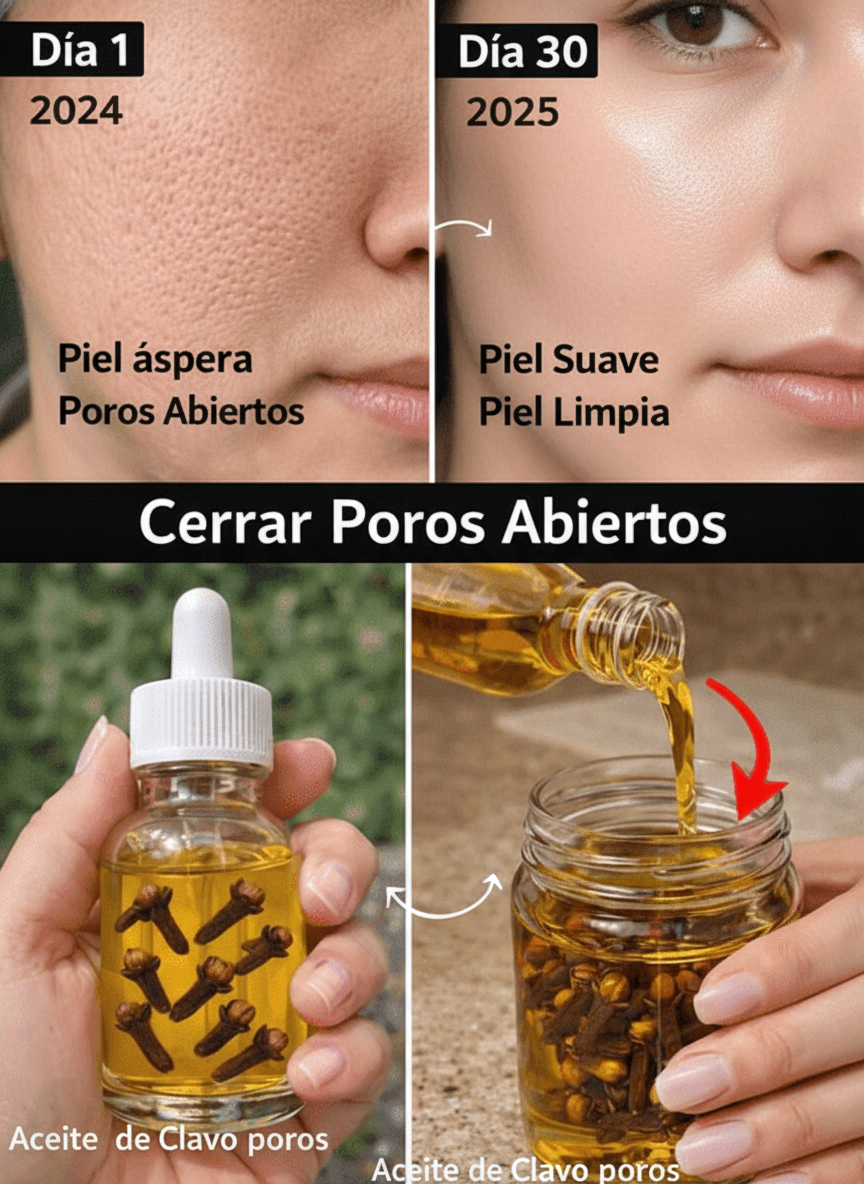
In essence, the true goal isn’t to “close” them, but to make them look less visible and achieve a more uniform skin texture. It’s important to remember that while many viral clove recipes promise radical changes in 30 days, the reality is more nuanced: natural ingredients can be part of a skincare routine, but they aren’t magic bullets and cannot replace fundamental, well-executed habits.
Clove in Skincare: Hype or Help?
Clove contains aromatic compounds and antioxidants, making it an intriguing ingredient for homemade beauty remedies. Some infuse it into oil or water for artisanal concoctions. However, it needs to be said clearly: just because an ingredient is natural doesn’t mean it’s gentle on your face.
Clove can be quite irritating, especially for sensitive skin, those with rosacea, dry skin, or when used in high concentrations. The crucial takeaway here is that clove should not be the star of a well-designed skincare routine. If you choose to experiment with a clove preparation, proceed with extreme caution, avoiding direct or concentrated application on your face.
Habits That Worsen Pore Appearance
Before diving into remedies, it’s vital to review the habits that make your skin texture, and consequently your pores, more visible. These common mistakes can derail your efforts:
- Sleeping with makeup or sunscreen residue.
- Washing your face too many times a day.
- Using harsh body soaps or aggressive products on your face.
- Squeezing blackheads with your fingernails.
- Neglecting daily sunscreen application.
- Applying heavy oils without knowing if your skin tolerates them.
- Trying new homemade concoctions every week.
These might seem minor, but they’re not. Irritated skin leads to further imbalance, and this imbalance makes pores appear more prominent.
Clove and Your Face: Potential Perks vs. Real Risks
Many are drawn to the idea of a clove-infused oil because it seems simple, economical, and “natural.” In practice, however, there are both upsides and downsides:
- Clove Infusions: May offer an aromatic sensation and appeal to DIY cosmetic enthusiasts. However, they can irritate or sensitize the skin.
- Homemade Oils: Might provide momentary softness. But they can feel heavy and potentially clog pores on oily skin types.
- Consistent Routine: Leads to gradual improvement in overall appearance. Yet, visible results take time and patience.
- Gentle Exfoliation: Helps remove dead skin cells. But over-exfoliating can worsen skin texture and pore visibility.
So, is it worth trying? Yes, but only as a complement and with realistic expectations. The truth is, visible skin improvement almost always stems from a combination of gentle cleansing, adequate hydration, daily sun protection, and patience – not from a single miraculous bottle.
If you still wish to experiment with a homemade clove preparation, do so with the utmost prudence.
How to Use a Clove Cosmetic Infusion More Safely
Step 1: Never Use Pure Essential Oil Directly. This is the mistake that causes the most problems. Clove essential oil is incredibly potent and can severely irritate facial skin. The safest approach is to avoid applying it neat. If you insist on incorporating clove into a cosmetic blend, it must be extremely diluted and preferably for a patch test, not immediate daily use.
Step 2: Always Perform a Patch Test. Apply a tiny amount to the inside of your forearm or behind your ear and wait 24 hours. If you experience burning, redness, itching, or any discomfort, discontinue use immediately.