 By admin
 The Overlooked Garden Plant: Can Horsetail Offer Everyday Joint Support?
Imagine years spent diligently pulling a common plant from your garden, dismissing it as a mere weed. Then, you overhear neighbors discussing how that very plant has been traditionally revered for general wellness, particularly in herbal teas. Suddenly, you’re left wondering: have you been discarding a hidden treasure all along?
This moment of surprising realization is more common than you think. Many humble plants, growing in plain sight, boast rich histories in folk traditions. And one such plant might just be flourishing in your own backyard. Before you rush out, let’s explore what this plant is, its traditional uses, and what modern science suggests.
What is Horsetail and Why the Buzz?
The plant in question is widely known as horsetail, or Equisetum arvense. A true ancient, it has thrived on Earth for millions of years, making it one of the oldest plant species still alive. You’ve likely seen its distinctive tall, green stems—resembling miniature pine trees or bottle brushes—in gardens, fields, or moist areas, without ever knowing its name.
For centuries, traditional herbal cultures across parts of Europe and Asia have incorporated horsetail into teas and infusions. Historically, it was associated with general wellness practices, notably those concerning bones, joints, and skin. Its appeal stems from several key aspects:
- It naturally contains silica, a mineral linked to connective tissue health.
- It has been a staple in traditional herbal teas for various purposes.
- Some individuals integrate it into their wellness routines aimed at maintaining mobility.
However, it’s crucial to understand: traditional herbal practices do not automatically equate to medical evidence. While horsetail contains intriguing compounds, it should always be approached with caution and used responsibly.
Why Horsetail Captures the Attention of Older Adults
As we age, our bodies naturally undergo changes. Joints may feel stiffer, and muscles might take longer to recover. Everyday activities like gardening, walking, or prolonged standing can suddenly feel different. Many older adults express a simple, yet profound, desire: “I just want to stay active and comfortable.” This is entirely understandable.
Research in nutrition and aging highlights several factors vital for maintaining connective tissue and joint comfort over time:
- Consistent daily movement and stretching
- Adequate hydration
- Balanced mineral intake
- Healthy sleep patterns
- Reduced inflammation through lifestyle habits
For some, exploring herbal teas like horsetail becomes part of a broader wellness routine, complementing, not replacing, medical care. However, a common misconception arises: the assumption that “natural” automatically means “risk-free.” This oversight can lead to problems if herbs are used without proper awareness or professional guidance.
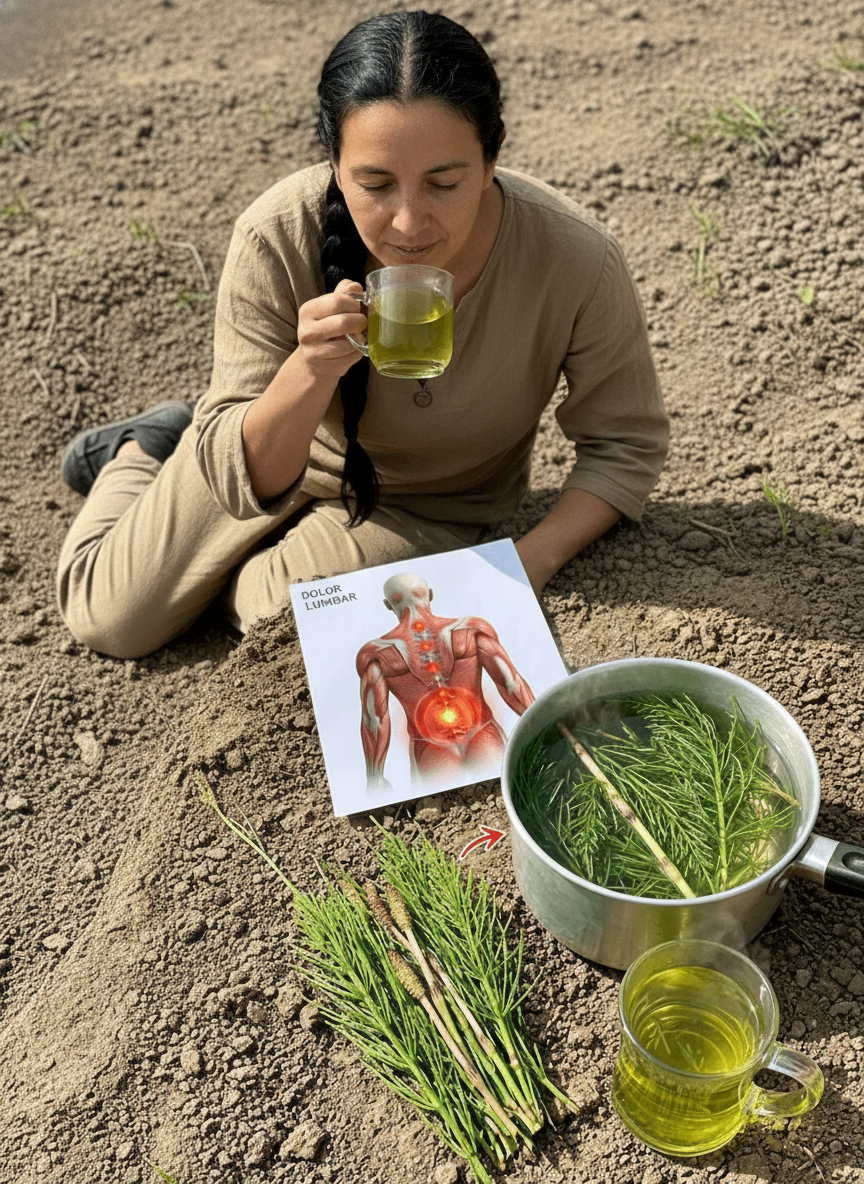
Understanding Traditional Horsetail Tea Preparation
In traditional herbal practices, horsetail was typically prepared as a simple tea. The process is straightforward, though methods can vary regionally. A common traditional approach involves:
- Rinsing fresh or dried horsetail stems thoroughly.
- Placing a small amount into hot water.
- Allowing it to steep for approximately 10 to 15 minutes.
- Straining the liquid before drinking.
Many describe the taste as earthy and mild. Yet, the most vital aspect isn’t the flavor, but rather moderation and awareness. Herbs can interact with medications or existing health conditions, making informed use paramount.
To offer clarity, here’s a helpful comparison:
| Aspect | Traditional Perspective | Modern Health Perspective |
|---|---|---|
| Purpose | General wellness tea | Not a medical treatment |
| Usage | Small amounts in infusions | Should be used cautiously |
| Evidence | Historical use | Limited clinical research |
| Safety | Depends on preparation | Consult professionals if unsure |
So, while horsetail presents an interesting natural compound, it must always be viewed through a balanced, informed lens.
Foundational Habits for Lasting Joint Comfort
Here’s the truth I share with nearly every patient: no single plant or tea can replace consistent healthy daily habits. If your goal is to maintain comfort and mobility as you age, the fundamentals are far more impactful. Start with these simple, yet powerful, habits:
- Gentle daily movement: Even light walking for 20 minutes can significantly boost circulation and flexibility.
- Simple stretching routines: Focus on key areas like your hips and back to improve range of motion and reduce stiffness.
Embrace curiosity about nature’s offerings, but always prioritize proven health practices and seek professional advice for any health concerns or before incorporating new herbal remedies into your routine.