 By admin
 The Unspoken Discomforts of Aging: Finding Natural Support
That familiar feeling—lingering in the bathroom, a weaker stream, or those disruptive nighttime trips. Urinary discomforts, particularly related to bladder and prostate health, are often a quiet struggle for many adults as they age. It can be embarrassing, frustrating, and even a little concerning. But what if a simple, everyday food could offer a helping hand?
While these changes are common, understanding their roots and exploring natural avenues for support can make a significant difference. And surprisingly, one unassuming seed often found in your kitchen might hold some valuable secrets, especially when it comes to supporting urinary well-being.
Why Bladder and Prostate Changes Are Common After 50
As we get older, our bodies naturally evolve. For men, the prostate gland often experiences a gradual, natural enlargement. This can subtly press against the bladder or urethra, potentially affecting urine flow and leading to common symptoms such as:
- Increased frequency of urination
- Waking up at night to urinate (nocturia)
- A weaker or interrupted urine stream
- A sensation that the bladder isn’t fully empty
While these experiences can be uncomfortable, it’s important to remember they don’t automatically signal a serious condition. Research suggests that lifestyle factors, including diet, hydration, and physical activity, play a crucial role in maintaining bladder and prostate comfort with age. And certain foods, rich in specific nutrients, may offer subtle support to these vital systems.
Pumpkin Seeds: A Nutritional Powerhouse for Urinary Health
Don’t let their small size fool you—pumpkin seeds (also known as pepitas) are packed with an impressive array of nutrients. These flat, green gems contain a unique combination of minerals, beneficial plant compounds, and healthy fats that are frequently linked by researchers to urinary and prostate wellness. Key nutrients include:
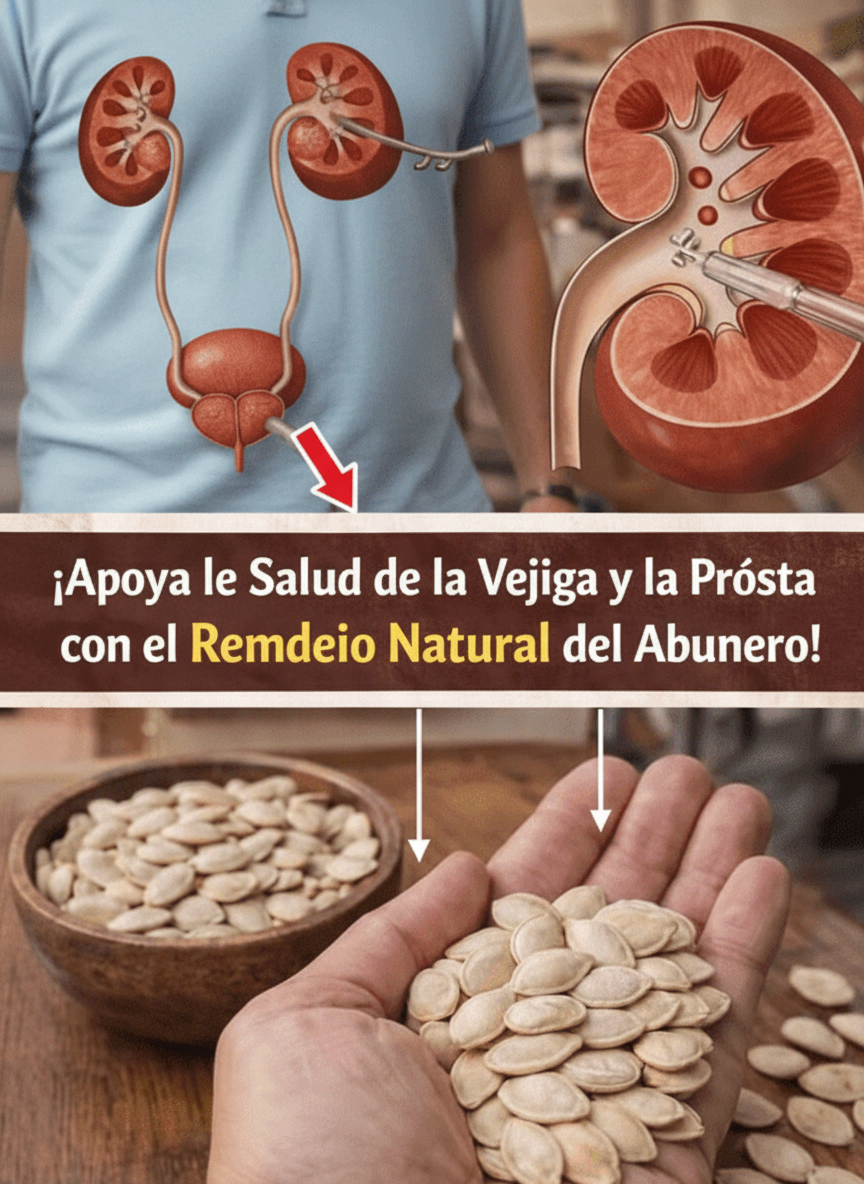
- Zinc: Essential for immune function and plays a significant role in reproductive health.
- Magnesium: Important for muscle and nerve function, including those involved in bladder control.
- Plant Sterols (Phytosterols): Compounds that may contribute to healthy prostate function.
- Antioxidants: Help the body combat oxidative stress and support healthy inflammation responses.
Interestingly, pumpkin seeds have a long history of traditional use in various cultures across Europe and Asia for promoting urinary comfort, often consumed roasted or as an oil. While not a “miracle food,” their consistent inclusion in a balanced diet may contribute to overall wellness in ways scientists continue to explore.
How Pumpkin Seeds May Support Your Urinary System
Current nutritional research offers insights into how compounds in pumpkin seeds may interact with the body to support urinary comfort:
- Prostate Support: Pumpkin seeds are rich in phytosterols, plant compounds structurally similar to cholesterol, which are thought to support healthy prostate function.
- Zinc Concentration: The prostate naturally contains higher concentrations of zinc than many other organs. Pumpkin seeds provide a bioavailable source of this crucial mineral.
- Antioxidant Action: The antioxidants present in pumpkin seeds help manage oxidative stress, which can contribute to maintaining healthy inflammation balance within the body.
It’s vital to understand that pumpkin seeds are a nutritious food, not a medical treatment. However, when incorporated into a healthy lifestyle, they can be a valuable dietary component that supports normal bodily processes. Many individuals report a greater sense of overall well-being when regularly including them in their diet.
Simple Ways to Add Pumpkin Seeds to Your Daily Routine
One of the best things about pumpkin seeds is how easily they fit into everyday meals. You don’t need complex recipes or expensive supplements. Small, consistent additions can make a big difference:
- Breakfast Boost: Sprinkle a small handful over oatmeal, yogurt, or cereal.
- Salad Topper: Add them to salads for a satisfying crunch and nutritional boost.
- Healthy Snacking: Mix with other nuts and seeds for an energy-rich, heart-healthy snack.
- Smoothie Addition: Blend them into your favorite smoothies for extra minerals and healthy fats.
- Roasted Delight: Lightly roast them with a touch of olive oil and your favorite herbs for a savory treat.
Remember, consistency is key. Nutrition experts generally recommend a small handful (about one ounce) per day. And here’s the often-overlooked point: while diet is important, maintaining adequate hydration throughout the day also plays a crucial role in overall bladder comfort and function. Drink plenty of water!
”
}
“`