 By admin
 3 Simple Daily Habits for a Healthy Urinary Tract and UTI Prevention
Have you ever experienced discomfort after intimacy, perhaps even a nagging worry about a potential urinary tract infection (UTI)? This situation is far from uncommon. While such discomfort can be unsettling, the good news is that you can significantly reduce these risks through a few simple, consistent habits. Let’s explore how easy steps can protect your urinary tract health and keep UTIs at bay.
Why Urinating Immediately After Sex is Crucial
During sexual activity, bacteria can enter the urethra, potentially leading to a urinary tract infection (UTI). To minimize this risk, urinating immediately after sex is an extremely important habit. This action helps to flush out any bacteria from the urethra, reducing their chance of reaching the bladder and causing an infection.
- Flushes Out Bacteria: As bacteria can enter the urethra during sex, urination helps expel these microorganisms from your body.
- Reduces Infection Risk: Studies indicate that post-coital urination can significantly lower the risk of UTIs in women.
- Long-Term Health Protection: Maintaining this habit contributes to your overall urinary tract health and helps prevent future health issues.
Other Essential Tips for Intimate Health
Beyond post-sex urination, several simple daily hygiene practices can help you maintain cleanliness and health in your intimate areas.
- Gentle Cleansing: After sex, gently wash your intimate area with plain water. Avoid using scented or chemical-laden soaps, as these can cause irritation or allergic reactions.
- Wear Breathable Underwear: Choose cotton underwear to keep your intimate area dry and prevent bacterial growth.
- Use Clean Towels: After washing, gently pat dry with a clean towel to avoid creating a moist environment conducive to bacterial proliferation.
How to Cleanse Correctly After Intimacy
To maintain urinary tract health and prevent UTIs, practicing the following correct hygiene habits is paramount:
- Urinate Immediately After Sex: This is the most crucial step, helping to reduce the risk of urinary tract infections.
- Cleanse with Plain Water: After each sexual encounter, gently clean your intimate area using only water, avoiding products with irritating ingredients.
- Avoid Chemical Products: Opt for natural cleansing methods, and steer clear of scented washes or products containing harsh chemicals.
These simple habits can significantly help you maintain intimate health and prevent issues like UTIs.
What Are the Benefits of Maintaining These Habits?
Beyond keeping your urinary tract healthy, these habits offer additional advantages:
- Boosted Confidence: Maintaining a clean and healthy intimate area will make you feel more confident in any situation.
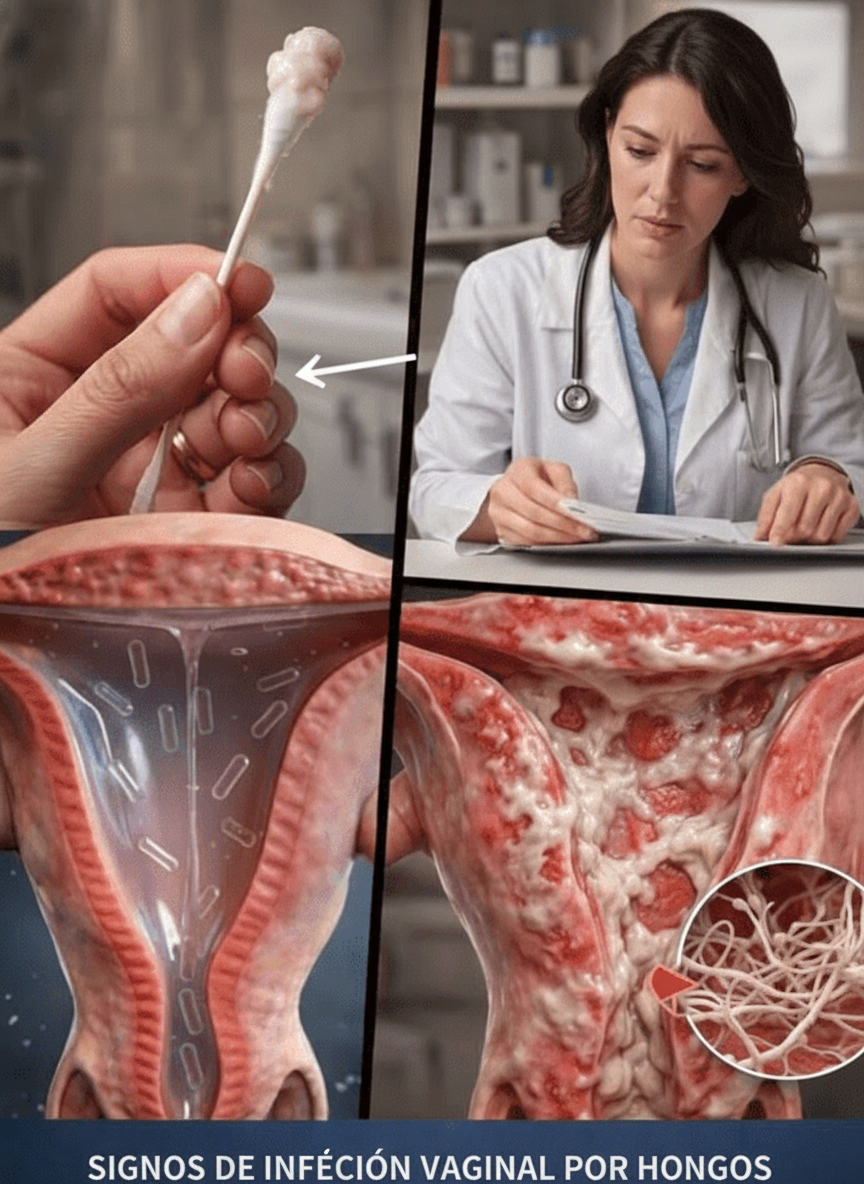
- Prevents Gynecological Issues: These practices help reduce the risk of gynecological conditions such as vaginitis and fungal infections.
- Overall Health Improvement: Intimate hygiene is an integral part of maintaining overall health, contributing to an improved quality of life and holistic well-being.
Conclusion: Urinating after sex and maintaining proper hygiene are simple, effective ways to protect your urinary tract health and reduce the risk of UTIs. Start adopting these good habits today to safeguard your health.
Frequently Asked Questions (FAQ):
- Why is urinating after sex so important?
Urinating after sex helps flush out bacteria from the urethra, thereby reducing the risk of urinary tract infections. - Can I use scented soap to clean my intimate area?
It’s best to avoid soaps containing chemicals or fragrances, as these can cause irritation or allergic reactions. Plain water is the best choice. - Why is choosing cotton underwear so important?
Cotton underwear allows for breathability and keeps the intimate area dry, preventing moisture buildup and helping to reduce the growth of bacteria or fungi.
Disclaimer: This article is for informational purposes only. If you have health concerns, please consult a professional doctor or medical expert.
Share
facebook
twitter
pinterest
More +