 By admin
 Warning: Always Feeling Tired? These Nutrient Deficiencies Could Be Why
Do you constantly feel drained, no matter how much you sleep? This pervasive fatigue might not be random. As we age, our bodies demand more nutrients to maintain optimal health. When you’re constantly exhausted, it could be your body signaling a lack of essential vitamins and minerals. Today, we’ll uncover these hidden causes of fatigue and provide actionable solutions to help you regain your vitality. Discover simple ways to boost your energy levels and feel like yourself again.
Magnesium (Mg): A Key Player in Energy Production
If you frequently experience anxiety, muscle cramps, or struggle with concentration, a magnesium deficiency might be the culprit. Magnesium is a vital mineral crucial for heart health, muscle function, and nerve transmission. Insufficient magnesium can hinder your body’s ability to operate efficiently, leading to persistent tiredness.
Symptoms of Magnesium Deficiency:
- Muscle Cramps: You might notice spasms or tightness in your muscles.
- Persistent Fatigue: Feeling utterly drained despite adequate rest.
- Increased Anxiety: A lack of magnesium can heighten feelings of anxiety and stress.
Food Sources of Magnesium:
- Dark leafy greens, such as spinach.
- Nuts and seeds, including almonds and sunflower seeds.
- Legumes and whole grains.
Solution:
Incorporate magnesium-rich foods into your daily diet. Consult your doctor to discuss whether a magnesium supplement is appropriate for you.
Iron (Fe): When Your Body Lacks Oxygen
Iron deficiency is another common reason for persistent fatigue and low energy. Iron is an essential component of red blood cells, which transport oxygen throughout your body. Without enough iron, oxygen delivery becomes inefficient, resulting in extreme tiredness and shortness of breath.
Symptoms of Iron Deficiency:
- Pale Complexion: Insufficient iron can make your skin appear unusually pale.
- Extreme Fatigue: Feeling unable to recover energy, even with sufficient rest.
- Shortness of Breath: A lack of oxygen supply can leave you feeling breathless.
Food Sources of Iron:
- Red meats, such as beef and lamb.
- Dark leafy greens, like kale and spinach.
- Legumes and nuts.
Solution:
Integrate iron-rich foods into your daily meals. Speak with your doctor about whether additional iron supplementation is necessary.
Vitamin D: The Sunshine Vitamin for Bones and Energy
Vitamin D is crucial for maintaining strong bones and a robust immune system. A deficiency can lead to weakened bones and contribute significantly to feelings of fatigue. It also makes you more susceptible to infections.
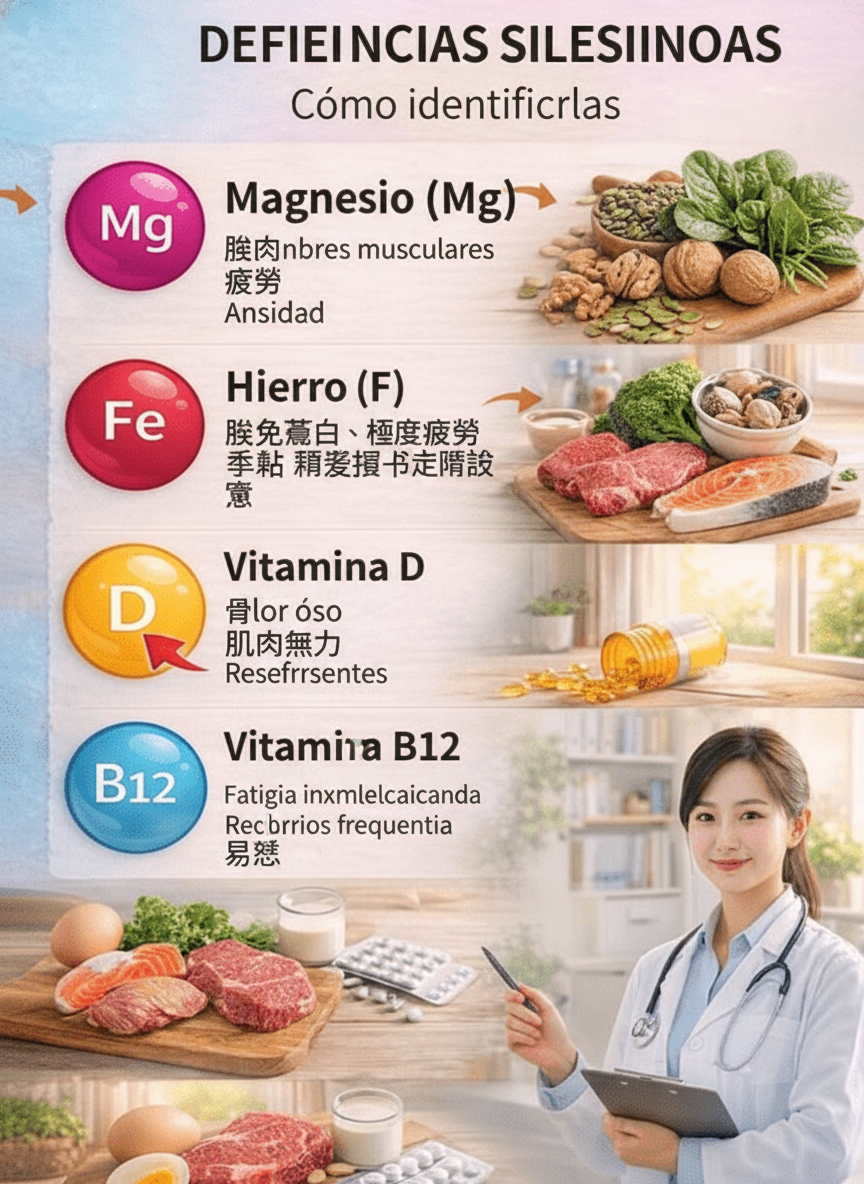
Symptoms of Vitamin D Deficiency:
- Bone Pain: A lack of Vitamin D can cause pain in your joints and bones.
- Muscle Weakness: You might experience generalized muscle weakness, making movement difficult.
- Frequent Infections: A weakened immune system can lead to more frequent illnesses.
Food Sources of Vitamin D:
- Fatty fish, such as salmon and sardines.
- Fortified milk and other dairy products.
- Vitamin D-fortified foods.
Solution:
Ensure adequate daily sun exposure and include Vitamin D-rich foods in your diet. If needed, consult your doctor about supplementation.
Vitamin B12: Essential for Nerve and Blood Health
Vitamin B12 is vital for maintaining a healthy nervous system and blood. A deficiency can leave you feeling weak, emotionally unstable, and unable to concentrate. This could be the underlying reason for your ongoing fatigue and mood disturbances.
Symptoms of Vitamin B12 Deficiency:
- Unexplained Fatigue: Experiencing extreme tiredness without an apparent cause.
- Memory Issues: A lack of Vitamin B12 can impair your memory.
- Mood Swings: You might find yourself easily irritable or feeling depressed.
Food Sources of Vitamin B12:
- Red meat and poultry.
- Fish and seafood.
- Dairy products and eggs.
Solution:
Incorporate Vitamin B12-rich foods into your diet. Vegetarians, in particular, may need to consider additional supplementation.
Conclusion & Frequently Asked Questions (FAQ)
When you’re feeling perpetually tired and listless, it’s often your body sending a warning signal about missing vital nutrients. Deficiencies in Magnesium, Iron, Vitamin D, and Vitamin B12 can profoundly impact your health and energy levels. Start paying attention to your diet today, replenish these essential nutrients, and reclaim your vitality!
Frequently Asked Questions (FAQ):
- Do I need to take Vitamin D supplements?
If you can’t get enough Vitamin D from sunlight or food, supplements might be beneficial. Always consult your doctor before starting any new supplement. - Can iron deficiency make me feel sluggish?
Yes, iron deficiency often leads to feelings of fatigue and a lack of energy. Increasing your iron intake can significantly improve these symptoms. - Can Vitamin B12 improve my mood?
A deficiency in Vitamin B12 can contribute to mood instability. Supplementing B12 can help improve mood and boost energy levels.
Disclaimer: This article is for educational purposes only and does not constitute professional medical advice. Always consult a healthcare professional for any health concerns.