 By admin
 Why Tracking Your Health Data is Crucial: Self-Monitor and Safeguard Your Well-being
Have you ever felt anxious about not knowing your own health numbers? Metrics like blood pressure, blood oxygen levels, or red blood cell count, if not regularly monitored, can have a significant impact on your well-being. This lack of awareness can lead to unease and unnecessary risks. But don’t worry – simple habits can empower you to take control. In this article, we’ll reveal the secrets to integrating these changes and staying healthy!
Why is Tracking Health Data So Important?
Tracking your health data isn’t just about numbers; it’s about empowerment. It enables you to detect subtle changes in your body early, preventing potential health issues before they escalate. For instance, unmonitored fluctuations in blood pressure or oxygen saturation could mask serious conditions like stroke or heart disease. Many of these problems are preventable, provided you have the information to make informed decisions. This proactive approach is especially vital for older adults, allowing for timely adjustments to diet and lifestyle, thereby averting avoidable health crises.
Which Key Health Indicators Should You Monitor?
- Blood Pressure: Regular readings help detect cardiovascular risks like hypertension early.
- Blood Oxygen Levels: A crucial indicator for understanding your respiratory health and immune function.
- Red Blood Cells: Monitoring this can reveal issues such as anemia or other blood-related conditions.
- Vitamin D: Low levels can lead to weakened bones and a compromised immune system. Regular checks help prevent related health problems.
How to Track Your Health Simply and Effectively
You don’t need frequent hospital visits to stay informed about your health. Many vital indicators can be easily monitored from the comfort of your home. Devices like blood pressure monitors, pulse oximeters, and even home Vitamin D test kits can help you stay on top of your body’s changes.
- Step 1: Measure your blood pressure every morning, ideally upon waking.
- Step 2: Use a convenient pulse oximeter to check your blood oxygen levels anytime.
- Step 3: Schedule regular blood tests with your doctor to monitor Vitamin D levels and red blood cell count.
The Powerful Link Between Diet and Your Health Indicators
Adopting excellent dietary habits can dramatically improve your health metrics. Incorporating plenty of vegetables, fruits, and quality proteins will help maintain optimal physical stamina and robust immunity. Furthermore, healthy fats, found in foods like avocados and olive oil, contribute to stable blood pressure.
Recommended Foods:
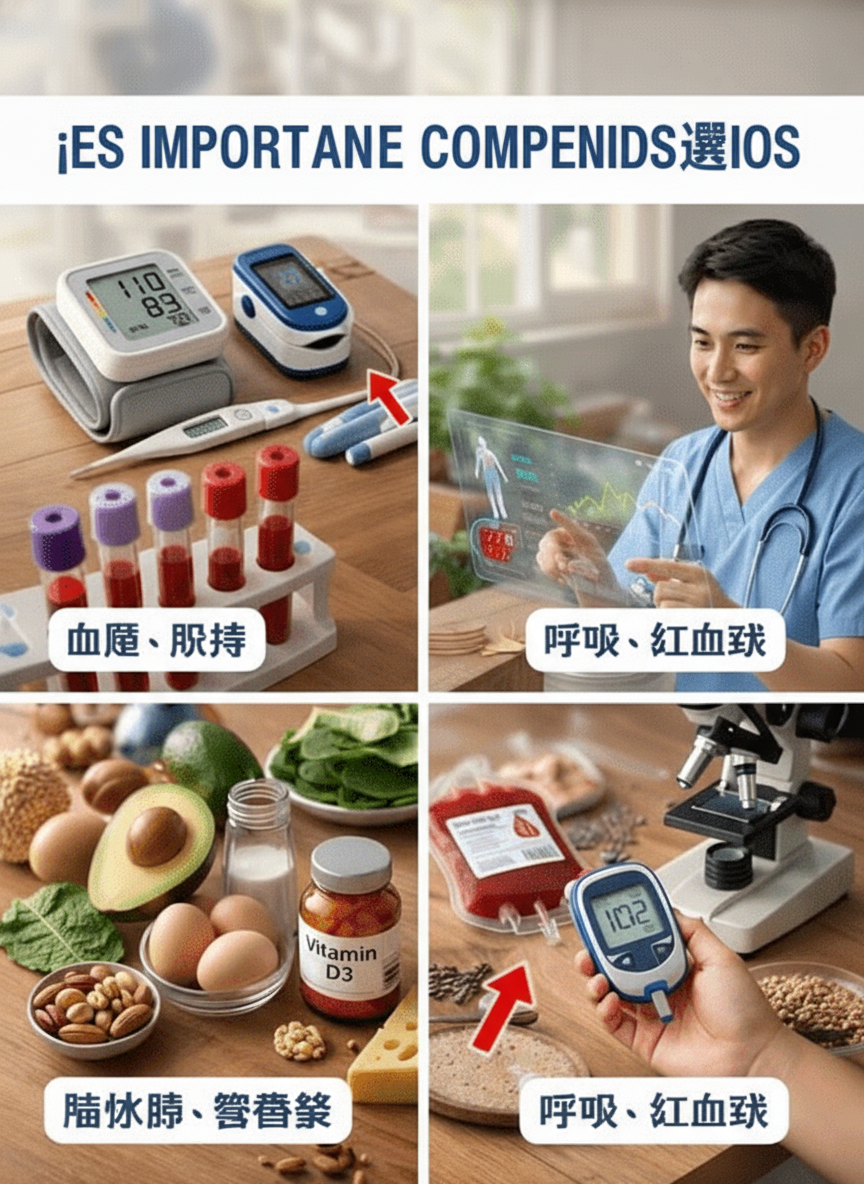
- Fresh Fruits and Vegetables: Rich in vitamins and minerals, they significantly boost your immune system.
- Nuts: Provide essential healthy fats and protein, crucial for heart health.
- Fish and Lean Proteins: Abundant in Omega-3 fatty acids, highly beneficial for cardiovascular well-being.
Cultivate the Habit of Tracking Health Data for a Healthier You
Establishing a routine of monitoring your health data empowers you with a clearer understanding of your body’s changes, allowing for proactive adjustments. This practice not only aids in disease prevention but also strengthens your sense of control over your health, significantly enhancing your quality of life. For seniors, these habits are particularly vital in supporting natural resilience and maintaining vitality.
Actionable Tips:
- Invest in a blood pressure monitor and pulse oximeter, and make daily measurements a habit.
- Schedule annual blood tests to keep track of your Vitamin D and red blood cell counts.
- Enhance your diet by increasing your intake of fruits, vegetables, nuts, and Omega-3 rich foods.
- Maintain a routine of light exercise, such as walking or yoga, to boost your immune system.
Conclusion:
Regularly tracking your health data not only keeps you informed about your body’s changes but also plays a crucial role in preventing potential health issues. Starting today, by focusing on your health metrics and adopting good habits, you’ll discover that the power to manage your well-being truly lies in your hands.
Frequently Asked Questions (FAQ):
- Do I need frequent hospital visits for checks? While regular medical check-ups are essential, you can monitor several basic indicators yourself using home devices and adjust your health management based on these results.
- What are some ways to increase Vitamin D levels? Sun exposure is the most natural source of Vitamin D. You can spend some time outdoors daily or consider taking Vitamin D supplements to boost your levels.
- Can I measure my blood pressure at home? Yes, absolutely! Using an electronic blood pressure monitor at home is a simple and convenient way to track your blood pressure.
Disclaimer: The content of this article is for informational purposes only and should not replace the advice of a medical professional.