 By admin
 As we cross the threshold of 50, many of us start noticing subtle shifts: a new ache when standing, a stiffness after tying shoes, or a general feeling of less ‘bounce.’ While often dismissed as ‘just aging,’ these whispers from our bodies can actually be red flags for deeper issues. The truth is, certain common habits unknowingly erode our bone strength and mobility over time. But here’s the empowering news: recognizing these hidden mistakes is the first step towards reclaiming your vitality. Small, consistent adjustments can make a profound difference, and the last habit might just surprise you.
Mistake 1: Overlooking Early Bone Health Signals
Bone density naturally diminishes as we age, typically starting in our 40s and becoming more pronounced after 50. Yet, many dismiss the initial, subtle signs. These often include:
- Mild back discomfort following simple movements
- Gradual loss of height
- A developing stooped posture or rounded shoulders
- Persistent muscle fatigue
The critical insight? Our daily habits profoundly impact bone strength. Research in aging and bone metabolism highlights how nutrition, physical activity, and sunlight exposure are foundational for maintaining robust bone structure. The danger lies in waiting until a fracture occurs, by which point years of silent weakening have often taken their toll.
Simple Habits to Nurture Bone Strength:
- Embrace the Outdoors: Support natural Vitamin D synthesis by spending time in the sun.
- Prioritize Calcium: Integrate calcium-rich foods like leafy greens, dairy, or fortified alternatives.
- Engage in Gentle Weight-Bearing: Activities such as walking or light resistance training are highly beneficial.
- Fuel with Balance: Ensure a diet rich in protein and essential micronutrients.
Remember, consistency in these habits far outweighs intensity.
Mistake 2: Mindlessly Relying on Supplements
After 50, pharmacy aisles brim with supplements promising bone support, joint health, and overall wellness. Yet, a crucial mistake unfolds here: many take supplements based solely on recommendations or advertisements, without truly understanding their needs.
While certain supplements can be beneficial in specific scenarios, the adage “more is better” rarely applies. Consider these potential pitfalls:
- Excessive intake of specific minerals can disrupt your body’s delicate nutrient balance.
- Certain supplements can dangerously interact with prescription medications.
- High doses may cause digestive distress in sensitive individuals.
Experts in nutrition for older adults consistently advocate a foundational principle: Food first, supplements second.
Supplement Savvy vs. Supplement Stacking:
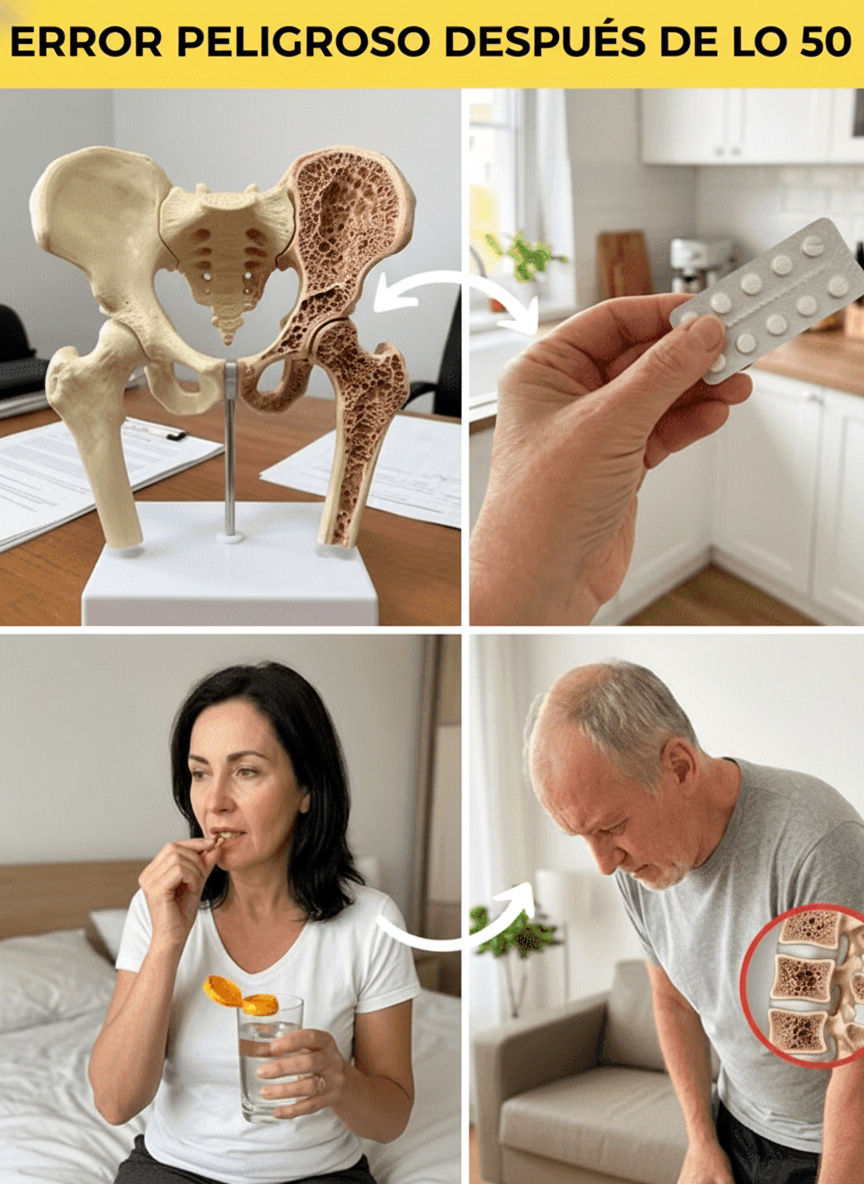
- Balanced Diet (Varied Nutrients): Supports harmonious function across all body systems.
- Random Supplement Stacking: Risks nutrient imbalances and unforeseen side effects.
- Professional Consultation: Ensures a safer, personalized, and effective approach.
This isn’t to say supplements are inherently bad. Rather, they should be chosen thoughtfully and strategically. A vital point often overlooked is that your body optimally absorbs nutrients when they originate from whole, unprocessed foods, integrated with a healthy lifestyle.
Mistake 3: Unknowingly Slipping into Inactivity
Perhaps the most insidious shift after 50 is the gradual decline in physical activity. It rarely happens overnight. You might gradually shorten your walks, opt for elevators over stairs, until sitting becomes your default mode. However, your body reacts swiftly to this lack of movement:
- Muscles begin to weaken.
- Balance becomes less stable, increasing fall risk.
- Joints stiffen, limiting range of motion.
Extensive research on aging populations unequivocally demonstrates that consistent, regular movement is paramount for sustaining mobility, maintaining good posture, and preserving independence. Crucially, this doesn’t necessitate grueling workouts; gentle, consistent activity is often the most effective.
Practical Movement Habits for Over 50:
- Daily Walks: Aim for 20-30 minutes most days.
- Morning Stretch: Incorporate light stretching to improve flexibility.
- Gentle Strength Training: Utilize body weight or resistance bands.
- Balance Drills: Simple exercises like standing on one foot can make a big difference.
Here’s the inspiring takeaway: individuals who maintain moderate activity levels frequently report feeling years younger than their chronological age. This is because robust mobility directly fuels energy, boosts confidence, and safeguards your cherished independence.
Your Path to Healthy Aging Starts Today
Many wonder, “What’s the simplest way to begin?” The answer lies in integrating these small, conscious changes into your daily life. By actively addressing early bone health signals, making informed supplement choices, and prioritizing consistent movement, you can profoundly impact your well-being after 50. It’s not about drastic overhauls, but thoughtful, sustained effort.
A Simple Morning Start:
- Hydrate: Begin your day with a glass of water to kickstart your system.
- Gentle Movement: Dedicate 10 minutes to light stretching to awaken your body.
Embrace these insights, and empower yourself to live your healthiest, most vibrant life beyond 50.