 By admin
 6 Subtle Body Signals Over 40 You Should Never Ignore
It starts subtly. A sudden, unquenchable thirst. Words blurring on a page. Frequent nighttime trips to the bathroom. Initially, these changes might feel like minor annoyances, easily dismissed as ‘just getting older’ or ‘stress.’ But what if your body is trying to tell you something more?
The uncomfortable truth is that your body often whispers before it screams. Many adults overlook early warning signals precisely because they seem ordinary, harmless even. Yet, these seemingly small shifts can be crucial indicators of underlying health concerns that deserve your attention. Understanding them early empowers you to make smarter, proactive health choices.
By the end of this article, you’ll discover six common body signals many people overlook after 40 and why recognizing them could be vital for your long-term well-being.
1. Feeling Hungry All the Time, Even After Eating
Do you often joke about having a ‘big appetite,’ only to find yourself reaching for another snack shortly after a meal? Persistent hunger isn’t always just about cravings; it can be a sign your body is struggling to utilize energy efficiently.
When your body can’t effectively convert sugar into fuel, your cells may act as if they’re starving, even if you’ve just eaten. This can lead to a cycle of constant hunger and intense cravings.
What you might notice:
- Feeling hungry again very soon after finishing a meal.
- Strong cravings for carbohydrates or sugary snacks.
- Experiencing fatigue even after eating.
The Connection: Nutrition research suggests that irregular blood sugar patterns can significantly influence appetite signals in the brain. If glucose isn’t efficiently used for energy, the body may trigger hunger again to seek more fuel.
Helpful habits that may support balanced appetite:
- Include a good source of protein and fiber in every meal.
- Avoid skipping meals, which can lead to overeating later.
- Choose whole, unprocessed foods over ultra-processed snacks.
Small adjustments like these often help stabilize daily energy levels and keep hunger at bay.
2. Persistent Thirst That Never Seems to Go Away
We all get thirsty after exercise, on a hot day, or following a salty meal – that’s completely normal. However, persistent thirst that continues even after drinking plenty of water warrants closer attention.
Many adults report:
- A consistently dry mouth throughout the day.
- Drinking significantly more water than usual.
- Feeling thirsty again shortly after finishing a drink.
Why this can happen: When blood sugar levels remain elevated, your body may attempt to flush out excess sugar through urine. This process can pull extra fluids from your tissues, leading to stronger, more frequent thirst signals. Other factors like dehydration, certain medications, or high sodium intake can also contribute.
Practical hydration tips:
- Drink water steadily throughout the day rather than consuming large amounts at once.
- Limit sugary beverages, which can ironically worsen thirst.
- Incorporate water-rich foods like cucumbers, oranges, and watermelon into your diet.
These simple habits can often support better hydration balance.
3. Blurred Vision While Reading or Using Your Phone
Have you ever started reading something clearly, only to find the words slowly becoming fuzzy? Many people attribute this to ‘aging eyes,’ and while age-related changes are common, fluctuating vision can occasionally be linked to temporary changes in fluid levels within the eye.
Some people notice:
- Words becoming blurry while reading or looking at screens.
- Difficulty focusing on close objects.
- Vision that seems to improve and then worsen throughout the day.
Research Suggests: Fluctuations in blood sugar levels can influence how fluid moves in the eye lens, temporarily affecting its ability to focus. This can lead to periods of blurry vision.
Important Reminder: Blurred vision has many possible causes, including fatigue, eye strain, and normal age-related changes. However, if vision changes appear suddenly or frequently, discussing them with a healthcare professional is always a wise and necessary step.
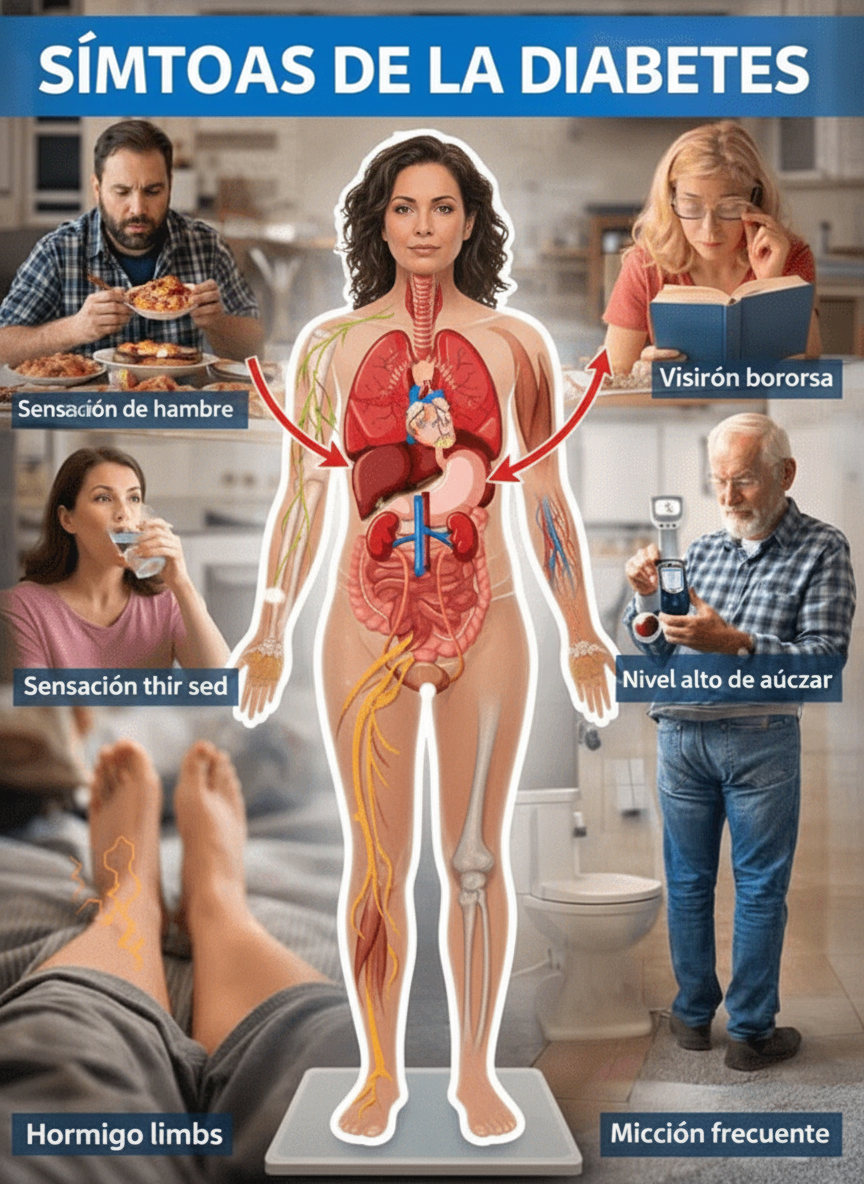
4. Frequent Urination, Especially at Night
While needing the bathroom more often with age is a common joke, when nighttime trips become frequent enough to disrupt your sleep, it’s worth investigating.
Common experiences include:
- Waking up several times during the night to urinate.
- Passing larger amounts of urine than usual.
- Feeling thirsty again shortly after urinating.
The Connection: Similar to persistent thirst, when the body tries to remove excess sugar through urine, increased fluid loss can lead to more frequent bathroom visits. However, frequent urination can also be linked to prostate changes (in men), bladder conditions, or certain medications.
Simple strategies that may help:
- Reduce caffeine and alcohol intake in the evening.
- Avoid consuming large amounts of fluids right before bedtime.
- Maintain regular physical activity, which can improve overall health.
Healthy routines often significantly improve nighttime comfort and sleep quality.
5. Tingling or Numbness in Hands and Feet
This is one of the most commonly overlooked body signals, often dismissed as a foot ‘falling asleep’ or a minor cramp. Many describe it as ‘pins and needles’ or a mild electric sensation, usually in the feet or hands. It might appear occasionally at first, then gradually become more frequent or persistent.
Typical descriptions include:
- A prickling, burning, or ‘pins and needles’ sensation.
- Numbness or reduced ability to feel pain or temperature.
- Weakness in the affected limbs.
What it could mean: These sensations can be signs of nerve damage, medically known as peripheral neuropathy. While various factors can cause neuropathy, consistently high blood sugar levels are a common culprit, leading to damage over time. Other causes can include vitamin deficiencies, certain medications, or other underlying medical conditions.
Don’t ignore it: If you experience persistent tingling, numbness, or pain in your extremities, it’s crucial to consult a doctor. Early diagnosis and management can prevent further nerve damage and address the root cause.
6. Slow-Healing Sores or Cuts
Have you noticed that minor cuts, scrapes, or even insect bites seem to take an unusually long time to heal? What once might have cleared up in a few days now lingers for weeks, or even becomes infected.
What to watch for:
- Cuts or sores that don’t scab over or close within a reasonable timeframe.
- Wounds that appear red, swollen, or ooze pus, indicating infection.
- Repeated infections in the same area.
The Underlying Factor: Poorly controlled blood sugar can impair the body’s natural healing process. High glucose levels can damage blood vessels and nerves, reducing blood flow to the affected area and weakening the immune system’s ability to fight off infection. This creates an environment where wounds struggle to heal and are more susceptible to complications.
Why it’s serious: Slow-healing wounds, especially on the feet, can escalate from minor issues to serious infections if left unaddressed. Prompt medical attention is vital to prevent complications.
Listen to Your Body’s Whispers
Your body is incredibly intelligent, constantly sending signals about its internal state. While these six warning signs can often be attributed to normal aging or minor issues, their persistence or combination should never be ignored, especially after 40.
They are often your body’s way of whispering for help before it needs to scream. Paying attention to these subtle cues and discussing them with a healthcare professional can be the first step towards early detection, effective management, and a healthier, more vibrant life.