 By admin
 The sight of a clogged shower drain or a receding hairline in the mirror often sparks concern about hair health. This experience can be frustrating, especially when costly treatments yield minimal results. The reality is, consistent daily habits frequently outweigh the benefits of premium products. Here’s an intriguing fact: a common kitchen staple, often overlooked, holds potential for nurturing a healthier scalp when used correctly – a secret many only uncover when it feels like time is running out. This guide will introduce you to a straightforward routine that could transform your hair care approach.
The Timeless Appeal of Onion in Hair Care
For centuries, onions have held a place in traditional hair care across various cultures. Though unconventional to some, its recurring presence in natural beauty practices is rooted in simple science. Onions are rich in natural compounds like sulfur, antioxidants, and essential plant nutrients. Researchers exploring scalp health highlight sulfur’s crucial role in keratin, the fundamental protein of hair strands. Essentially, a healthy scalp environment is as vital as the hair itself. While some preliminary studies and traditional wisdom suggest onion extract may support scalp circulation and nurture follicles, individual results vary, and it should not substitute professional medical advice. Beyond its components, the true strength often lies in the ritual: consistent scalp massage, combined with natural oils, fosters overall hair well-being. Here’s why onions frequently feature in natural hair discussions:
- Contains sulfur compounds, vital for hair structure
- Abundant in antioxidants that promote scalp health
- A readily available and affordable kitchen staple
- Ideal for combining with oils for nourishing scalp massages
Mastering its correct preparation and application is paramount.
Crafting Your Own Onion Hair Oil: A Gentle Approach
Many inadvertently err by applying raw onion directly or using overly potent mixtures. For beginners, a gentle, onion-infused oil is a far safer and more effective starting point.
Step-by-Step Preparation
Ingredients
- 1 medium onion
- 1 cup carrier oil (e.g., coconut or olive oil)
- Clean glass jar
- Fine mesh strainer or cheesecloth
Instructions
- Peel and finely chop the onion.
- Gently heat your chosen carrier oil in a small pan over very low heat.
- Add the chopped onion and let it simmer for approximately 10-15 minutes, ensuring it doesn’t burn.
- Once the onion pieces turn a light golden color, remove from heat.
- Allow the entire mixture to cool completely to room temperature.
- Strain the oil thoroughly into a clean glass jar, discarding the onion solids.
This infused oil, now rich in onion compounds yet mild for scalp application, can be stored in a cool, dark place for up to two weeks, preserving its efficacy.
Integrating Onion Hair Oil into Your Routine
In hair care, consistency surpasses quantity. Over-application can lead to greasy, weighed-down hair. A minimalist, regular routine yields optimal results.
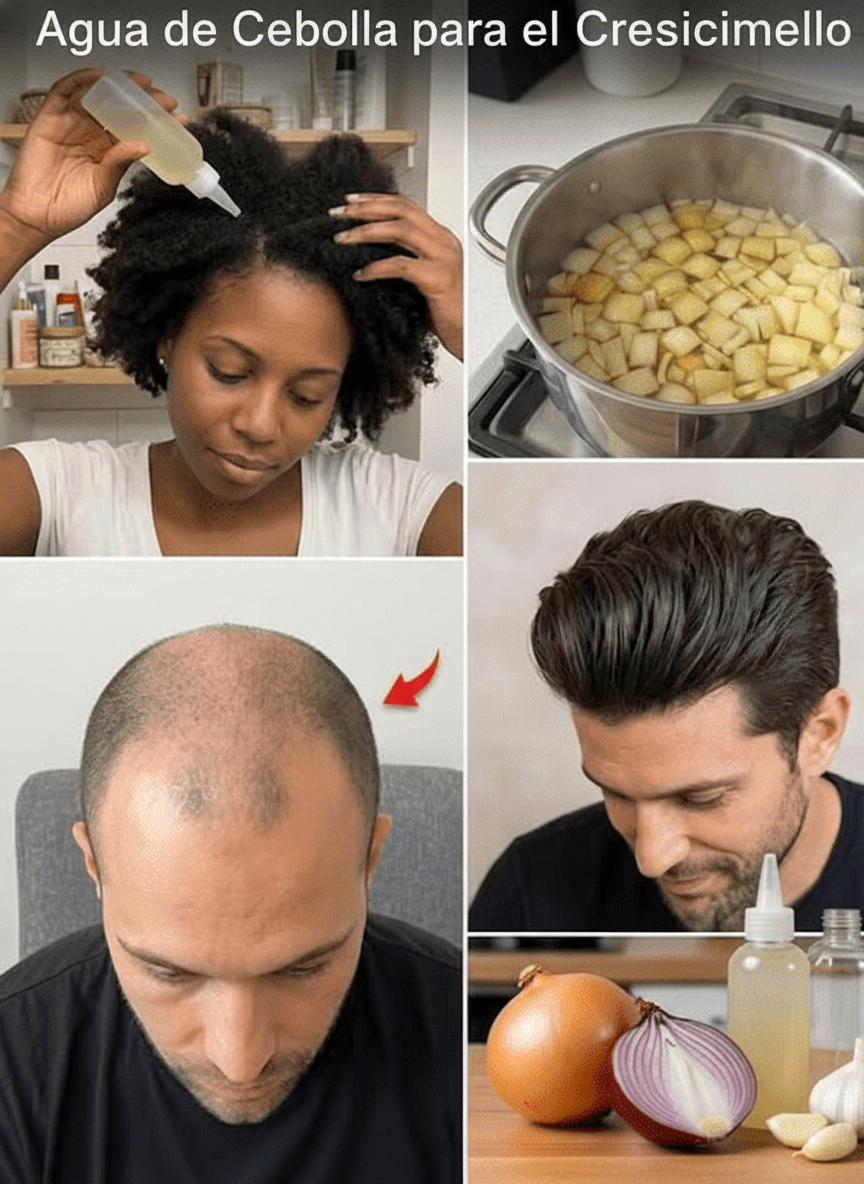
Recommended Application
- Dispense a small amount of onion oil onto your fingertips.
- Gently massage it into your scalp using circular motions for approximately 5 minutes, stimulating circulation.
- Allow the oil to penetrate for 30 to 45 minutes.
- Rinse thoroughly with a mild, sulfate-free shampoo.
For best results, consider these frequencies:
- Twice weekly for normal hair types.
- Once weekly for those with an oily scalp.
Patience is crucial. Hair growth is a gradual process, and noticeable improvements in texture or reduced shedding typically emerge after several weeks of consistent use.
Pitfalls to Avoid for Healthier Hair
Unintended errors in hair care can inadvertently exacerbate scalp issues. These seemingly minor habits sometimes cause more harm than the initial hair concern. Be mindful of these common mistakes:
Key Mistakes to Avoid
- Applying excessively hot oil directly to the scalp.
- Leaving undiluted onion juice on the scalp overnight.
- Aggressively scratching or scrubbing the scalp.
- Washing hair with scorching hot water.
- Harboring unrealistic expectations for immediate results.
It’s important to remember that hair health is a complex interplay of diet, stress levels, sleep quality, and hormonal balance. No single ingredient offers a universal cure. However, adopting better scalp care practices can significantly foster a more conducive environment for healthy hair growth.
Homemade Onion Oil Versus Commercial Hair Products
A common question arises: are natural oils superior to commercial hair care products? The answer isn’t always straightforward. Here’s a comparative overview:
| Feature | Homemade Onion Infused Oil | Store-Bought Hair Products |
|---|---|---|
| Ingredients | Simple, natural kitchen staples | Often contain synthetic preservatives, fragrances, and chemicals |
| Cost | Generally very low | Can range from affordable to premium-priced |
| Control | Full control over ingredient quality and concentration | Fixed, standardized formulas |
| Convenience | Requires initial preparation time | Ready for immediate use |
| Results | Highly individual; efficacy varies per person | Varies significantly based on product formulation and individual hair type |
Ultimately, the choice between homemade oils and commercial serums depends on personal preference. Some gravitate towards the purity and simplicity of DIY solutions, while others prioritize the convenience and specialized formulations of store-bought options. Both approaches have their merits in a comprehensive hair care regimen.