 By admin
 Warning: How to Safely Identify and Treat Insect Bites
You’re enjoying the fresh morning air in your garden when suddenly, a sharp pain pierces your skin. You can’t immediately tell what kind of insect bit you, but one thing is clear: it’s an uncomfortable experience. Insect bites can lead to swelling, unbearable itching, and even more serious health issues. So, how can you identify and effectively treat these unwelcome encounters? The answers you need are right here.
1. Common Insect Bites and Their Treatment
When an insect bite occurs, identifying the culprit is crucial. For older individuals, whose immune systems may not be as robust, understanding how to recognize common insects and treat their bites correctly is especially important. Here are some common insects and how to identify their bites.
Bee Sting
Bee stings typically occur when the bee feels threatened. A bee sting usually leaves a red, swollen circular mark and can cause intense pain. If not treated promptly, it might trigger an allergic reaction.
Treatment:
- Quickly remove the stinger.
- Clean the wound with soap and water.
- Apply ice to alleviate pain and swelling.
- Seek immediate medical attention if symptoms like fever, difficulty breathing, or increased swelling occur.
Ant Bite
Ants will bite if you accidentally disturb their nest. Ant bites cause red, swollen skin and a stinging sensation.
Treatment:
- Clean the wound with soap and water, then apply hydrocortisone cream to reduce itching.
- Use ice to help reduce swelling.
- Avoid scratching to prevent infection.
Mosquito Bite
Mosquito bites are not only itchy and painful but can also transmit pathogens. After a mosquito bite, a red, itchy, circular mark typically appears.
Treatment:
- Use an anti-itch cream or hydrocortisone cream to relieve itching.
- Avoid scratching to prevent infection.
- Use mosquito repellent in the future to reduce the chance of bites.
2. What to Do When Dangerous Signs Appear
Some insect bites can lead to serious health problems. Especially for older individuals, prompt treatment of these bites can significantly reduce risks. Here are some bite signs that require particular attention.
Spider Bite
Spider bites usually leave a red, swollen wound, which may be accompanied by severe pain and sometimes develop into an ulcer.
Treatment:
- Wash the bite area with soap and water and apply an anti-inflammatory ointment.
- Seek medical attention promptly if you experience fever or unusual symptoms.
Tick Bite
Ticks often hide in bushes or tall grass and attach to your skin unnoticed. A tick bite can cause redness and swelling and may transmit diseases like Lyme disease.
Treatment:
- Carefully remove the tick using tweezers.
- Clean the wound with soap and water and monitor for symptoms such as fever or rash.
Scorpion Sting
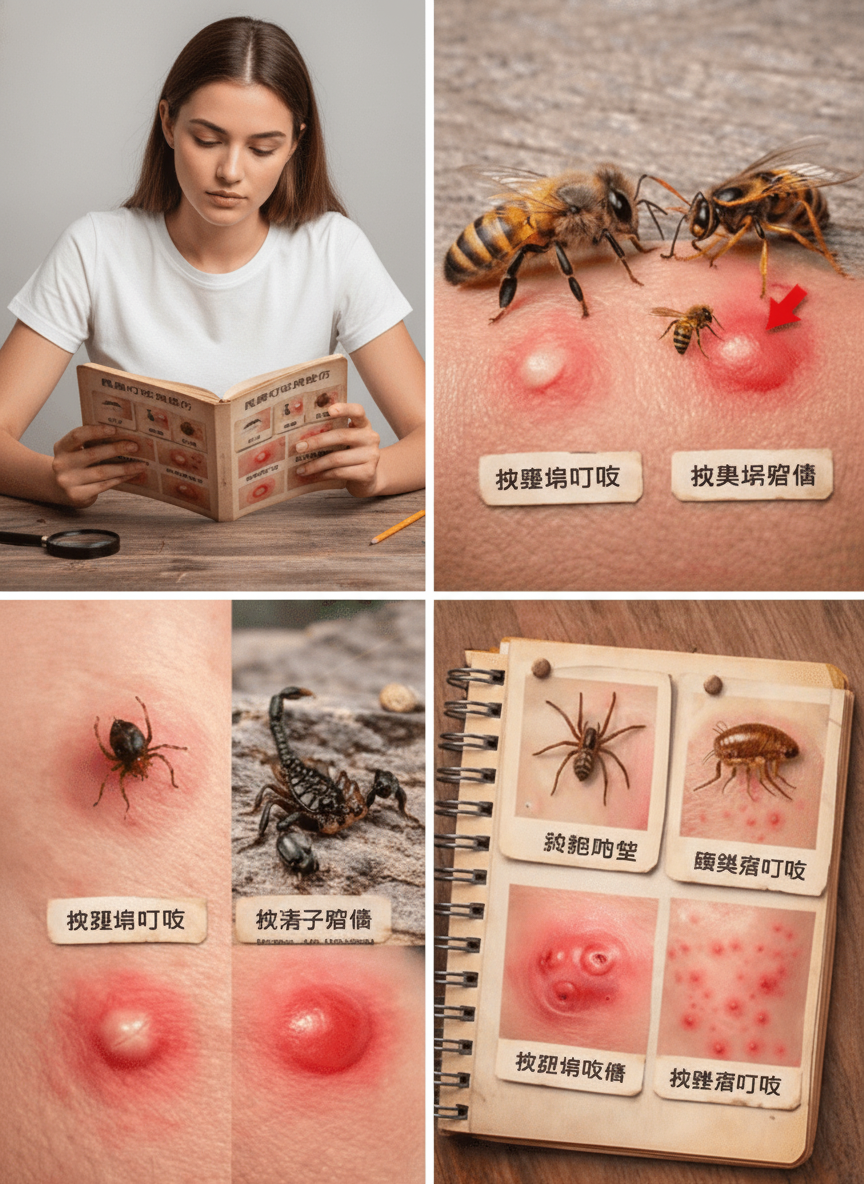
A scorpion sting can cause severe pain, redness, swelling, and sometimes symptoms like chest pain or difficulty breathing.
Treatment:
- Clean the wound with water and use ice to help relieve pain.
- If severe symptoms occur, seek immediate medical attention.
3. Effective Methods to Prevent Insect Bites
While we can’t avoid all contact with insects, we can reduce the chances of being bitten through the following methods.
Prevention Measures:
- Use Insect Repellent: When outdoors, especially in areas with trees or water, use insect repellent to prevent mosquito bites.
- Wear Protective Clothing: If you’re heading to areas with a high insect population, wear long-sleeved shirts and long pants.
- Avoid Insect Nests: When you discover insect nests, especially those of bees and ants, avoid approaching them.
4. Frequently Asked Questions (FAQ)
-
Are insect bites dangerous?
Most insect bites are not dangerous, but some can cause allergic reactions or infections, requiring timely treatment.
-
Why do insect bites itch?
Insect bites activate an immune response, releasing histamine, which is the primary cause of itching and redness.
-
How can I avoid insect bites?
Using insect repellent, wearing protective clothing, and avoiding insect nests are effective prevention methods.
Conclusion
Understanding how to identify and treat insect bites is crucial for preventing unnecessary health risks. Staying calm and taking the correct treatment steps will help you avoid these unwanted troubles.
Disclaimer: This article is for informational purposes only and does not replace professional medical advice. In case of severe symptoms, please seek immediate medical attention.
”
}
“`