 By admin
 11 Life-Changing Ways to Maintain a Healthy Colon?
Imagine this: you’re at a family gathering, and suddenly, that uncomfortable abdominal discomfort strikes. You rush to the bathroom, face flushed with embarrassment, as everyone stares. It’s a moment many of us have experienced, but few talk about. The good news? Simple daily habits can help keep your colon in optimal condition. And here’s the exciting part: some of these solutions might already be in your kitchen… keep reading, because by the end, I’ll reveal a secret most people overlook.
1. Stay Consistently Hydrated 💧
Why it matters:
Lack of water forces your intestines to work harder, leading to constipation and waste buildup.
Practical tips:
- Drink at least 8 glasses of water daily.
- Start your day with warm water and lemon to kickstart digestion.
- Unsweetened herbal teas also count.
2. Eat More Fiber 🍎
Why it matters:
Fiber cleanses the colon, aids intestinal transit, and balances good bacteria.
Fiber sources:
- Fruits like apples, pears, plums.
- Leafy green and cruciferous vegetables.
- Oats, flaxseed, and chia seeds.
Quick Fiber Comparison:
| Food | Fiber (g/100g) | Additional Benefit |
|---|---|---|
| Plum | 7 | Natural laxative |
| Oats | 10 | Lowers cholesterol |
| Spinach | 2.2 | Rich in antioxidants |
3. Avoid Highly Processed Foods 🚫
What you need to know:
Fast food, processed meats, and fried items overload your colon with waste, hindering digestion.
Practical tips:
- Cook at home whenever possible.
- Prioritize fresh, natural foods.
- Reduce excessive sugar and salt.
4. Include Probiotics and Prebiotics 🥛
How they help:
They maintain a balanced gut microbiota, crucial for a healthy colon.
Simple options:
- Probiotics: Natural yogurt, kefir, sauerkraut, miso.
- Prebiotics: Bananas, garlic, onions, artichokes.
5. Daily Movement 🏃
Why it works:
Physical activity improves intestinal motility, prevents constipation, and reduces inflammation.
Suggestions:
- Walk 30 minutes daily.
- Practice gentle yoga or stretching.
- Engage in light activities after meals.
6. Manage Stress 🧘
Impact on your colon:
Chronic stress can disrupt intestinal function and cause inflammation.
Strategies:
- Practice deep breathing for 5 minutes daily.
- Meditate or take outdoor walks.
- Avoid eating when highly stressed.
7. Eat Slowly and Chew Thoroughly 🍽️
Why it matters:
Digestion begins in the mouth. Eating too quickly can lead to gas and intestinal overload.
Tip:
Put your fork down between bites and savor each flavor.
8. Limit Excessive Alcohol and Caffeine ☕🍷
Negative effects:
They can irritate the intestinal lining and dehydrate you, complicating bowel movements.
Recommendation:
Drink in moderation. Alternate with water or natural infusions.
9. Avoid Prolonged Sedentarism 🛋️
The silent danger:
Sitting for long hours slows intestinal transit and promotes inflammation.
Advice:
- Stand up every hour, even if just for 2-3 minutes.
- Do gentle exercises at home if you work at a computer.
10. Schedule Regular Check-ups 🩺
Importance:
Even if you feel fine, a check-up can detect problems early.
Recommendation:
Consult a trusted doctor and undergo preventive screenings based on your age.
11. Drink Natural Infusions for Gut Support 🌿
Practical example:
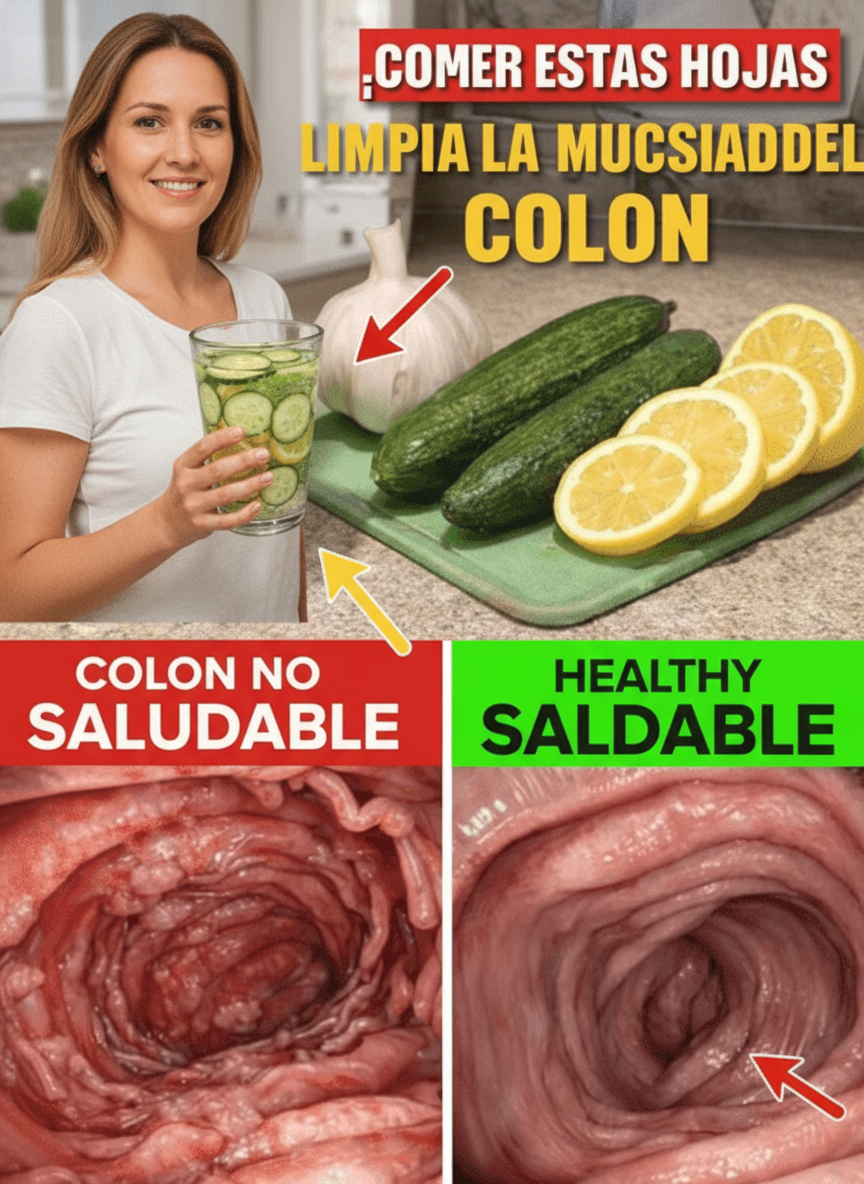
Water with cucumber, lemon, and fresh leaves (like mint) helps move digestion and provides freshness.
Step-by-step preparation:
- Fill a large glass with water.
- Add slices of cucumber and lemon.
- Incorporate a few mint leaves.
- Let it steep for 5-10 minutes before drinking.
This is the little secret many overlook: such a simple habit can make a significant difference when combined with the other 10 tips.
Frequently Asked Questions (FAQ)
1. Can I cleanse my colon solely with juices or infusions?
No. Natural drinks help, but daily habits – diet, exercise, and fiber – are most important.
2. Is it necessary to take probiotic supplements?
Only if your diet doesn’t regularly include fermented foods. Consult a professional.
3. How often should I have my colon checked by a doctor?
It depends on your age and family history. Generally, preventive screenings are recommended starting at age 50, or earlier if persistent symptoms occur.
Disclaimer: This information is for educational purposes only and does not substitute consultation with a healthcare professional. Always consult your doctor before making significant changes to your diet or lifestyle.